






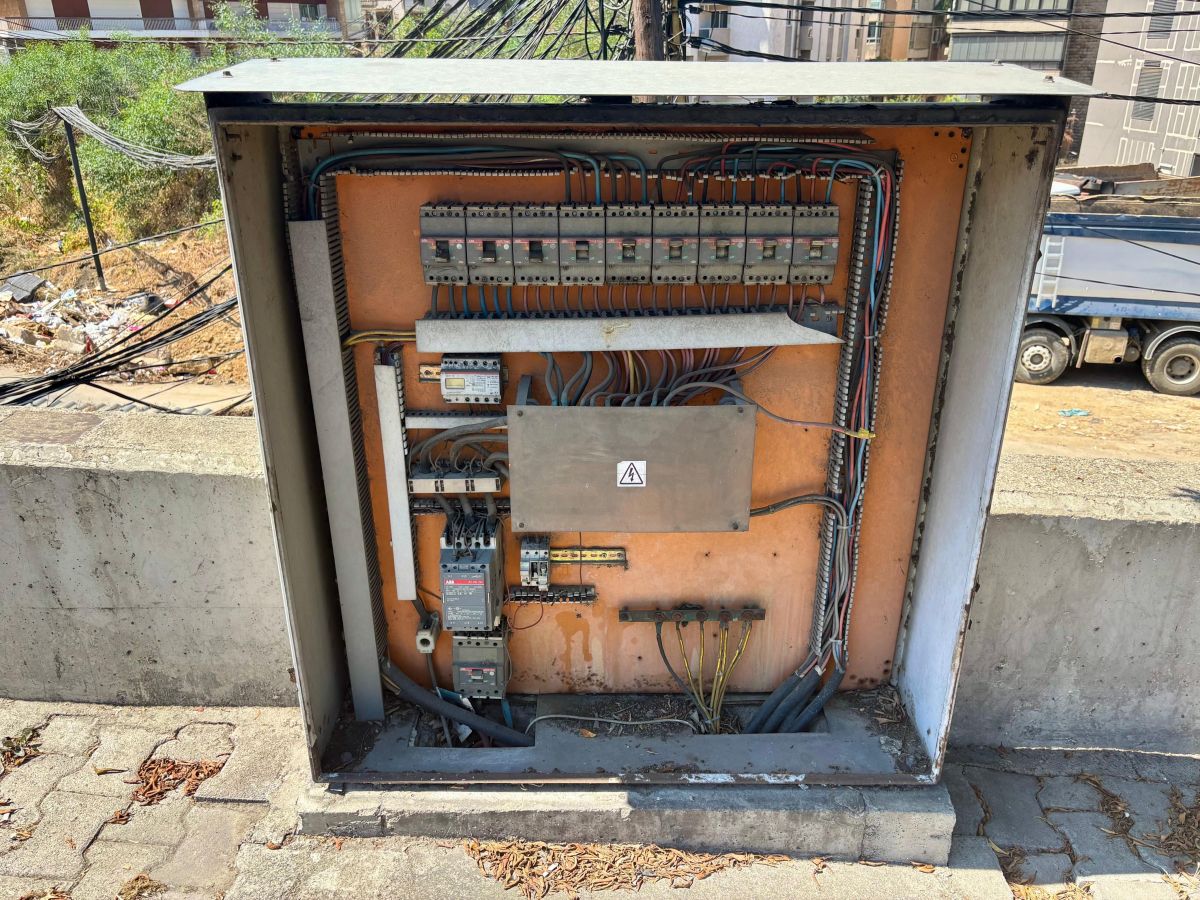
An electrical distribution substation in Hazmieh on June 22, 2026. (Credit: Illustrative photo by Philippe Hage Boutros/L'Orient-Le Jour)






Private generator rates that supply power during rationing hours by Electricité du Liban (EDL) have dropped for the second consecutive month, following a sharp increase that reflected the soaring oil prices in the wake of the war triggered by the United States and Israel against Iran and spillover in the region.
According to the new rates set by the Energy and Water Ministry, generator operators must charge 41,973 Lebanese liras (0.48 cents) per kilowatt-hour of consumption in June, as measured by the individual meters they are required to install, unless the subscriber has waived it.
This rate is down by 4,319 liras (almost 0.05 cents), or 9.3% — a significant decrease at a time when rising temperatures at the start of summer are prompting individuals and businesses to run their air conditioners more. However, it still remains substantially higher (+39%) than the 30,244 liras or 0.34 cents per kWh on February bills, just before the start of the regional war.
There is no change in other billing terms: The price per kWh must still be increased by 10% in remote or sparsely populated areas, fixed fees remain the same — 385,000 liras ($4.29) for a monthly 5-ampere (A) plan; 685,000 liras ($7.64) for 10 A; and an additional 300,000 liras ($3.34) for every extra 5 A increment—and an installation connected to a three-phase meter must not be billed three times.
The Ministry has set an exchange rate of 89,700 liras for one dollar (unchanged) and a diesel canister at an average price of 1,982,753 liras ($22.1), a drop of 14%. According to fuel tariffs published by the Ministry in a separate schedule, the dollar price of a kiloliter of diesel fell from $1,140.67 at the end of May to $939.96 on Monday (-17.6%).
