






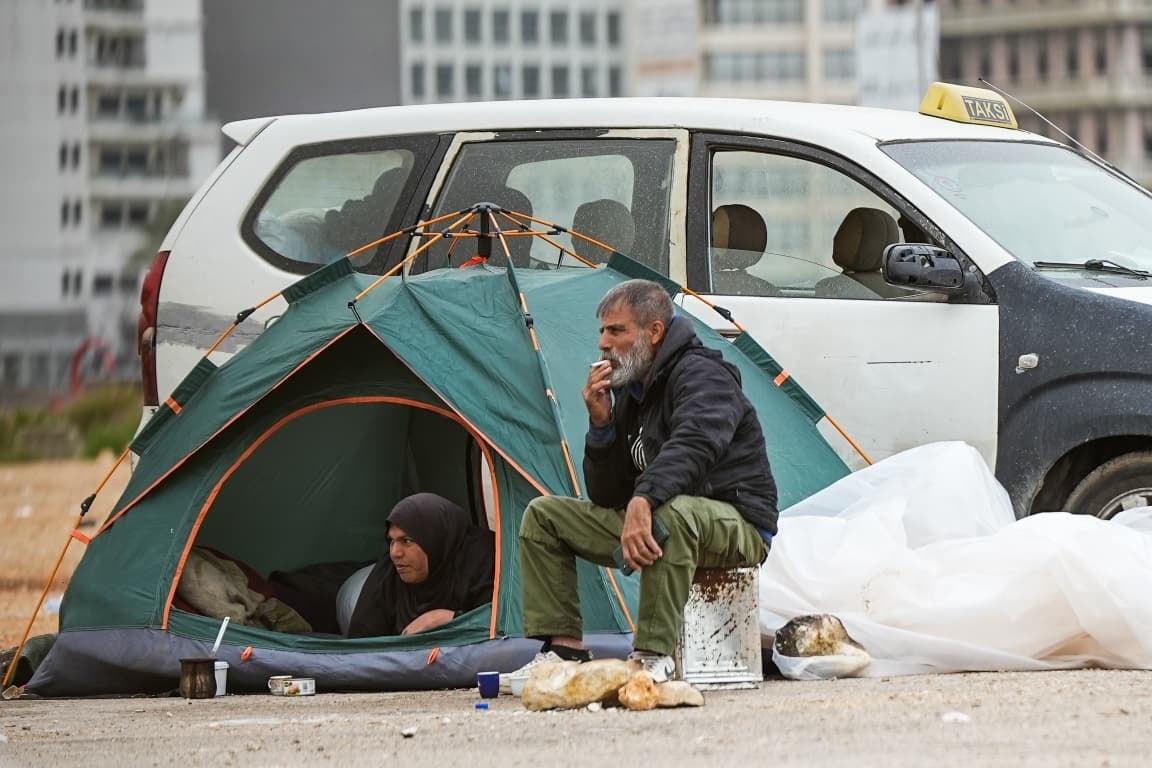
People forcibly displaced by Israel's relentless bombing campaign on southern Lebanon, the Bekaa, and Beirut's southern suburbs sleep on the street with little recourse to aid. (Credit: Mohammad Yassin/L'Orient Today)






BEIRUT — The UN World Food Programme (WFP) warned Monday that Lebanon is facing a deepening humanitarian emergency nearly three months into the conflict, as mass displacement and rising prices continue to put food beyond the reach of vulnerable households.
More than one million people remain displaced across the country, while soaring food and fuel prices, lost incomes and strained markets are worsening food insecurity nationwide, the agency said.
“Nearly three months into the conflict, Lebanon faces a deepening humanitarian emergency with a critical combination of displacement and increased food insecurity,” WFP said, warning that sustained access and predictable funding are needed to maintain assistance.
Since March 2, WFP said it has reached more than 700,000 conflict-affected people across Lebanon with emergency food and cash assistance, supporting nearly 150,000 people per day on average since the escalation began. Assistance has included hot meals, ready-to-eat rations and food parcels distributed to displaced families in shelters and host communities.
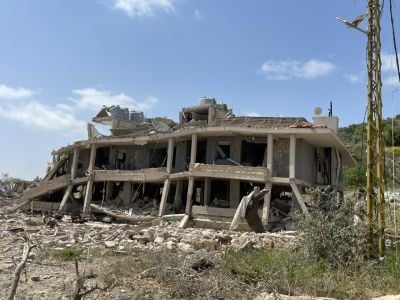
The agency said the ongoing conflict, marked by daily bombardments and displacement orders, continues to restrict humanitarian access, particularly in hard-to-reach areas. Of 24 humanitarian convoys dispatched to southern Lebanon — including to Sour, Hermel and border villages — more than half were delayed or cancelled due to security and movement constraints.
WFP added that it has provided emergency cash assistance to nearly half a million Lebanese through national systems, alongside support for more than 100,000 Syrian refugees.
Since the start of the crisis, it has distributed nearly five million hot meals and assisted more than 215,000 displaced people in over 500 shelters nationwide, as well as around 85,500 people in host communities and remote areas.
The agency’s latest analysis shows a sharp deterioration in food security, with 1.24 million people — nearly one in four — expected to face acute food insecurity between April and August 2026.
“While food remains available in many areas, it is becoming increasingly unaffordable,” WFP said, noting that vegetable prices have risen by more than 20 % and bread prices by around 15 % since the escalation began.
Market conditions vary widely across the country, it added. More than 80 % of markets in southern Lebanon and Nabatieh no longer functioning, while those in Beirut and other regions remain operational but under growing strain.
WFP said it requires $112 million between May and August 2026 to sustain emergency food and cash assistance, warning that without predictable funding its response could be at risk.

 Evening recap: Netanyahu announces West Bank offensive; 7 killed in Jordan church shooting; tents burned in south Lebanon
 US strike on Iran this weekend? ‘Absolutely,’ says Barrack; ‘I have no idea,’ says Trump