


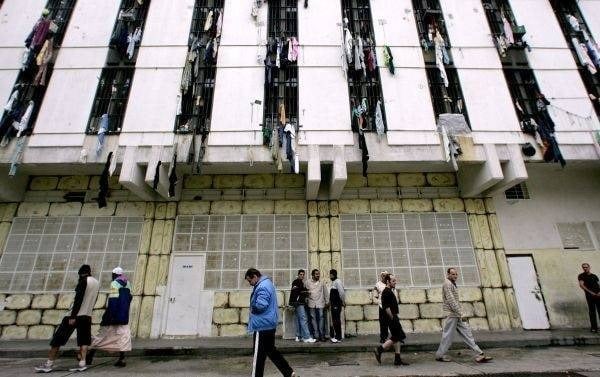
The courtyard of Roumieh prison. (Credit: Archive photo Ramzi Haidar/AFP)






BEIRUT — The families of Lebanese Army soldiers killed in the 2013 Abra clashes addressed an open letter to President Joseph Aoun on Sunday, urging him not to include those who killed the soldiers in the General Amnesty law that the Lebanese authorities are currently studying, according to local media outlets.
The clashes, which took place between the army and a Salafist group led by Sheikh Ahmad al-Assir in June 2013, left 29 dead, including 18 soldiers, in Abra, near the city of Saida.
"Any amnesty law in its current proposed form, which includes convicted individuals involved in crimes against the Lebanese Army and the killing of its soldiers, would effectively lead to the release of the killers of the Army’s martyrs," reads the statement. The families called on Aoun to use his constitutional powers to "reject any law that infringes upon the rights of the martyrs of the military institution or leads to the release of their killers."
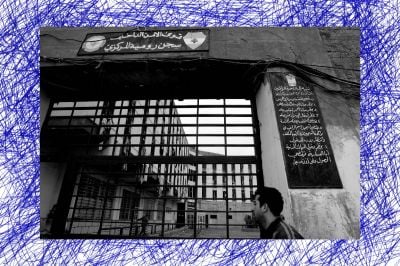
The General Amnesty law has sparked debates between political parties recently, leading to the postponement of a previous meeting due to disagreements over who should be included in the amnesty.
The families of the Lebanese Army soldiers killed said that they made more than three attempts over the past three months to obtain an official appointment to visit the Baabda Presidential Palace to present their concerns, but were not able to secure the meeting, which led them to address the President with an open letter.
Referring to the arrest of Assir and others following the clashes, the families said: "The judicial rulings issued by the Lebanese judiciary are not a game in the hands of populists and promoters of sectarianism and power-sharing politics."
"These bloods are not a political detail, nor a negotiable or tradable card under any internal or regional circumstances," they added.
They also noted that "any settlement made at the expense of the blood of the army’s martyrs would constitute a dangerous precedent that undermines the concept of justice, threatens trust in the state, and opens the door to repeated attacks on the military institution without deterrence."
Still, they affirmed their support for "any legal and humanitarian approach aimed at addressing prison conditions and expediting trials, based on the principle of justice and accountability."
The debate over general amnesty in Lebanon remains deeply sectarian, with each community tending to view detainees, collaborators and war crimes through the lens of their own historical experiences, political alliances, and collective grievances, seeking amnesty for different categories of detainees, much to the dismay of others.

 7 p.m. recap: 1 person killed near border with Lebanon; 200 kilos of explosives carried by mules; Riyadh shuts its airspace