






F-15SA fighter jets are seen during a graduation ceremony and air show marking the 50th anniversary of the founding of King Faisal Air College in Riyadh, Saudi Arabia, Jan. 25, 2017. (Credit: Faisal Al Nasser/Reuters)






BEIRUT — Saudi Arabia conducted a series of strikes on Iran that it has not publicly acknowledged, in response to attacks carried out against the kingdom during the Middle East war, according to two Western officials familiar with the matter and two Iranian officials who spoke to Reuters.
These previously undisclosed attacks mark the kingdom’s first known direct military action on Iranian soil. According to the two Western officials, the strikes were launched by the Saudi air force at the end of March. One of the officials described them as "tit-for-tat strikes in retaliation for when Saudi [Arabia] was hit." Reuters was unable to independently verify the targets.
A senior official from the Saudi Foreign Ministry did not directly confirm that these strikes had taken place. Iran's Foreign Ministry did not respond to a request for comment. Saudi Arabia, which maintains a close military ties with the United States, has traditionally relied on the U.S. military for its protection. But the 10-week war exposed the kingdom to attacks that penetrated its air defense.
Gulf states begin to strike back
The Saudi strikes underscore the scale of the regional war, which began with Israeli and U.S. strikes on Iran on Feb. 28, and how it drew the entire region in, even if Gulf countries's have not been publicly acknowledged their involvement.
The United Arab Emirates also reportedly carried out military strikes against Iran, according to the Wall Street Journal on Monday. The U.S. media Axios reported that Qatar also carried out attacks.
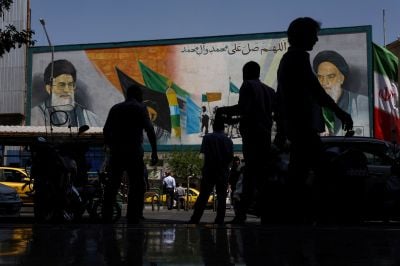
Since the U.S. and Israeli strikes, Iran has retaliated by firing missiles and drones at all six members of the Gulf Cooperation Council, targeting not only U.S. military bases but also airports, oil infrastructure, and civilian infrastructure. Tehran has closed the Strait of Hormuz, disrupting global trade.
Because the Red Sea has remained open to commercial shipping, Saudi Arabia has been able to continue exporting oil throughout the conflict and has been less affected than its Gulf neighbors.
Longtime rivals Iran and Saudi Arabia — the Middle East's leading Shiite and Sunni powers respectively — have backed opposing sides in several regional conflicts. A China-brokered detente in 2023 led to the restoration of diplomatic relations, helped in part by a cease-fire between the Iran-backed Houthis in Yemen and Saudi Arabia that has since held.
Rising tensions then a decline in Iranian strikes
The Saudi retaliation followed several weeks of escalating tensions.
At a press conference in Riyadh on March 19, Saudi Foreign Minister Prince Faisal bin Farhan Al Saud said the kingdom "reserves the right to take military action if necessary." Three days later, Saudi Arabia declared Iran’s military attaché and four embassy staff persona non grata.
By the end of March, however, diplomatic contacts and the Saudi threats to respond more forcefully — similar to that of the United Arab Emirates — led to a de-escalation agreement, according to Western officials.
A Reuters tally based on Saudi Defense Ministry statements showed that the number of missile and drone attacks on Saudi Arabia dropped from more than 105 during the week of March 25–31 to just over 25 between April 1 and 6.
According to Western sources, the projectiles launched in the days preceding the cease-fire originated from Iraq rather than directly from Iran, suggesting that Tehran reduced its direct attacks while allied groups continued operations.
Contacts between Riyadh and Tehran continued even as tensions resurfaced at the beginning of the broader cease-fire between Iran and the United States. Saudi Arabia's Defense Ministry reported 31 drones and 16 missiles were launched at the kingdom on April 7 and 8.
