






President Joseph Aoun entering the Baabda Palace on the day of his election, Jan. 9, 2025. (Credit: Mohammad Yassine/L'OLJ)






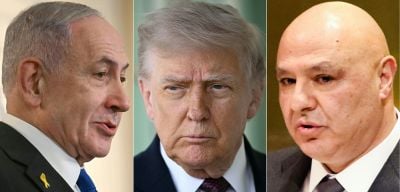
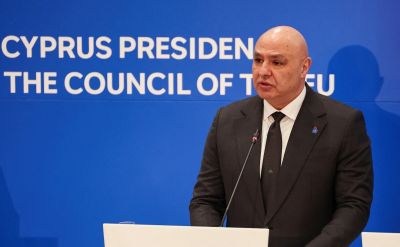
BEIRUT — President Joseph Aoun said Monday that a security agreement with Israel must precede any meeting with Israeli Prime Minister Benjamin Netanyahu, describing the timing for such an encounter as “not appropriate,” according to a statement from the presidency.
“We must first reach a security agreement” and secure “an end to Israeli aggressions” against Lebanon, Aoun said, without explicitly ruling out a future meeting.
His remarks come as multiple proposals are being discussed among Lebanon, the United States, Arab and Western countries, and Israel to avoid such a meeting, initially sought by U.S. President Donald Trump.
According to an official Lebanese source, an emerging international — particularly American — consensus holds that a meeting could trigger internal unrest and a political crisis, as Israeli operations continue in southern Lebanon.
'No turning back'
Dismissing criticism from Hezbollah, Aoun said he is “ready to accelerate the pace of negotiations” with Israel alongside U.S. efforts, adding that “there is no turning back in this process, because we have no other option.”
He spoke after meeting MP Sethrida Geagea, representing the Lebanese Forces bloc.
Aoun said a third meeting between Lebanese and Israeli representatives at the ambassadorial level is expected to take place in Washington “in the coming days,” following two preparatory meetings in April aimed at setting a framework for rare direct talks between Beirut and Tel Aviv.
“This is an important advancement for Lebanon, which is receiving personal attention from President Donald Trump,” Aoun said. “It is a major opportunity that we must seize.”
He said the negotiations aim to secure “Israel’s withdrawal from occupied Lebanese territories and the release of prisoners — rights Lebanon has long demanded.”
Aoun added that he had clarified Lebanon’s official position in recent diplomatic meetings to “remove any ambiguity,” in an apparent reference to criticism over the state’s inaction on Hezbollah’s disarmament.
Contact with Berri
Aoun said communication with Parliament Speaker Nabih Berri, a Hezbollah ally, “has been maintained and never interrupted.”
He added that Berri “shares the pain and sadness of all Lebanese over the human and material losses,” particularly in the South.
Berri, who met U.S. Ambassador to Lebanon Michel Issa on Monday, reiterated his opposition to direct negotiations before a full cease-fire and firm guarantees of an Israeli withdrawal.
Aoun said the negotiations “serve the interests of all Lebanese and do not target any specific group.”
“Suffering affects everyone without exception, and the Lebanese are tired of wars and their catastrophic consequences,” he said.
Israeli attacks have killed over 2,696 people and wounded over 8,264 people in Lebanon since March 2.
Call for unity
Aoun said the situation remains “delicate” and requires strengthening national unity.
“All the negative and fabricated talk about alleged discord in Lebanon has no basis,” he said.
He added that he would not respond to “unfair attacks and criticism,” without elaborating. Aoun has faced criticism from Hezbollah circles since taking over the negotiations file in April.
The comments also follow recent tensions sparked by caricatures of Hezbollah leader Naim Qassem aired by local broadcaster LBCI, which prompted backlash from Hezbollah supporters, including criticism of Maronite Patriarch Bechara Rai.
“The most important thing Lebanese parties can do is rally around the army, security services, and state institutions,” Aoun said.
He later met with Army Commander Rodolph Haykal. The two reviewed the security situation across Lebanon, particularly in the South, where Israeli strikes have intensified in recent days, especially in the Nabatieh district.
They also discussed the army’s operations to maintain security and stability nationwide, according to the presidency.
Earlier Monday, the army said it had arrested a suspected gunman and seized weapons after heavy gunfire and rocket-propelled grenades were fired during a funeral procession a day earlier in Beirut’s southern suburbs.

 8 p.m. recap: Israel again threatens Beirut’s south suburbs; 2 ships hit near Hormuz; Riyadh football matches canceled