







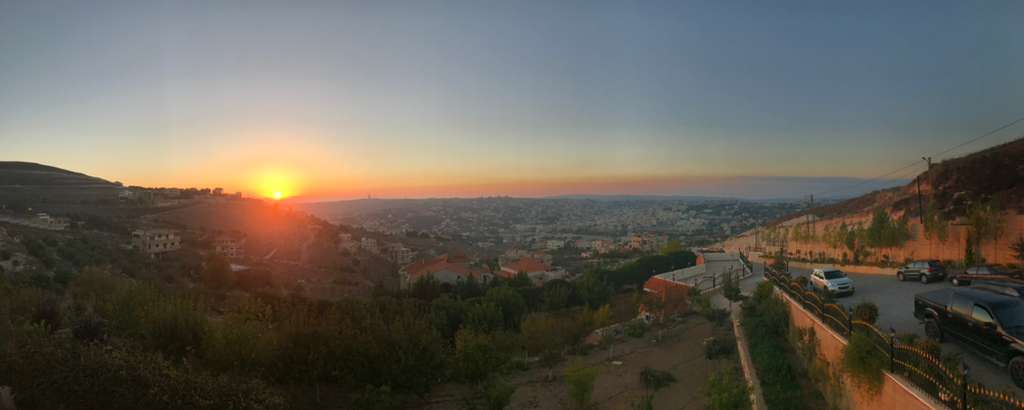
The town of Bint Jbeil in 2021. (Credit: Photo sent by Suheila Amen to L'Orient Today)






From his home in Baghdad, 25-year-old journalist Mohammad Bazzi has spent the past week glued to his phone, scrolling through Instagram, X, and TikTok to follow developments in Bint Jbeil.
This week, the Israeli military launched a ground offensive on Bint Jbeil, a strategically important town located less than four kilometers from the border, which had withstood Israeli attempts to capture it in both 2006 and 2024. With a population of nearly 30,000, Bint Jbeil holds historical significance as the place where Hassan Nasrallah delivered his renowned “victory speech” following Israel’s unilateral withdrawal from southern Lebanon in 2000, cementing the town’s reputation as the “capital of the resistance.”
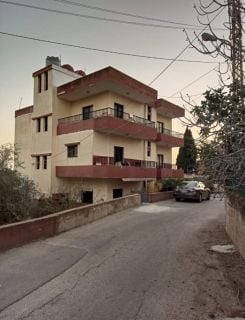
Born and raised there until leaving for university at 17, Bazzi had been holding onto one fragile certainty: that his family home — the last physical trace of his late mother — remained intact. On Tuesday, that certainty collapsed. After paying $450 to access an online satellite map, he discovered that his house had been destroyed.
“I immediately went to the hospital and was put on an IV,” he said. Although losing the house he grew up in was devastating, the rest of the town also holds deeply cherished memories.
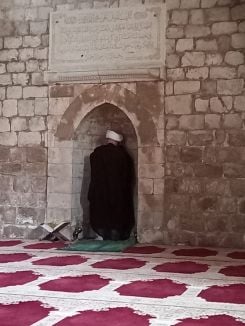
“Years of Friday prayers at the town’s mosque, which is now destroyed; the sweetness of a cup of tea shared at sunset with any passerby invited in, with a large kettle always ready just in case; walks through the town as goats grazed; and that strong sense of community,” he told L’Orient Today.
“The laughter at Souk al-Khamis,” he added, referring to the traditional market held in the town every Thursday for decades, where vendors sold produce, spices, clothing, and food, and where relatives and friends would gather weekly.
“We grew up under Bint Jbeil’s sky, and the image of the town before its destruction remains engraved in my heart.”
'Kazdara and arguileh nights'
Halfway across the world, in Michigan in the United States, Mohamad Ali Taha — originally from Nabatieh but who spent summers in Bint Jbeil with his mother’s family — is closely following the situation in the news, waiting for updates from the town he holds dear.
For him, Bint Jbeil is synonymous with “kazdara and arguileh nights,” he said with a laugh. “Kazdara” is a Levantine Arabic word meaning “to stroll,” a simple evening ritual in southern towns, especially before sunset, when life slows and people wander through the streets without urgency.
'The sunsets in Bint Jbeil were magical'
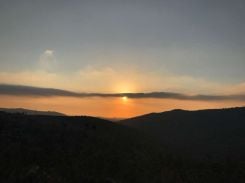
Suheila Amen, a Lebanese-American consultant and educator who lived in Bint Jbeil for a few years after moving from Michigan, said what she remembers most are the sunsets: “The sunsets in Bint Jbeil were magical.”
“It saddens me to see the souk demolished. I would walk through the streets of Bint Jbeil, taking in the sounds of vendors, shopkeepers, and the elderly—who would always stop to ask how you were doing, especially as a foreigner living there. There was a close sense of community, where everyone looked out for one another."
"Walking along the main road to Yaroun [Bint Jbeil], or through the streets near the old mosque, people would greet you from their balconies and invite you in for coffee … there was a deep sense of pride in their voices as they shared stories of their experiences in the village. I would often find myself drawn to the benches along the road to Yaroun — it gave me time to reflect, take in the magnificent views, and find some peace and comfort."
“To know that people are losing everything they have worked for and built, whether those who live full-time in Lebanon or those abroad with ties to the village, it is sickening to see the atrocities being committed.”