





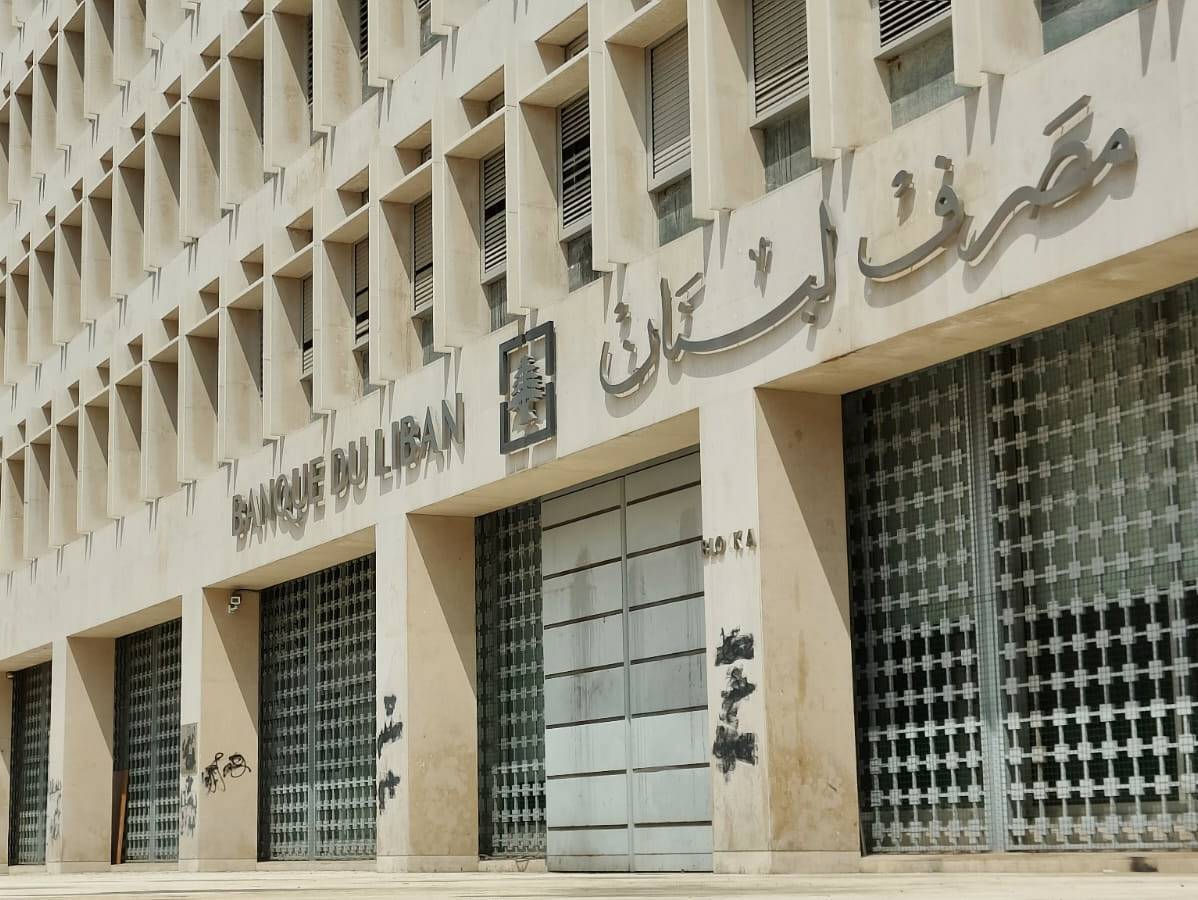
The headquarters of the central bank in Beirut. (Credit: Mohammad Yassin/L'Orient Today)






BEIRUT — Banque du Liban (BDL, central bank) issued a statement on Wednesday instructing banks operating in Lebanon not to refuse opening electoral campaign accounts for candidates running in the upcoming parliamentary elections.
The only exception applies in cases justified by anti-money laundering and counter-terrorism financing requirements, BDL’s announcement specified.
The measure aims to facilitate electoral procedures as the deadline for submitting candidacy applications approaches. It is not, however, legally binding, and some banks may choose not to comply, according to sources familiar with the matter.
A source at one Lebanese bank, who spoke to L’Orient Today on condition of anonymity, said their institution has refused to open such accounts since 2021.
“Opening accounts for politicians and politically exposed persons (PEPs) exposes banks to significant risks,” the source explained. These include potential money-laundering concerns, especially in Lebanon’s increasingly cash-based economy, and exposure to individuals under international sanctions.
The risks are compounded during election periods, the source added, when the origin of funds is often unclear. “You don’t know who will deposit the money, whether the candidate will act through intermediaries, or whether the account will be operated by proxy,” he said.
As a result, the bank has adopted a blanket policy of refusing to open any new campaign-related accounts. Existing accounts held by politicians, however, will remain open.
A second banking source said their institution never halted opening these accounts, but that they are subject to extended internal approval procedures. “The process takes time because of due diligence requirements,” they noted.
The additional compliance checks aim to ensure the legitimacy of funds, particularly as banking secrecy is also lifted for electoral campaign accounts.
Candidates or individuals subject to international sanctions are “categorically refused,” the source added.
Under standard practice, accounts must be closed once the electoral campaign ends. If Lebanon’s upcoming elections are postponed — a scenario that remains uncertain — the account remains active until a new election date is set, after which it is closed. Until then, any incoming transfers are subject to close monitoring and tracing, the source added.
Lebanon was placed on the Financial Action Task Force (FATF)’s “grey list” in October 2024 over shortcomings in combating money laundering and terrorist financing.

 7 p.m. recap: Iran warns Egypt, Israeli soldiers vote in south Lebanon, Haret Hreik responds to Kataeb