





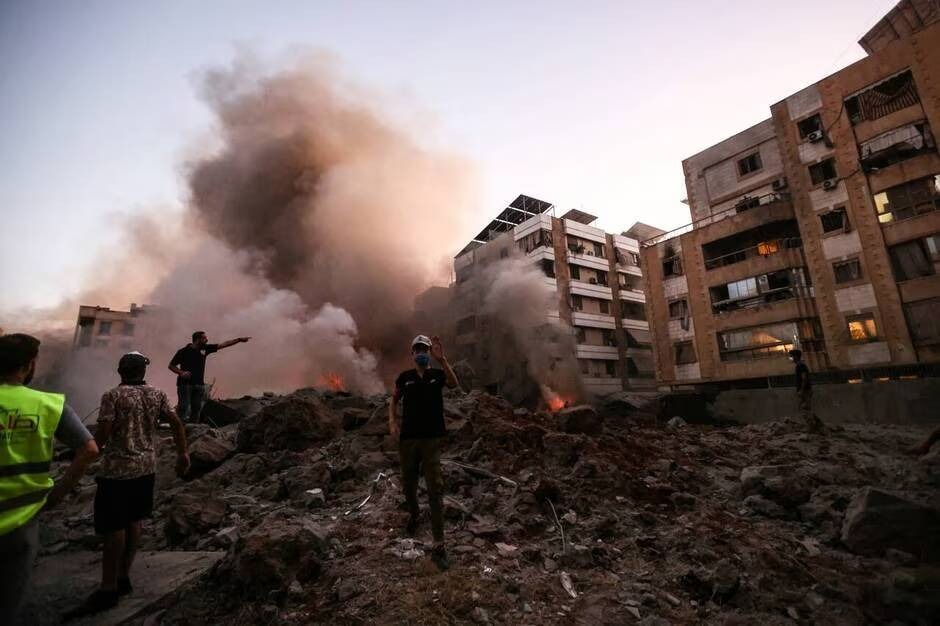
Rescuers intervene after one of the Israeli strikes on the southern suburb of Beirut, Friday, Sept. 27, 2024. (Credit: Ibrahim Amro/AFP)






In an article published Thursday evening, the Israeli daily Haaretz estimated that the elimination of former Hezbollah leader Hassan Nasrallah on Sept. 27, 2024, cost Israel $34 million, a figure calculated from financial data in shekels obtained from the general staff, the Israeli Ministry of Finance, or the Bank of Israel.
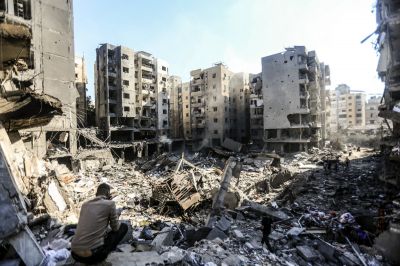
That day, Israeli fighter jets took off from the Hatzerim airbase in the afternoon, armed with at least 83 tons of bombs, which they then dropped on a complex of six buildings in the Haret Hreik neighborhood of Beirut’s southern suburbs, where Nasrallah was located.
To ensure the operation’s success, the military planes created a choke point in the neighborhood by dropping additional munitions to prevent rescue teams from reaching the site, Haaretz reports.
Of the $34 million, about "$6.8 million was spent on the munitions used during the strike itself, with the rest covering flight hours, fuel and additional munitions dropped to block access to the area," notes the newspaper.
On the same day, it reports, Hezbollah launched a missile attack in retaliation, requiring the use of interceptors at an extra cost of several tens of millions of shekels.
This operation thus marked the early days of a major Israeli offensive against Hezbollah in Lebanon, which was interrupted by a cease-fire reached at the end of November.
In the meantime, the Israeli army assassinated, using a similar method, Nasrallah's designated successor, Hashem Safieddine, on Oct. 3, 2024. Ultimately, Naim Qassem took over leadership of Hezbollah at the end of October 2024.
Putting a price on war
According to Haaretz, the decision to calculate the cost of the operation is part of a broader practice within the Israeli army.
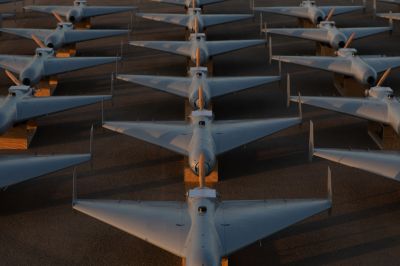
Over the past decade, during the 'campaign between the wars' in Syria, the financial adviser to the chief of staff's office began tallying the costs of different military missions, with the aim of presenting political leaders with the financial implications of exceptional or recurring operations — both to reflect their true cost and to determine the level of funding to request from the Ministry of Finance, the newspaper explains.
These calculations have, for example, shown that the overall cost of the war in Gaza is estimated at "about $60 billion, or $90 million per combat day." Similarly, each Israeli strike on the Houthis in Yemen is estimated at between $8 and $14 million.
The most expensive day of the war occurred at the beginning, shortly after the ground incursion into Gaza, with a bill of $350 million, Haaretz further indicates.
On that day, the army mobilized about 220,000 reservists, purchased equipment on a large scale, transported tanks, armored personnel carriers, and other vehicles and made heavy use of munitions, it specifies.
The total cost of Israel’s war, including civilian expenditures such as compensation to businesses, property damage, aid to evacuees, and financing costs, is estimated by the finance ministry at about $75 billion. The Bank of Israel, however, estimates the total cost at about $95 billion.
The newspaper explains the gap by "different calculation methods." The finance ministry bases its estimate on the change in the state’s budget deficit compared to pre-war expectations.
The Bank of Israel includes, among other factors, expected costs for 2026 — both military and civilian — such as installment payments for systems already purchased and interest extending into the following year. It also includes part of the American aid received by Israel to fund the war.

 Evening recap: Netanyahu announces West Bank offensive; 7 killed in Jordan church shooting; tents burned in south Lebanon
 US strike on Iran this weekend? ‘Absolutely,’ says Barrack; ‘I have no idea,’ says Trump