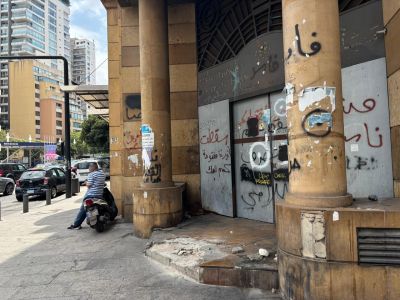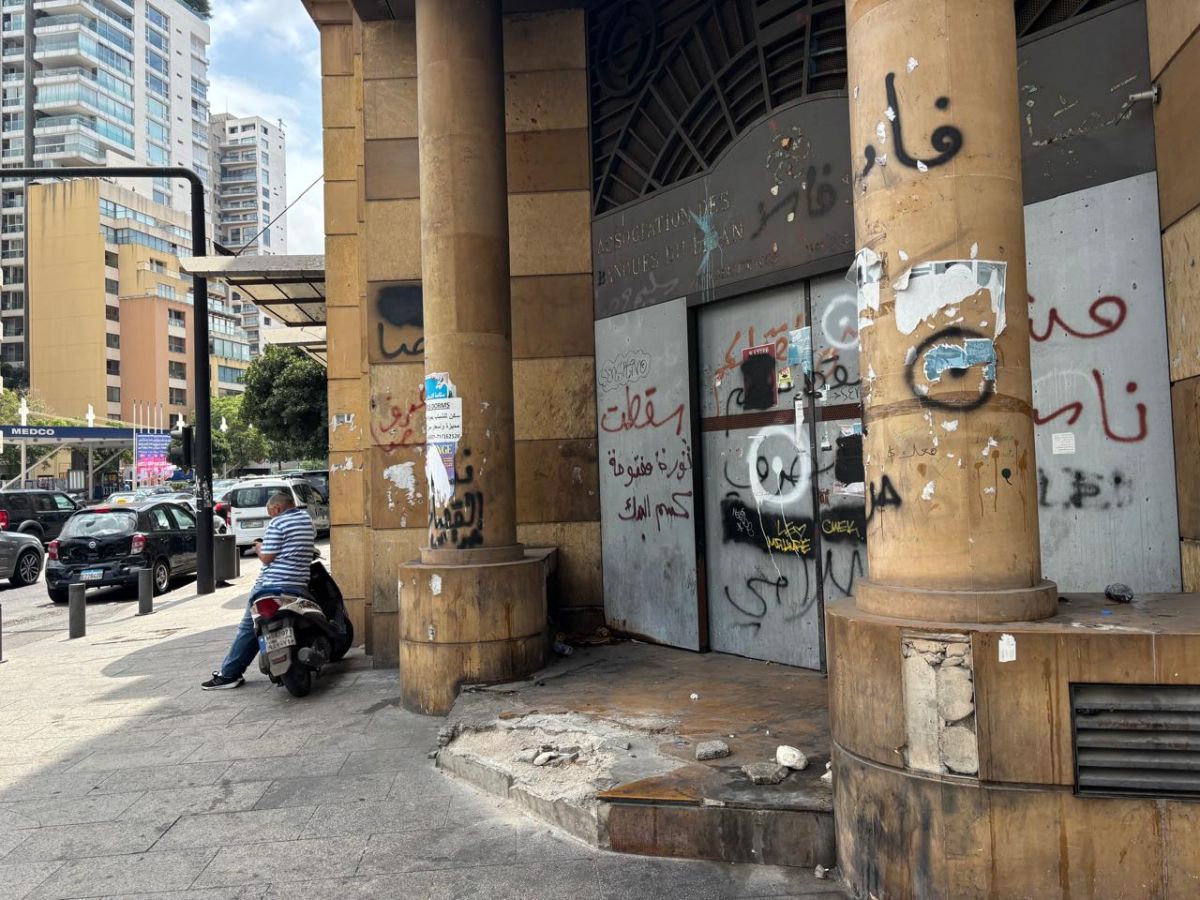
The entrance to the ABL headquarters in Beirut, Aug. 7, 2025. (Credit: Philippe Hage Boutros/L’Orient-Le Jour)






BEIRUT — The Association of Lebanese Banks (ABL) criticized on Monday the latest draft of a law on financial loss distribution that the government and Banque du Liban (BDL, central bank) are finalizing as part of the reforms required by the International Monetary Fund (IMF).
Finance Minister Yassine Jaber updated the IMF’s representative in Lebanon, Frederico Lima, on progress made on the draft during a meeting in Beirut, according to a statement from the Finance Ministry.
Since the onset of the financial crisis in 2019, the ABL and major depositors have opposed any plan that does not place most of the losses on the state and the central bank. The IMF, by contrast, has insisted that bank shareholders should be the first to absorb losses, followed by depositors and the state, in line with international standards.
In an open letter addressed “to Lebanese leaders and people in general and to depositors in particular,” the association criticized the ninth version of the draft law, which was recently leaked to the media and has reportedly since been revised.
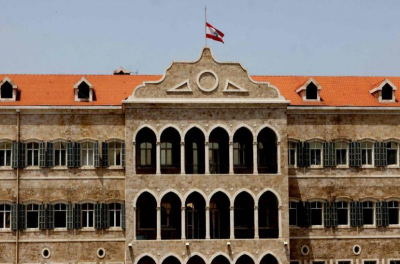
The association said the draft contains “serious deficiencies, both in substance and in wording,” warning that it includes provisions that could “seriously undermine the banking system and its viability while prolonging the economic recession.”
“It is unacceptable for the state to evade its responsibilities and shift them onto the banks, leading to the liquidation of the sector and depriving depositors of their right to recover their funds,” the letter said.

ABL also questioned who would bear depositors’ losses in the event of bank liquidations and argued that the draft’s approach contradicts repeated official statements asserting that rebuilding the banking sector is essential to Lebanon’s economic recovery and future growth.
The association said any loss distribution plan must require and enable BDL to return tens of billions of dollars in deposits it held at the start of the crisis, compel the state to recapitalize the central bank and restore confidence in the financial sector.
The draft law on “financial rehabilitation and deposit restitution,” commonly referred to as the “financial hole” law, is expected to be submitted to the Cabinet for approval before the end of the year, in line with repeated commitments by Prime Minister Nawaf Salam.
The issue was again discussed on Monday during the meeting between Jaber and Lima. The finance minister also presented proposals for establishing a medium-term budgetary framework to ensure fiscal sustainability and improve governance — another key IMF requirement.
According to several local media outlets citing anonymous financial sources, Salam is seeking to finalize a version of the loss distribution law that would be acceptable to the IMF within the next two days.