


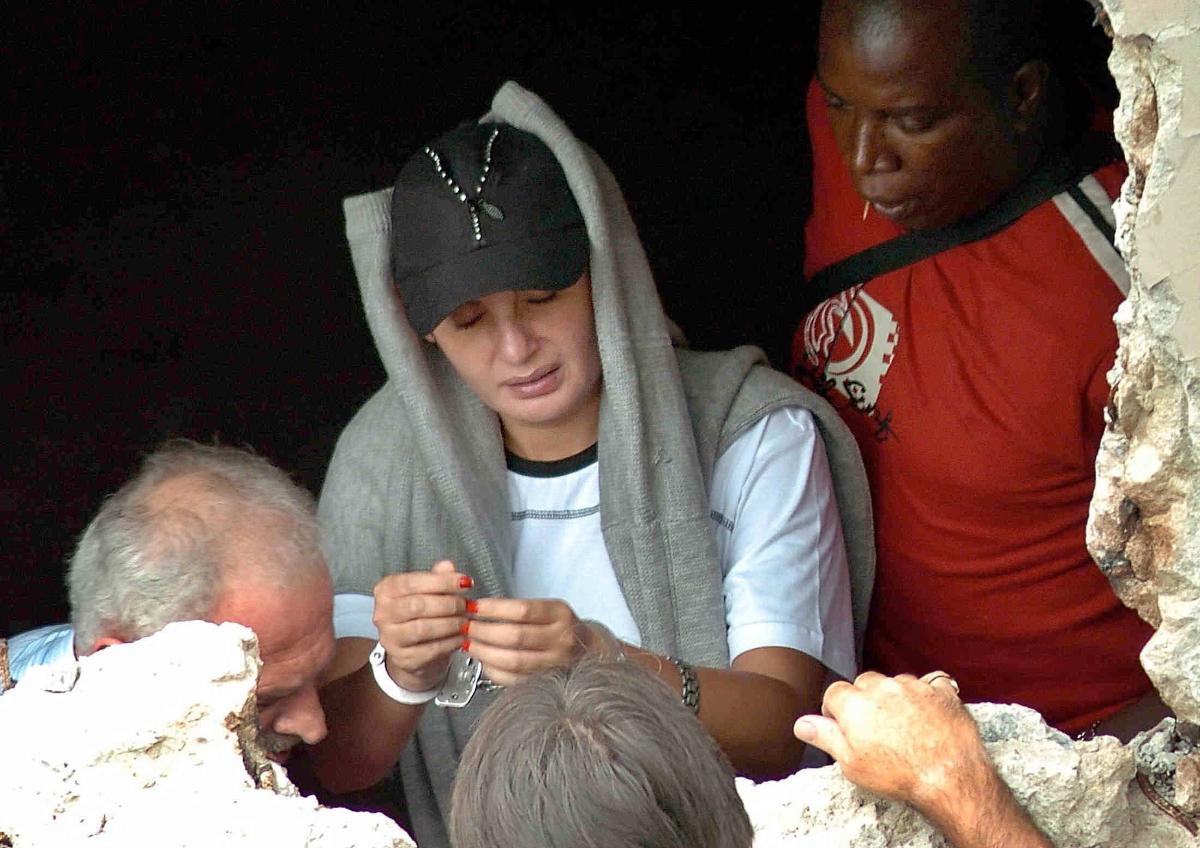
The former banker Rana Koleilat, known for her involvement in the al-Madina bank scandal in the early 2000s. Photo taken from X.






More than 20 years after the massive fraud scandal at al-Madina bank in Lebanon, one of the central figures in the case, Rana Koleilat, has returned to the judicial stage, this time in a real estate fraud case.
According to information confirmed by a high-ranking judicial source, the former banker, currently in Brazil, is suspected of leading a "gang" that seizes properties belonging to a wealthy Lebanese developer also residing in Brazil, valued at several tens of millions of dollars.
Koleilat allegedly tricked the developer, who is known for his vast real estate holdings in Beirut, into signing sales proxies, before sending them to accomplices in Lebanon.
These "forged official sales proxies and replaced two of them with two genuine documents at the Beirut land registry," according to a statement released by the Internal Security Forces (ISF) on Dec. 6.
According to a judicial source, the forgery involved striking out official mentions restricting transactions on the properties. The investigation conducted by Beirut’s judicial police revealed that this gang fraudulently obtained the proxies to complete these operations.
Arrests for fraud, forgery and money laundering
According to some reports, several individuals have been arrested in this case, including Koleilat's nephew, a woman who worked with them, and a retired officer.
The ISF state that the arrests occurred between Nov. 23 and Dec. 2, targeting four individuals born respectively in 1948, 1962, 1987 and 1998. The statement specifies that they were arrested under the supervision of the Beirut Appeals Prosecutor's Office, following investigations conducted by the judicial police based on a complaint filed on Sept. 9.
These individuals were apprehended for fraud, forgery, use of forged documents and money laundering, the statement adds. Prosecutions were reportedly initiated based in particular on Article 655 of the penal code, which provides for a prison sentence of six months to three years for anyone who, by fraudulent means, induces another to hand over real estate properties and seizes them.
Koleilat is best known to the general public for the al-Madina bank scandal, which broke in 2003. In that case, she was accused along with the bank’s former head of illegally transferring and laundering the bank's funds into fictitious accounts held by herself and her accomplices. These transactions, which earned them millions of dollars, eventually led the bank to bankruptcy.
This money laundering network is also believed to have benefited former Iraqi dictator Saddam Hussein and organizations linked to Hezbollah. After the scandal broke, the network transferred part of the embezzled funds back to the Banque du Liban (BDL, central bank) until 2003, and Koleilat and nine others were incarcerated. The banker served more than a year in prison before being released on bail, then fleeing to Brazil.
Under an international arrest warrant issued by Interpol, she was arrested again in 2006 in Sao Paulo and remained in custody for several months.


 1 p.m. recap: Salam in Nabatieh; up to 10,000 more US troops heading to Middle East