


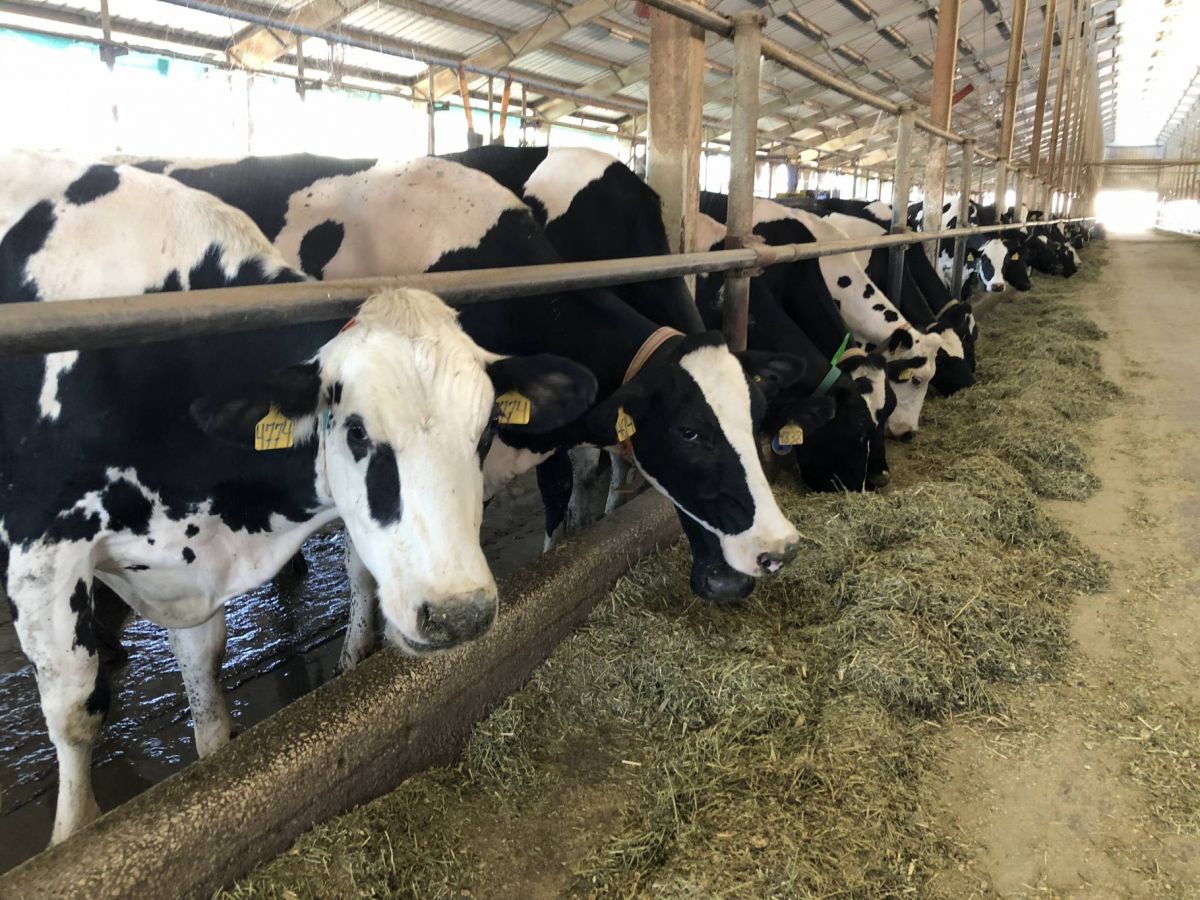
Cows on a farm in Lebanon. (Credit: Illustrative photo by Philippe Hage Boutros/L'Orient-Le Jour)






The veterinarians' syndicate in Lebanon described foot-and-mouth disease as a “major danger for livestock that can lead to significant economic and health losses,” calling for a “state of emergency” to combat the virus. The disease has been spreading in Lebanon for two months.
The highly contagious disease, which primarily affects cloven-hoofed animals, has also prompted the Agriculture Ministry to sound the alarm, urging farmers to vaccinate their livestock and limit animal transport until proper testing can be carried out.
What is known about this disease? Is it dangerous to humans? L’Orient-Le Jour spoke with Ihab Chaaban, president of the veterinarians’ syndicate in Lebanon, to assess the situation.
What is foot-and-mouth disease, and how does it spread?
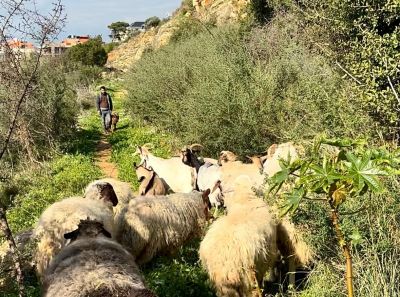
It is a contagious virus that affects cows, goats and sheep, though so far, cows are the main animals affected. It causes sores in the mouth and on the hooves, fever, loss of appetite and painful mastitis (inflammation of mammary tissue). It is especially fatal for younger animals due to their weaker immunity.
The disease, circulating in Lebanon for nearly two months, has mostly impacted livestock in the North, the Bekaa, and Baalbeck-Hermel regions. Southern Lebanon has been less affected so far. It is a new strain for which there is currently no vaccine in Lebanon.
This virus spreads rapidly within cattle, both by contact and through the air, and it can be contagious up to three kilometers away. If a farmer or veterinarian moves between farms, the virus can easily be transported. However, symptoms will only appear in animals three to four days after contamination.

Is this disease a danger to humans?
Foot-and-mouth disease is extremely dangerous but is not transmissible to humans — neither through the air, touch, nor by consuming animal products. That being said, it is preferable not to consume the meat of an infected cow, which will stop producing milk once affected by the disease anyway.
What measures should be taken to limit the spread?
The veterinarians’ syndicate has asked the Agriculture Ministry to suspend the import and export of animals and impose a quarantine on any essential importation. Veterinarians are also urged to take necessary precautions to avoid transporting the virus between farms. The transport of livestock between regions must also be banned.
A crisis cell, chaired by the minister of agriculture and including his departments of Wildlife and Health, as well as syndicates for veterinarians and importers of medicine and meat, has been formed to monitor the situation. It aims to protect still-healthy farms and spare them financial consequences, since several have already suffered serious losses after their livestock was contaminated.
According to sources in the Agriculture Ministry, the virus may have been introduced by cattle illegally entering from Syria, though no confirmed data is yet available. The situation could worsen if the virus spreads widely among goats and sheep, especially since there is no vaccine in Lebanon for the circulating strain. However, vaccines will soon be imported from Russia, according to the Agriculture Ministry.
This article was originally published in French in L'Oreint-Le Jour.
 2 p.m. recap: Flydubai investigation points to 'terrorist act'; calls grow for Hassan Diab’s extradition to France