


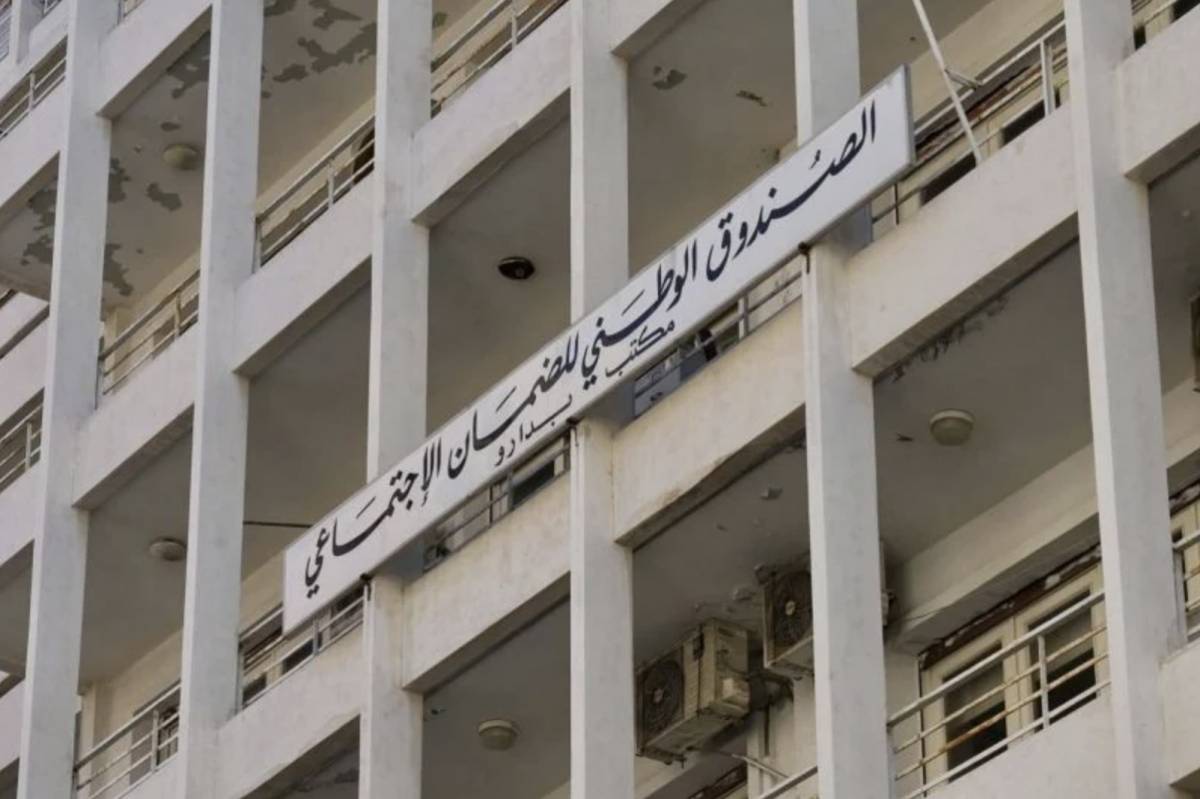
The National Social Security Fund (NSSF) in Beirut, in September 2023. (Credit: Mohammad Yassine)






Director of the National Social Security Fund (NSSF) Mohammad Karaki announced in a statement that the institution has raised the coverage ceiling for medical supplies to 90 percent of their cost, matching the level already applied to medications and hospitalization expenses.
"These successive measures have allowed the NSSF to recover most of its coverage capacity, enabling us today to announce the resumption of coverage for medical supplies," Karaki said.
He recalled that since the onset of Lebanon’s financial crisis in 2019, he had pledged to insured members that health benefits would gradually return to their pre-crisis levels by the end of 2025. According to the NSSF statement, hospitals under contract with the fund will now receive 90 percent coverage for medical supplies.
"The vast majority of the cost will be borne by the NSSF," the statement added, "significantly easing the financial burden on policyholders and strengthening their ability to seek care."
The NSSF said all medical implants — including those used in orthopedic surgery, cardiology, neurology, gastroenterology, gynecology, and digestive treatments — will now be covered. Hospitals and physicians must first submit approval requests for medical supplies to be implanted in insured patients, which will then be reviewed by the NSSF’s medical control unit.
The list of approved medical supplies and their prices, published on the fund’s official website, will be updated every four months.
Karaki said he had "kept his promise," with "all the NSSF’s health benefits" now back to their "pre-crisis level — and in record time, given the scale of the financial and economic collapse that has hit all state institutions."
Since the beginning of Lebanon’s financial crisis, the NSSF’s coverage rate had plummeted along with the value of the Lebanese pound, but began to recover gradually starting in 2022.

 7 p.m. recap: Netanyahu seeks mastermind behind Flydubai incident; Washington sanctions 2 French nationals; Ben Gvir's 'I want to kill you' threat