





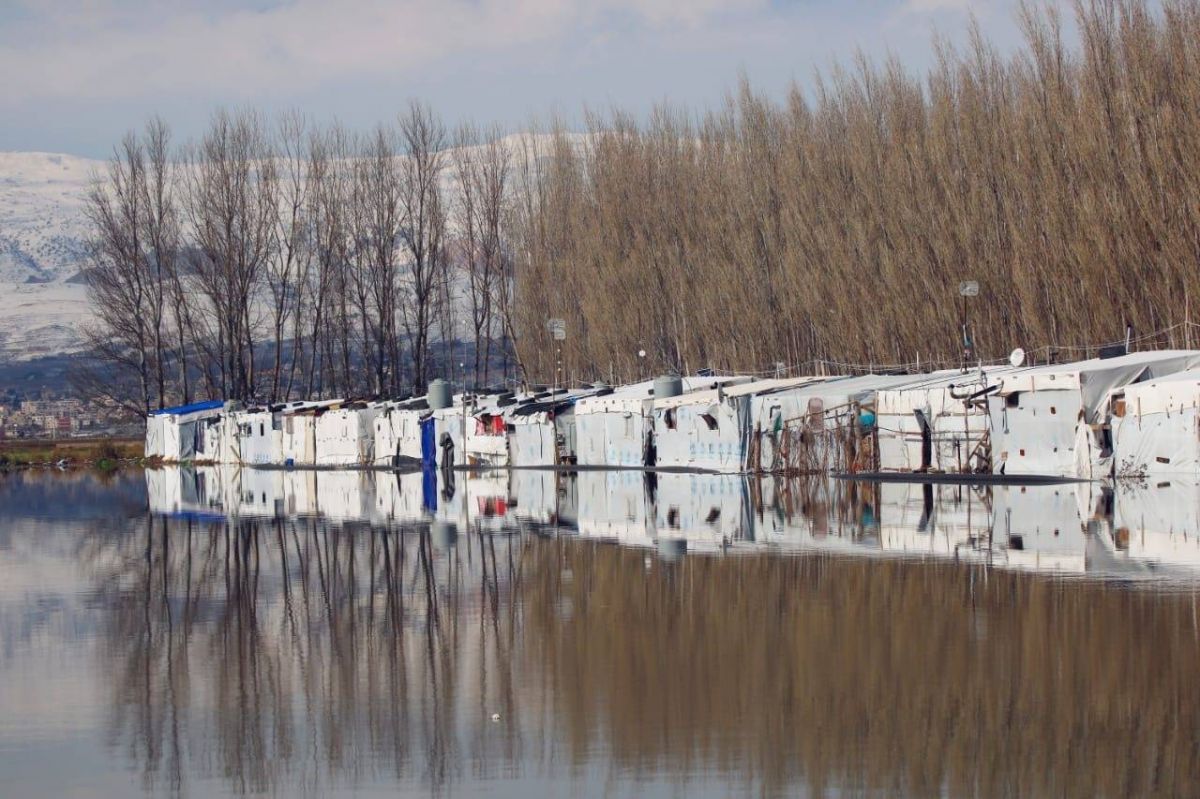
Bar Elias, a Syrian refugee camp near the Litani River, in January 2021. (Credit: Mohammad Yassine/L'Orient-Le Jour)






The controversy over pollution in the Litani River took on an institutional turn this week, following an exchange of letters between the Litani River Authority and the representative of the United Nations High Commissioner for Refugees (UNHCR) in Lebanon.
The Authority accused informal Syrian refugee camps in the river basin of worsening pollution, while the UNHCR defended its role Thursday in a letter sent to L’Orient-Le Jour, expressing its readiness to strengthen cooperation with Lebanese officials.
In his correspondence, Authority Director Sami Alawieh voiced concern over “the increasing degradation of water resources in the Litani basin,” attributing it to wastewater and solid waste from informal Syrian settlements.
In response, UNHCR stressed that it has neither established nor manages any refugee camps in Lebanon. “There are no formal camps for Syrian refugees established by UNHCR or other international organizations in Lebanon,” the letter said. “The informal settlements result from private arrangements between landowners and refugee families, who pay rent for the plots they occupy.”
The agency also said it had stopped funding wastewater sanitation projects along the river, which are now handled by organizations with greater technical expertise. This statement followed the Authority’s accusation of “misleading claims that camp wastewater is treated before being discharged.”
UNHCR added that no housing assistance is provided within 50 meters of the river’s banks, in line with the Authority’s directives, and that its teams “actively encourage families to relocate further from the river.”
Refugee returns: UNHCR says movement is underway
Addressing the Authority’s call for a gradual return of refugees to Syria, UNHCR said the process is already underway. “UNHCR actively supports the return of Syrian refugees, in close coordination with the inter-ministerial committee, the Ministry of Social Affairs, General Security, and partner agencies,” the statement said.
In the news
Around 400 Syrian refugees and migrants leave Lebanon in sixth ‘voluntary return’ convoy
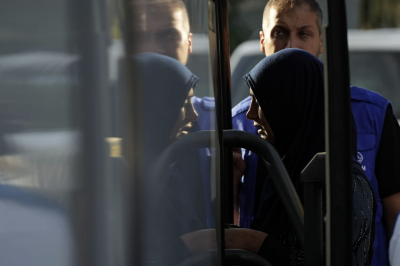
According to the agency, about 300,000 Syrian nationals have returned to their country since the start of 2025, and the number is expected to reach 400,000 by year’s end.
The UNHCR concluded its statement on a conciliatory note, saying it “appreciates and encourages ongoing collaboration” with the Authority and Lebanese officials “to protect Lebanon’s environment while meeting the humanitarian needs of the most vulnerable.”
The Litani River Authority has reported that more than 2 million cubic meters of untreated wastewater are dumped into the river every year, threatening irrigation, drinking water reserves and public health.

 7 p.m. recap: Iran warns Egypt, Israeli soldiers vote in south Lebanon, Haret Hreik responds to Kataeb