





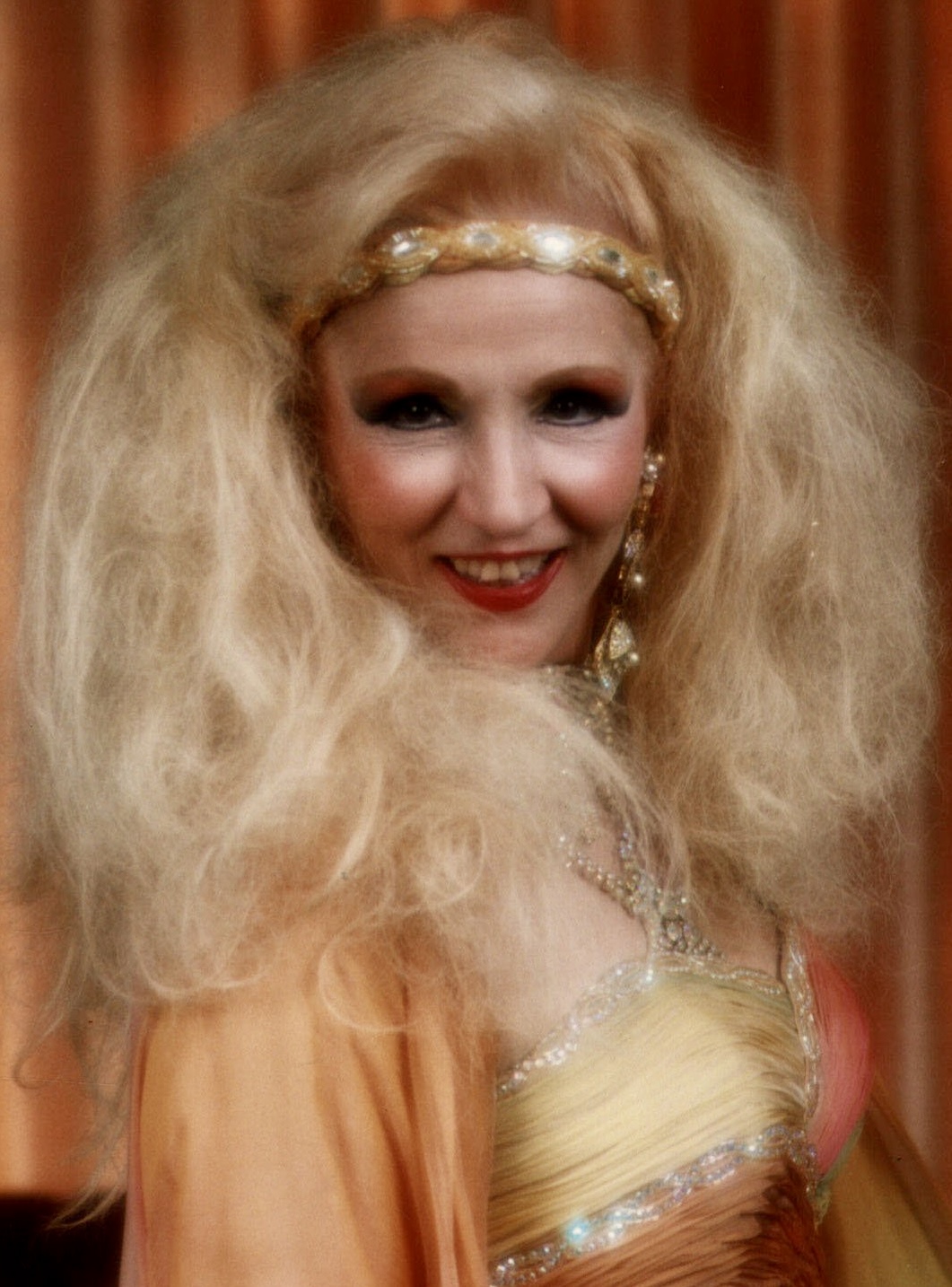
Lebanese singer Sabah. (Credit: L'OLJ archives)






There have been — and will continue to be — many Arab divas. But among those from the golden age of the 1920s to the 1970s, only one dared to embrace humor and self-mockery, unafraid to risk her credibility.
The woman with her hair let loose in a peroxide-blond, extravagant style crafted by Beirut hair artist Naim Abboud; with charcoal-lined eyes drawn by a young makeup artist, Joseph Gharib, in the early 1990s; with spectacular stage outfits, including one that lit up with dozens of bulbs sewn into red muslin during a 1970s concert at Beirut’s Piccadilly Theater. This was Sabah.
In a still-conservative era, when divas were expected to be role models both on and off stage, she shocked without seeking scandal. She married multiple times — not because she believed deeply in marriage, but because divorces and separations became necessary, and she never wanted to give up on love.
Her two children by two different husbands didn’t make her a Josephine Baker. Her husbands called her “Mrs. Bank” because she was a spender, unbothered that her expenses often exceeded her income.
Behind her catchy songs lies a gravity that made her one of the greatest performers of tarab, the demanding art form at the heart of 20th-century Egyptian classical music. Behind her children’s tunes, such as the delightful “Saute petit lapin,” sung in French with a lilting, smiling accent, stood an exceptional voice also found in her mawwals — powerful Lebanese folk ballads traditionally reserved for men, which she sang like no other.
Behind the actress of 83 films was a double tragedy that her public life never betrayed, though she never hid it when asked. Few know that during her childhood in Bdadoun, near Wadi Shahrur (Baabda), when she was only 10, her older sister Juliette was accidentally shot and killed during a fight. She was later sent to Beirut — first to public school, then to a Jesuit school — where her singing and acting talents flourished.
In 1948, at just 18, as her Egyptian career was taking off, she returned to Lebanon to visit her mother, from whom she hadn’t heard in some time. There, she learned that her brother, Antoine Feghali, had murdered their mother “for honor.”
Finding her in Broummana (Metn) with her lover, Feghali killed them both before fleeing to Syria and then Brazil. There were no funerals, no known grave for the woman who loved art and life, the wife of a peasant who worked his small village plot every day. Sabah would never know where her mother was buried.
Behind Sabah’s cheerfulness was blood and tears — yet the Arab pop icon built a philosophy of joy. The woman who asked for dabke dancing at her funeral, and who wished to be buried in a wedding dress, embodied Lebanon’s golden age to the end — especially in her song “Allo Beirut,” written by Toufic al-Attar and composed by George Tabet.
In those years, when you still needed an operator to connect a call, she asked the operator to “tour her around” Beirut, evoking the neighborhoods “where her heart was lost.” She greets the press and the “beautiful pens” to whom she felt indebted — gratitude placed, perhaps, on the wrong side.
How can one speak of Beirut, a city that continues to haunt those who left it, without humming “Allo Beirut,” summoning courage and smiling despite the nostalgia that squeezes the heart until it hurts?
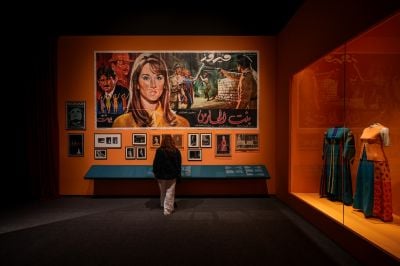
Find the wing dedicated to Sabah at the Sursock Museum exhibition “Arab Divas,” running Oct. 17 to Jan. 11, 2026.

 7 p.m. recap: Iran warns Egypt, Israeli soldiers vote in south Lebanon, Haret Hreik responds to Kataeb