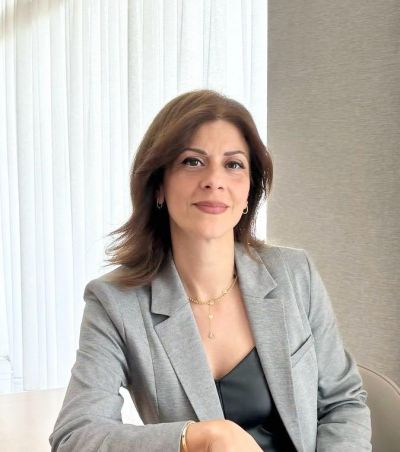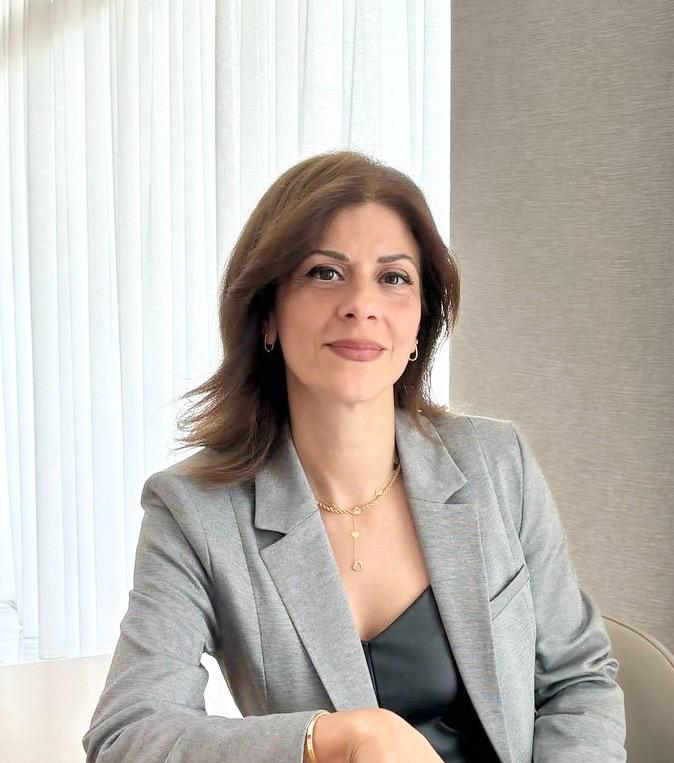
Karen BouJaoudé. Photo Clara Maria Khoury






Making a living from music and turning it into a career is possible. More than a passion or hobby, music is a profession — and part of a vast, promising industry that offers wide-ranging opportunities, said Karen Boujaoude, associate professor and dean of the Faculty of Architecture, Art and Design at Notre Dame University-Louaize (NDU).
To professionalize music education and restore prestige to the industry, the faculty, through its music department, is launching a program this academic year in music production and industry practices.
Developed and co-designed with Lebanese composer, musician and producer Oussama Rahbani, the program is adapted to the new realities of the global music business and complements NDU’s existing offerings. The university, which established its School of Music in 1992, was among the first in Lebanon to teach music at an academic level. NDU, with its heritage and values, has long offered a specialized track in music, Boujaoude said, recalling that it was once the only university in the country to offer a bachelor’s degree in jazz.
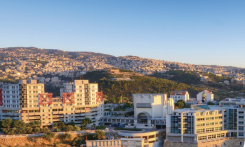
Designed in line with the core values and principles that underpin the university’s mission, the new curriculum, spread over about three years and 99 credits, will initially be available only in person at NDU’s main campus in Zouk Mosbeh, Boujaoude said. Taught mainly in English, the program will connect students from different backgrounds with professionals and experienced musicians, including Rahbani, renowned vocal coach Wadih Abi Raad, and music producer Alex Missakian.
Through an interdisciplinary approach, students will have unparalleled opportunities to hone their artistic skills, work on creative projects and learn directly from experts about the evolving business ecosystem of music and the challenges it faces.
The program also aims to boost the music department’s visibility locally and internationally, particularly after a decline in enrollment during Lebanon’s crisis years.
“Too often, parents think music is not a real career and that it’s better for their children to get another degree while doing art on the side or keep a ‘stable’ job as a backup to provide security,” Boujaoude said. “But it’s time to change mindsets and recognize that music is a profession on its own, with multiple possible careers, and that beyond its artistic and cultural aspect, it creates a flourishing economy with highly diverse opportunities. It just takes proper student guidance.”
One immediate outcome of the partnership with Rahbani was a revision of existing programs to meet market demands and improve students’ job prospects. “This overhaul was led by Dolcy Lawoun, head of the music department, who also closely oversees the admissions process with the relevant services,” Boujaoude said.
The collaboration, she added, aligns with NDU’s broader mission. “The university has a mission to provide all young people who want to learn with the opportunity to pursue the studies of their choice but also to serve the community, which is why the faculty has opened its doors to host events and art exhibitions,” she said.
“Music is culture; it’s that universal language that transcends borders and shapes how we see the world and life. It allows us to connect to the world and reach students wherever they are. We already have applicants from Jordan and Syria,” she added.
Both an art and a science, music not only softens manners but also forms a fundamental foundation in shaping the identity of a people, especially culturally. “It’s important for people to realize this,” Boujaoude concluded.
This article was originally published in French in L'Orient-Le Jour.