


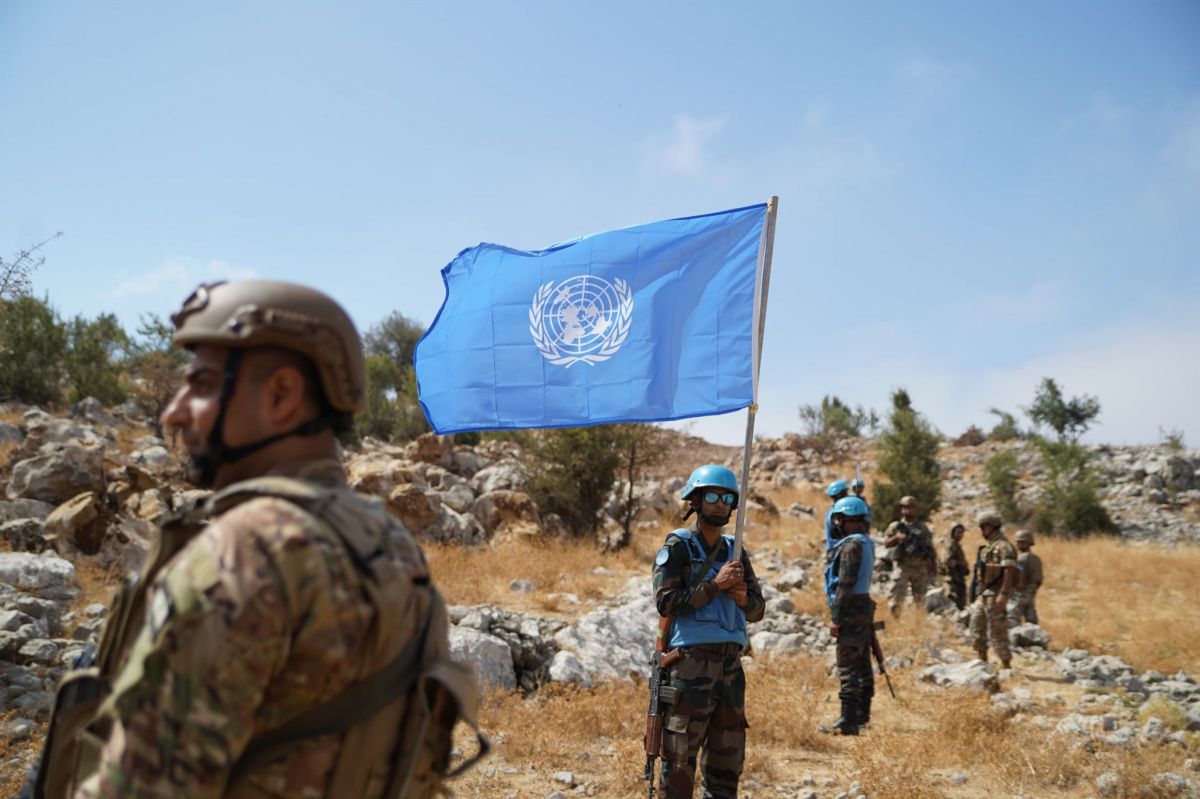
Lebanese soldiers and UNIFIL peacekeepers in Kfar Shuba, South Lebanon, on Aug. 26, 2024. (Credit: Mohammad Yassine/L'Orient Today)






BEIRUT — The U.N. Security Council voted on Thursday to renew for one last year the United Nations peacekeeping force in southern Lebanon (UNIFIL) and start terminating the mission by Dec. 31, 2026, after a presence of nearly five decades along the border with Israel.
This decision came after pressure from the United States and its close ally Israel, as Lebanon and Hezbollah find themselves weakened after a 13-month conflict with the Hebrew State.
Around 10,800 peacekeepers have acted as a buffer between Israel and Lebanon since March 1978 and patrol Lebanon’s southern border with Israel, helping the Lebanese Army in its missions in the area. The 15-member council unanimously passed a resolution drafted by France, following a compromise reached with the United States, a council member with veto power. The Security Council decision aims to make Lebanese authorities "the sole provider of security in southern Lebanon.”
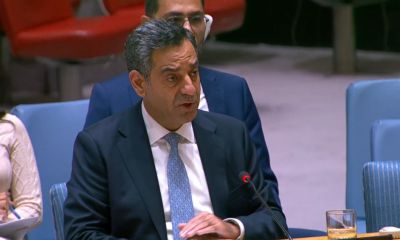
Lebanese President Joseph Aoun and Prime Minister Nawaf Salam both welcomed this last renewal. In the opposite camp, Israel’s Ambassador to the U.N., Danny Danon, celebrated the “good news” in a video message, saying UNIFIL had “failed in its mission and allowed Hezbollah to become the region’s most serious threat.”
Here's today's press review of Lebanese and Israeli media outlets who reacted to this development.
'French-Lebanese victory'
The Lebanese daily Annahar, known for its opposition to Hezbollah, reported on Friday that Thursday's decision is a "positive indicator" for Lebanon, describing it a “French-Lebanese victory, albeit with American approval.”
The newspaper explained that this decision “reflects a concerted effort to ensure that southern Lebanon does not fall into a security vacuum,” and is “especially significant as it aligns with ongoing efforts to fully assert state authority in the region.” It added that: “What was approved in the final formula would not have passed without American approval.”
The Lebanese government tasked the army at the beginning of August to develop, by Sept. 2, a plan to disarm Hezbollah and other militias before the end of the year, but the party continues to refuse to surrender its arsenal. The disarmament process started south of the Litani river, with the help of UNIFIL soldiers.
For its part, Lebanese daily Nidaa al-Watan, who is also a strong critic of Hezbollah, titled on its front page: "Lebanon folds the era of Palestinian arms and UNIFIL," limiting its coverage to factual reports based on statements from the UN, as well as Lebanese and Israeli officials.
'Restructuring rather than a termination' of UNIFIL
On the other hand, pro-Hezbollah Lebanese daily Al-Akhbar' Amal Khalil wrote: "According to information [obtained by the publication], what the international presence on Israel's borders will witness is a 'restructuring rather than a termination, through a new mandate decision.' The initial plan put forth by the United States and Israel is based on ending this very UNIFIL in its current composition, with the intention of forming a new United Nations force with a different structure and direction."
"The United States and Israel seek to change UNIFIL ['s mandate], not only because the Lebanese Army will not be a sufficient substitute, but also as part of a struggle on the field in the South," Khalil noted. Al-Akhbar accused both countries of "shaping global opinion against UNIFIL."
'Standing against Israel'
In Israeli media, Times of Israel noted that "initially, the U.S. appeared to side with Jerusalem," demanding the mission end within six months and later proposing a 12-month final extension.
For its part, Ynetnews accused French President Emmanuel Macron of standing “against Israel."
European countries, particularly France and Italy, objected to winding down UNIFIL's mandate too quickly. They argued that ending the peacekeeping mission before the Lebanese army is fully capable of securing the border would create a security vacuum, which Hezbollah could exploit.
Israeli outlets like Haaretz and The Jerusalem Post had not released any editorials or analytical commentary on the matter at the time of this article’s publication.
 Israeli army carries out demolition at Jabal Amel School in Houla as strikes continue