





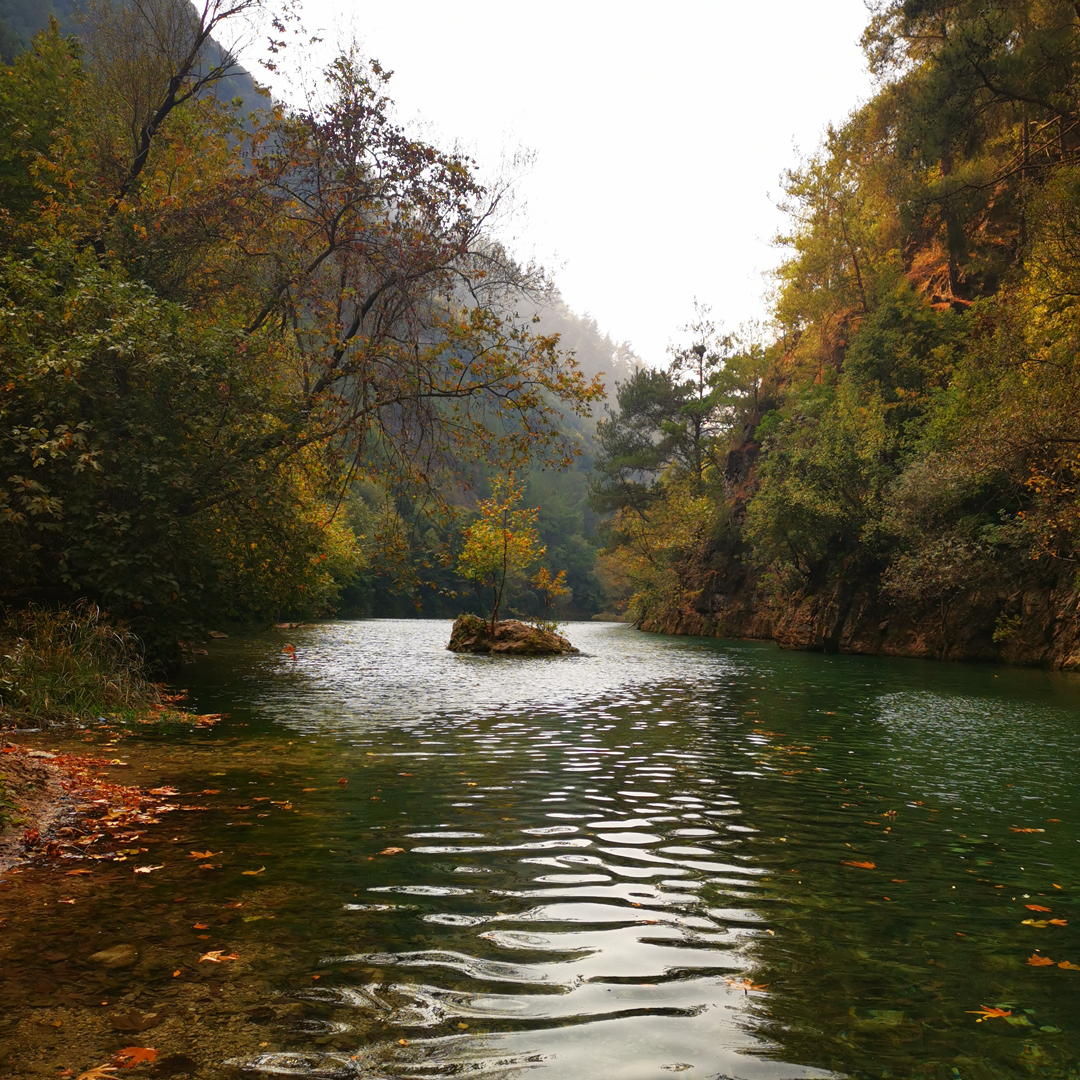
Chouwen Lake, in Kesrouan. (Credit: Photo provided by the Jabal Moussa reserve)






During the summer, the rivers of Lebanon offer an alternative to beaches, with their cold water and cooler environment. But, like the case with most natural and cultural landmarks in their country, there is poor state upkeep, leaving many heavily polluted. Other swimmers are trying to avoid trips to south Lebanon and the Bekaa due to near-daily Israeli strikes, despite the cease-fire agreed last November between Hezbollah and Israel.
Still, as the heat in Lebanon refuses to break, L'Orient Today suggests four rivers to discover this summer season.
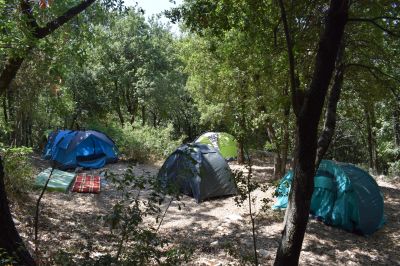
Chouwen (Kesrouan)
Chouwen Lake, located in the Jabal Moussa Reserve, has been a favorite spot for tourists and residents for years. A moderately difficult to difficult 3.6 km hike is required to reach it, according to the Association for the Protection of Jabal Moussa.
"Picnicking, camping and water activities like kayaking and rafting are prohibited there to protect ecosystems and ensure visitor safety," the association explains. In addition, "swimming in the deep area of the lake is not recommended due to currents."
Admission is $4 per person and $2 for those under 16 from Monday to Friday. On weekends and holidays, it is $8 per person and $4 for those under 16.
Jahilieh and Baaqlin (Chouf)
Usually so busy on weekends, the Jahilieh river's popularity makes it hard to find a spot along its bank, according to Nasim Abou Thiab, the village's mokhtar. Restaurants line the banks, and even if you don't want to order food, you can rent a chair for $5.
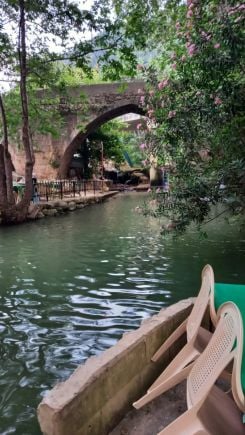
A few kilometers away, the Baaqlin river offers a similar experience, with cafes and pools fed along the watercourse. This river is also very crowded on Fridays, Saturdays and Sundays.
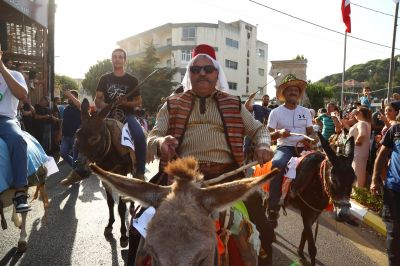
Assi River (Hermel)
Known for rafting, the Assi river is close to the Syrian border, a region heavily affected by the recent war.
"We offer four levels of rafting and, for those who stay overnight on site, a nighttime descent. There are other activities as well, such as hiking, swimming and kayaking," explains Nouredine Makhour, who works at the Rafting Squad Club in Hermel. Accommodation options include a closed Canadian tent to keep out insects or a guest room in an old stone house.
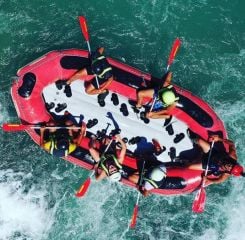
Rafting costs $20 per person. A tourist visit, including ziplining, is $15. Those who do not wish to participate in these activities can picnic by the river for no costs.
Makhour adds that the river is suitable for swimming: "Proof of this is the fish in the Assi, especially salmon, are exported abroad."
Bisri River (South Lebanon)
Bordered by cafes and restaurants, the Bisri river crosses a 6 million square meter valley between the Chouf and Jezzine districts. According to Karim Kanaan, an engineer and activist from the region, there are some clean spots in the river where you can swim, but risk finding sewage in others.
To know where to swim, "it is recommended to have a local guide." The best time to swim in the clean spots is "at the end of winter and the beginning of spring, when the water is purest, potable and plentiful," he says.
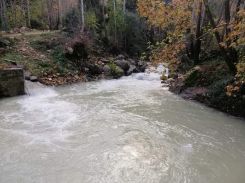
The activist notes that access to the river is free because the entire valley is public property, making it forbidden to charge entrance fees. This site made headlines a few years ago when, in 2020, the World Bank canceled a dam project after environmentalists mobilized against it.
Other areas of south Lebanon
Some rivers, usually popular, are now inaccessible due to the war between Israel and Hezbollah. According to the mokhtar of Hasbaya, restaurants near the Hasbani river are still open, but attendance rates barely reach 30 percent. As for the parks of Wazzani, they are completely destroyed, and anyone who approaches is at risk of being shot at by Israeli soldiers, according to another village mokhtar.

 Evening recap: Netanyahu announces West Bank offensive; 7 killed in Jordan church shooting; tents burned in south Lebanon
 US strike on Iran this weekend? ‘Absolutely,’ says Barrack; ‘I have no idea,’ says Trump