


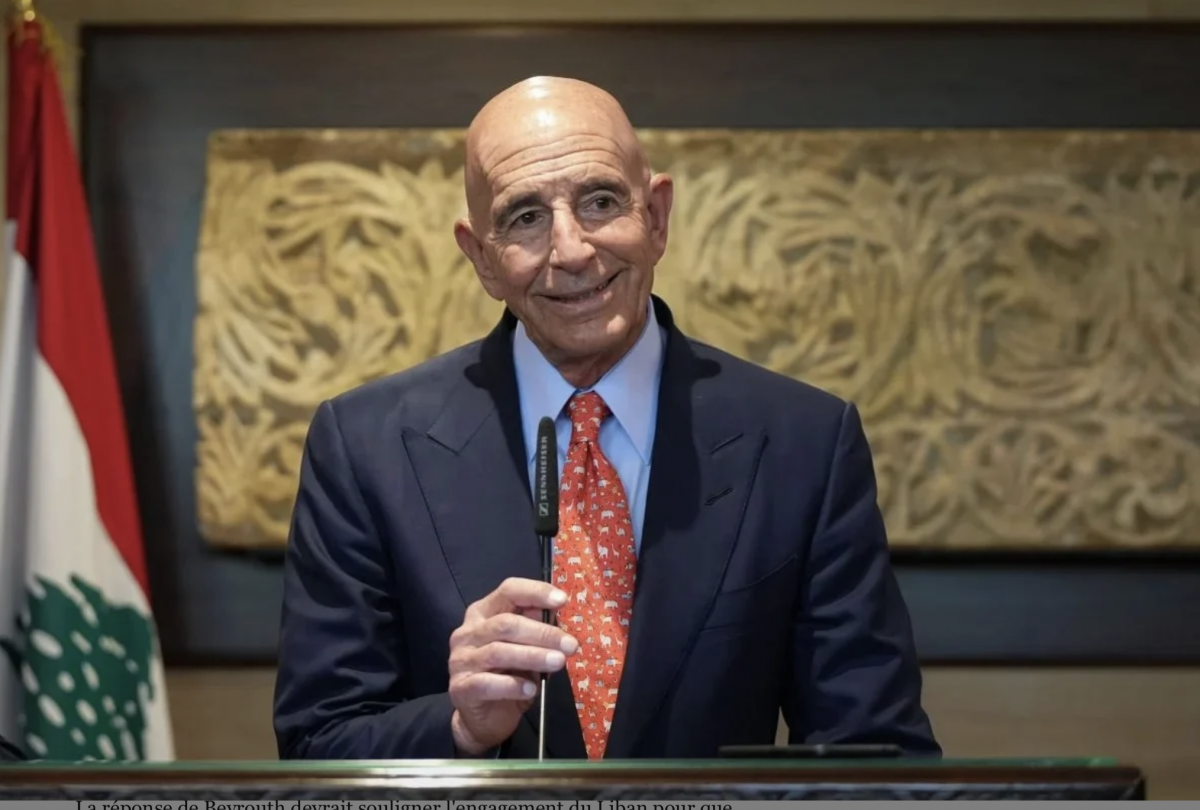
American envoy Thomas Barrack in Ain al-Tineh, on June 19, 2025. (Credit: Mohammad Yassin/L'Orient Today)






Tom Barrack, the U.S. ambassador to Turkey and special envoy to Syria, emphasized the importance in involving the Shiite community in discussions around Hezbollah's disarmament in an interview published on Thursday in the New York Times.
Barrack told the publication that convincing Hezbollah to hand over its weapons to the state would require both "carrots and sticks," and that he was aware of the potential for the process to receive pushback from the Shiite community in Lebanon, which has long seen Hezbollah as its defender, both against marginalization within Lebanon and against aggression from Israel.
“If the Shiites of Lebanon are getting something from this, they will cooperate with it,” he said, adding that the U.S. is seeking financial help from Saudi Arabia and Qatar that would go toward reconstruction in areas of southern Lebanon that Israel decimated in its war with Hezbollah last year.
Last month, Barrack delivered a proposal from U.S. Secretary of State Marco Rubio to Lebanese authorities recommending how Lebanon should go about disarming Hezbollah and getting its economy back on its feet.
Barrack told NYT that he is expecting an official response to Rubio's proposal sometime next week. He's expected to be back in Beirut on Monday.
Among the measures outlined in Barrack's plan is a phased approach to disarmament, starting north of the Litani River. In exchange, the U.S. would exert pressure on Israel to withdraw from the remaining occupied Lebanese territory.
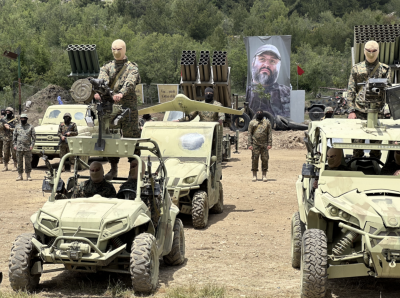
Hezbollah says it has already met its end of the cease-fire deal by withdrawing all its weapons from south of the Litani and considers all issues related to its military presence north of the river to be a domestic issue, to be discussed internally with President Joseph Aoun as part of a national defense strategy. Hezbollah has also refused any imposed constraints or deadlines.
Hezbollah has also made it known that in exchange for its disarmament, it wants to see complete Israeli withdrawal from Lebanese territory, and end to Israel's violations of the cease-fire and the release of all Lebanese in Israeli detention.
Barrack, who is of Lebanese descent, called the November cease-fire deal “a total failure” because of Israel's daily bombardments of Lebanon and what he said were Hezbollah's own violations of the agreement's terms, though he did not elaborate.
 2 Israeli soldiers injured in 'operational accident,' as army continues attacks in the South