


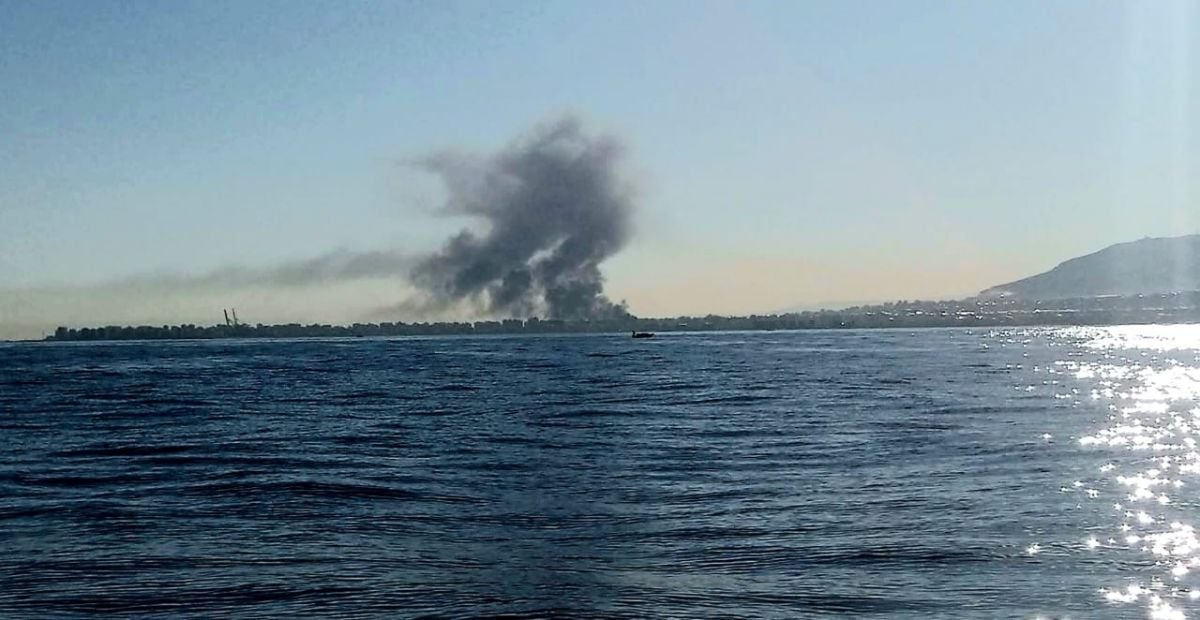
A fire in Tripoli on July 1, 2025. (Credit: Michel Hallak/OLJ)






Environmental protection took a judicial turn Wednesday in North Lebanon, with two formal complaints filed in response to recent tire and waste fires in Tripoli and wildfires that broke out Sunday evening in the Akkar district.
One complaint was filed by Environment Minister Tamara al-Zein with the state's litigation department, headed by Judge John Kazzi. The complaint targets “any person” identified in the investigation as an “author, accomplice, instigator or participant” in the wildfire that swept through the heights of Qobeiyat, causing what the minister described as “significant environmental damage,” according to a copy of the complaint obtained by L’Orient Today's correspondent in the North.
Preliminary estimates by Georges Mitri, director of the Land and Natural Resources Program at the University of Balamand, indicate that more than 20 hectares of land were destroyed in the Qobeiyat fire.

‘Environmental massacre’ in Tripoli
Zein based her complaint on Lebanon’s environmental protection law, which classifies nature preservation, prevention of desertification and protection of ecosystems and biodiversity as matters of public interest.
In parallel, a group of lawyers filed a separate request to open an investigation with the Northern Environmental Prosecutor’s Office, overseen by Judge Ghassan Bassil, in relation to “a series of simultaneous fires at several sites” across Tripoli and its outskirts.
The lawyers described the incidents as an “environmental massacre,” citing fires at the Wadi Bchennine dump, near the Beddaoui Palestinian refugee camp, and in Kfar Qahhel. Tires were also reportedly set ablaze near the Sunday market site in Tripoli.
“These fires generated thick black smoke and toxic odors that blanketed the city’s sky, causing numerous cases of suffocation, especially among children, the elderly, and the ill, and resulting in serious health and environmental damage,” the lawyers said.
Their complaint invokes both the environmental protection law and several articles of the penal code related to environmental offenses. It requests an investigation into the fires and the implementation of urgent measures to prevent similar incidents in the future.
Crackdown on scrap yards
Judge Bassil referred the case to the Tripoli Judiciary Brigade to begin an investigation, according to our correspondent.
Separately, North Lebanon’s interim governor, Iman Rifai, sent a letter to the commander of the North regional gendarmerie calling for an immediate halt to tire and plastic fires in the interest of protecting public health and the environment.
She also ordered the sealing of unauthorized scrap yards — especially in Tripoli — and instructed that their owners be informed of the obligation to apply for proper permits from the governorate.

 Israeli army carries out demolition at Jabal Amel School in Houla as strikes continue