

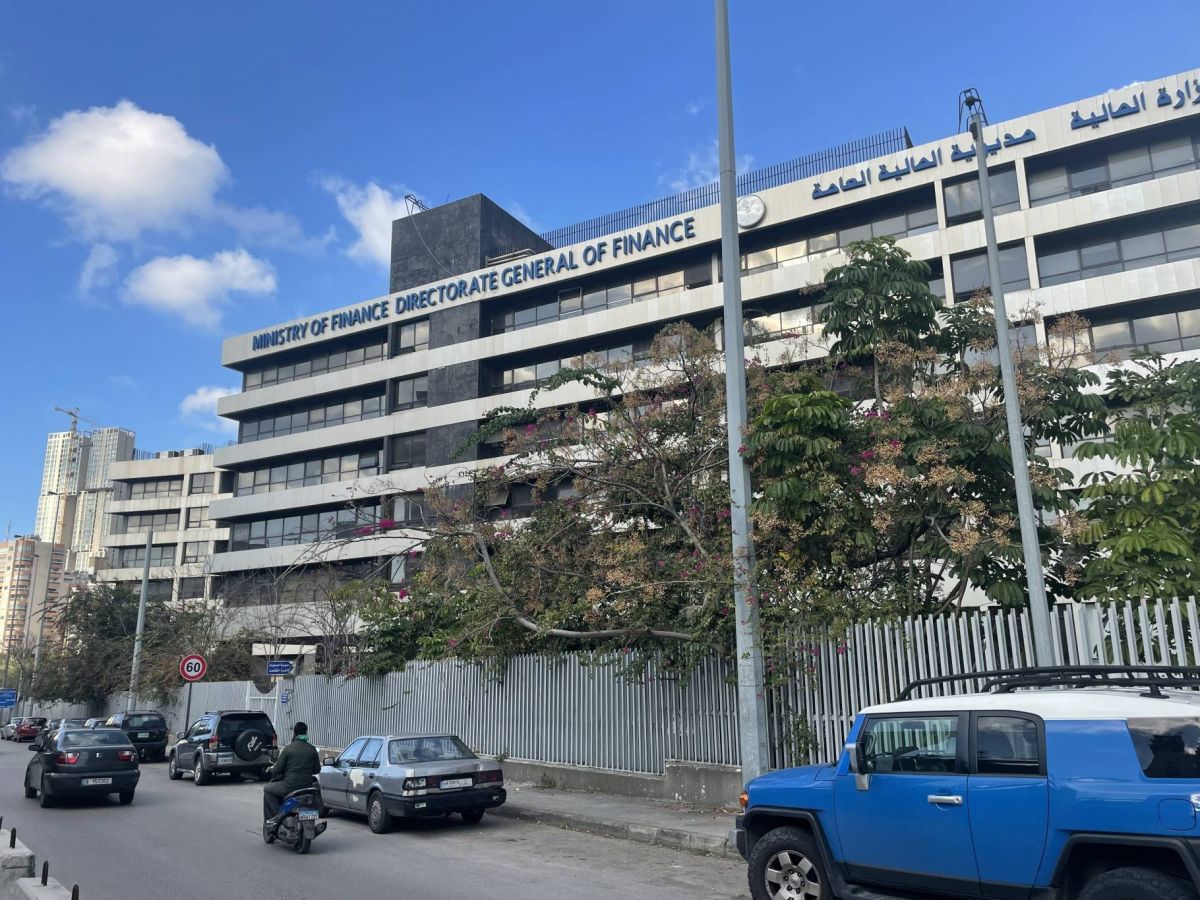
The Directorate General of Finance building in Beirut. (Credit: Philippe Hage Boutros/L'Orient Today)






The Ministers of Finance and Justice issued a decision on June 23 authorizing forensic and tax audits of Lebanese merchants who benefited from Central Bank subsidies during the 2019 economic crisis.
That year, former BDL Governor Riad Salameh issued a directive allocating the remaining foreign currency reserves at BDL to essential goods – notably medicine, basic food necessities, and fuel.
In February 2020, under then-Prime Minister Hassan Diab’s government, the subsidy program was expanded to include a list of 380 food products.
Benefiting companies and merchants were able to obtain U.S. dollars at the official exchange rate of LL1,500/USD. However, some were accused of stockpiling goods when prices were low to later sell them at market rates during shortages – particularly fuel and medicine – or even smuggling some of these goods to Syria.
"The audit is crucial today, not only to understand where the money went, but also to uncover cases of tax evasion," a source familiar with the matter told L’Orient Today.
No firm has yet been contracted to carry out the audits, which will likely involve examining the books of thousands of businesses – both large and small.
"It’s going to be a massive and complex undertaking," the source stated.
 Israeli army carries out demolition at Jabal Amel School in Houla as strikes continue