






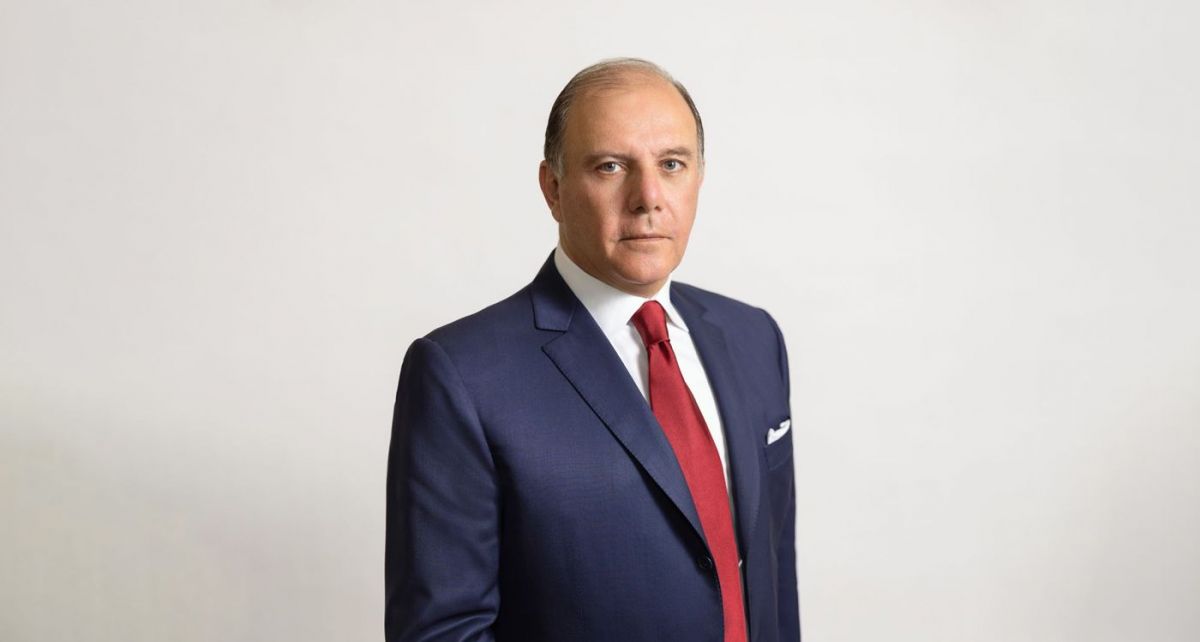
The governor of BDL, Karim Souhaid.






The governor of the Central Bank (BDL), Karim Souhaid, completed high-level technical consultations in Paris and Washington, focusing on the process of structural reforms in the Lebanese banking sector, as well as ways to support them legislatively and executively within a defined timeframe and according to available capacities, BDL said in a statement. However, it did not specify the dates on which these meetings took place.
In Paris, “Karim Souhaid held a meeting with senior officials from the French Treasury, dedicated to examining the technical criteria required for the development of a roadmap for banking sector restructuring,” the statement said, adding that “[this] should be coordinated at the national level and allow for a gradual handling of depositors' rights.”

More than two months after its submission to Parliament, the draft law on the reform and reorganization of the banking sector — to initiate the restructuring of a bankrupt system — remains stalled. The deadlock today revolves around Article 5 of the draft, related to the composition of the future High Banking Authority, supposed to lead the restructuring of troubled establishments, whether through recapitalization, merger, or liquidation, which is the subject of a subdued but persistent confrontation between the government and the central bank.
In Washington, the governor participated in an “executive program at the headquarters of the International Monetary Fund (IMF), including sessions on governance, monetary policies, crisis management, and capital flow control,” the same statement said. Souhaid also held coordination meetings with the IMF team in charge of the Lebanese dossier, as well as with the director of the Middle East and Central Asia Department. The discussions focused on “developing a preliminary roadmap to reform the banking sector and restore confidence in the financial system.”
After a framework agreement with the IMF became obsolete more than three years after its signing, Lebanon officially resumed negotiations with the IMF on May 30 to try to obtain a new financial assistance program. During a mission to Lebanon between May 28 and June 5, an IMF delegation encountered the persistent slowness of the banking sector restructuring process and comparable inertia in fiscal and budgetary reforms. The IMF also sounded the alarm about the archaism of the Lebanese tax system, deeming it deeply unequal.
Removing Lebanon from the 'gray list'
According to the BDL statement, the governor conducted consultations with officials from the U.S. Treasury Department, particularly those in charge of combating money laundering and terrorism financing. The exchanges focused on “the measures required to address the observations made by the Financial Action Task Force (FATF), with the goal of removing Lebanon from the 'gray list.'”
“The consultations also addressed the necessary measures to protect the financial sector, particularly its relations with correspondent banks in the United States, in the face of risks posed by prohibited associations,” the statement explained.
On June 11, the European Commission placed Lebanon on its list of “high-risk jurisdictions with strategic deficiencies in their national regimes to combat money laundering and terrorism financing,” also known as its “blacklist.” This occurred after the FATF placed Lebanon under enhanced surveillance on Oct. 25, 2024, with the latter committed to swiftly resolving the identified strategic deficiencies within agreed timelines to avoid being included on the “blacklist” of non-cooperative countries, following which it could be excluded from the global financial system.