






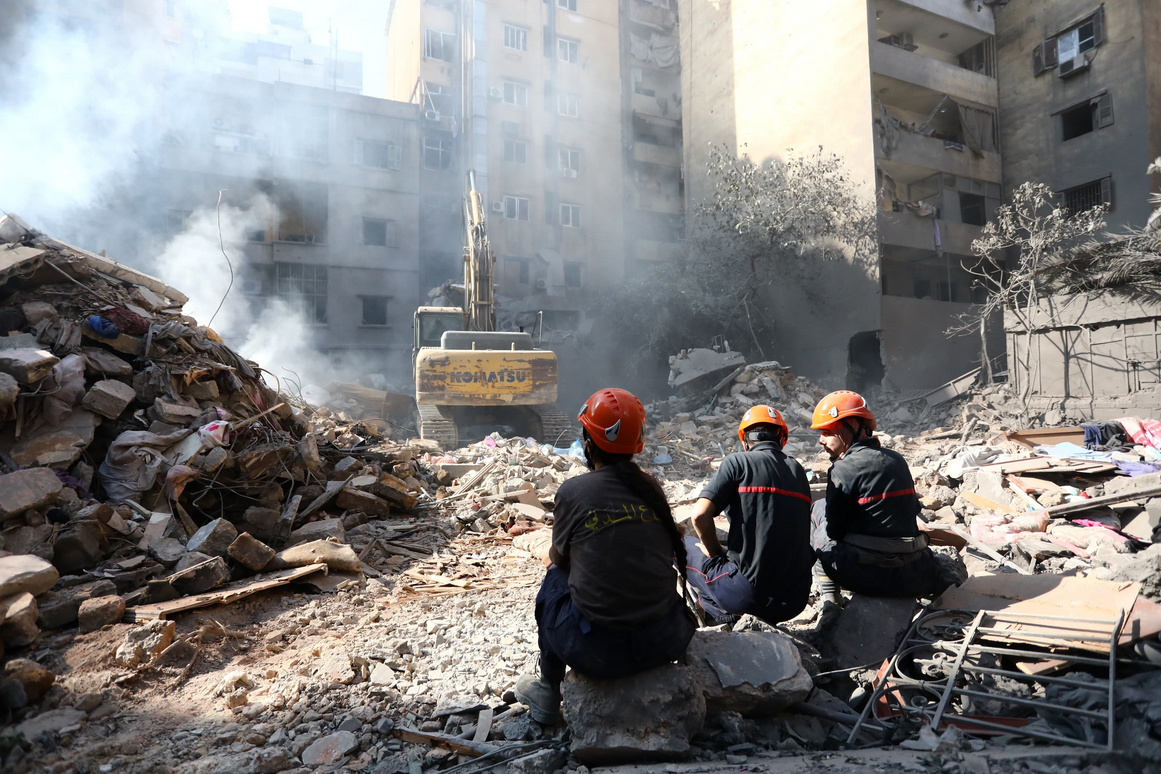
The rubble of a building leveled by an Israeli strike in Basta, Beirut, Oct. 11, 2024. (Credit: Mohammed Yassin/L'Orient Today)






BEIRUT — The World Bank has approved $250 million in financing for Lebanon to aid in the reconstruction of critical public infrastructure and the management of rubble in areas affected by the war, the organization said on Wednesday.
According to a statement released by the World Bank, the funding has been allotted to support the "most urgent repair and reconstruction of damaged critical public infrastructure and lifeline services," as well as the "sustainable management of rubble in conflict-affected areas."
The World Bank's Lebanon Emergency Assistance Project (LEAP), which falls under the international financial institution's Environment and Social Framework (ESF) will be working to "maximize" the social and economic impact of this significant aid package "within the shortest timeframe," while still staggering the process in a "phased approach" to response, recovery and reconstruction.
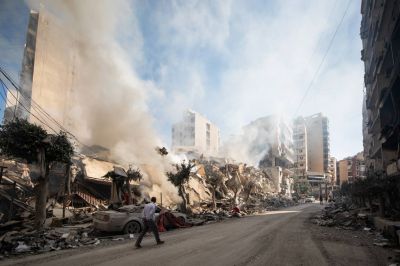
An assessment by the World Bank of the impact of the conflict in Lebanon between Oct. 8, 2023, and Dec. 20, 2024 — nearly a month after the ostensible cease-fire between Hezbollah and Israel came into effect, after which Israeli troops carried out further demolitions — estimated total direct damages across 10 sectors at US$7.2 billion, and reconstruction and recovery needs at US$11 billion.
Damage to "critical infrastructure and buildings that are critical to economic activity and to the health and safety of communities" was estimated at US$1.1 billion across the transport, water, energy, municipal services, education and health care."
In February, some details of the World Bank's initial assessment of war damage on Lebanon leaked from a Grand Serail meeting, revealing it believe Israeli attacks had cost the country $14 billion dollars.
Economic losses from Israeli bombardments of Lebanon have been previously estimated to exceed $20 billion dollars, with the percentage of people living in extreme poverty expected to have doubled to at least 80 percent in heavily bombarded regions, according to the findings of the Independent Task Force for Lebanon (ITFL), a group of Lebanese economists and public policy specialists, in their October 2024 report.
Cited in the World Bank's press release, Jean-Christophe Carret, the institution's Middle East Division director, briefly explained the program's rollout: "Given Lebanon’s large reconstruction needs, the LEAP is structured as a US$1 billion scalable framework with an initial US$250 million contribution from the World Bank and the ability to efficiently absorb additional financing — whether grants or loans — under a unified, government-led implementation structure that emphasizes transparency, accountability, and results," he said.
The Lebanese government, newly lead by President Joseph Aoun since December and Prime Minister Nawaf Salam since January, has implemented several financial reforms, including an amended banking secrecy law, as part of a bid by the state to meet the standards and preconditions set by international monetary bodies and unlock financial support.
The LEAP framework "offers a credible vehicle for development partners to align their support," Carret said, "alongside continued progress on the Government’s reform agenda, and maximize collective impact in support of Lebanon’s recovery and long-term reconstruction."
$250 million in financing for Lebanon to aid in the
reconstruction of critical public infrastructure and the
management of rubble in areas affected by the war, the
organization said on Wednesday.According to a statement released by the World Bank, the funding has been allotted to support the "most urgent repair and reconstruction of damaged critical public infrastructure and lifeline services," as well as the "sustainable management of rubble in conflict-affected areas."The World Bank's Lebanon Emergency Assistance Project (LEAP), which falls under the international financial institution's Environment and Social Framework (ESF) will be working to "maximize" the social and economic impact of this significant aid package "within the shortest timeframe," while still staggering the...