


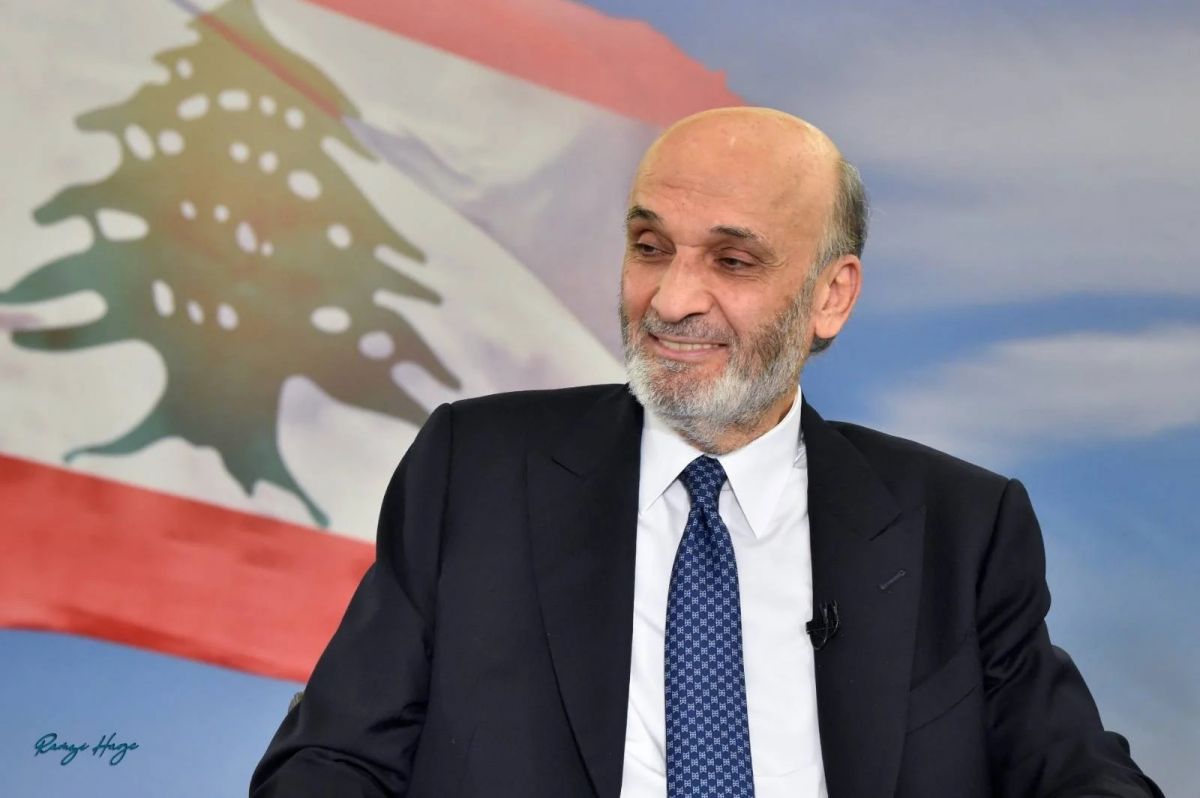
The leader of the Lebanese Forces, Samir Geagea. (Credit: LF)






The head of the Lebanese Forces (LF), Samir Geagea, on Saturday accused leaders of the “axis of resistance” of “encouraging certain Palestinian factions” not to agree to hand over their weapons, even as the disarmament of Palestinian camps in Lebanon is expected to begin in mid-June.
According to information obtained last Friday by L’Orient-Le Jour from a source close to the Grand Serail, a mechanism has been put in place for the gradual removal of weapons from the Palestinian camps. This decision was announced during a visit to Beirut by Palestinian Authority President Mahmoud Abbas.
“Despite all the damage it has inflicted on Lebanon and its people — despite the death, destruction and devastation, despite the deterioration of financial, economic and living conditions — it seems that the axis of resistance continues to hinder the establishment of a true state in Lebanon,” Geagea said in a statement.

Pressure on certain political and security officials
“After President Mahmoud Abbas’s successful visit to Lebanon, and after his position helped the Lebanese authorities begin collecting all illegal weapons— starting with Palestinian weapons — and after the state set a clear timetable to begin collecting arms, specifically in the Palestinian camps in Beirut, and to continue in the coming weeks in the camps of northern and southern Bekaa, it has become clear that the leaders of the Moumanaa are inciting certain Palestinian factions to reject any form of disarmament,” he continued.
The LF leader also emphasized that the Moumanaa officials “are making rounds to certain Lebanese officials, including politicians and security figures, in order to pressure them and warn them against the consequences of initiating the withdrawal of Palestinian weapons.”
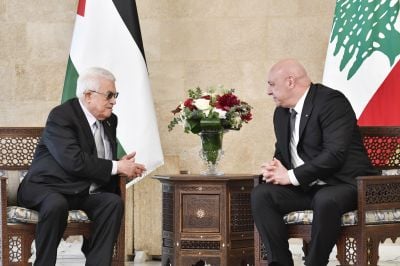
Samir Geagea also stated that “the competent authorities are urged not to back down one iota from the decision to collect illegal weapons, starting with the Palestinian camps in Beirut.” According to him, “any attempt to alter or manipulate this timeline would deal a fatal blow to the new mandate and to the government.”
Lebanese authorities have committed to asserting control over the entire national territory since the ceasefire in November between Hezbollah and Israel, following more than a year of hostilities linked to the war in Gaza. The Lebanese Army has deployed in southern Lebanon and is working to dismantle the military infrastructure of the group, which was the only faction to retain its weapons after the end of the civil war in 1990, but has emerged significantly weakened from its confrontation with Israel.
The Fatah movement in Lebanon responded
The leadership of Fatah in Lebanon reiterated Saturday its full commitment to the declaration issued following the summit between Palestinian President Mahmoud Abbas and his Lebanese counterpart Joseph Aoun. It added that the content of this declaration constitutes a “roadmap toward consolidating strong fraternal relations between the Lebanese and Palestinian peoples” and toward strengthening cooperation between the two countries.
“Based on the deep historic relations between the Lebanese and Palestinian peoples, and believing in the national and Arab role that Lebanon has always played in supporting the Palestinian cause and defending the rights of our people, Fatah in Lebanon affirms its willingness to strengthen and maintain these relations in order to serve the supreme national interest of the two brotherly peoples, ensuring security and stability in Lebanon,” the statement stressed. It specified that any position or statement outside this framework is condemned, as it does not represent the position of Fatah in Lebanon.

 7 p.m. recap: Houthis strike Riyadh airport again; Yemeni forces claim Bab al-Mandeb gains; Abbas postpones Palestinian polls