






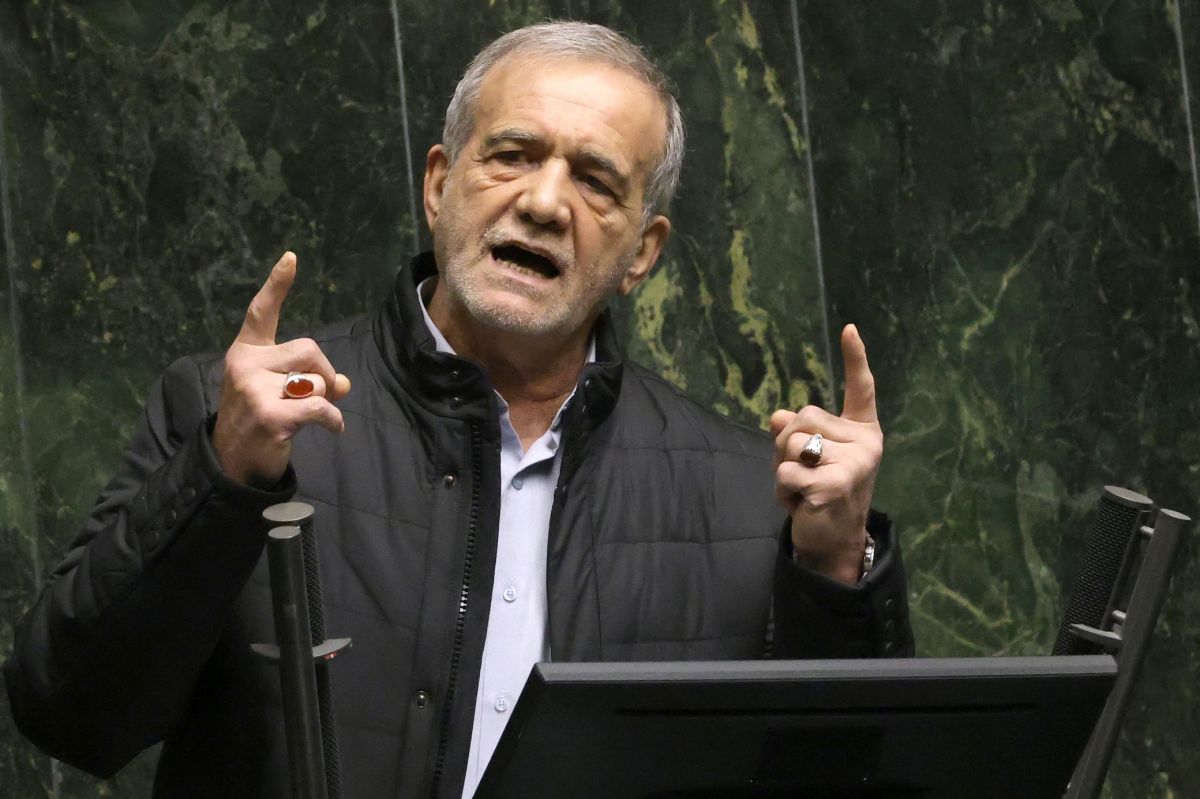
Iranian President Masoud Pezeshkian addressing members of Parliament in Tehran on March 2, 2025, during the impeachment proceedings of the country's finance minister. (Credit: Atta Kenare/AFP)






Iranian President Masoud Pezeshkian announced Sunday that his country rejects any direct negotiations with the United States in response to a letter from his American counterpart, Donald Trump, regarding the rapid advancement of Iran’s nuclear program.
His remarks, which could heighten tensions between the two nations, mark the first official acknowledgment of Tehran’s stance on Trump’s message. The U.S. president quickly confirmed this stance, responding with threats against Iran.
"While this response rejects the possibility of direct negotiations between the two sides, it makes clear that the path for indirect talks remains open," Pezeshkian said, according to The Associated Press. He added that any continuation of negotiations would depend on Washington’s "behavior," the official IRNA news agency reported.
During a government meeting, Pezeshkian insisted that "Iran has never shied away from dialogue, but broken promises from the other side have eroded trust, which must be restored." He reiterated that "while the response rules out direct talks, it keeps the door open for indirect negotiations" and that "the Americans’ actions will determine whether negotiations move forward," according to the same source.
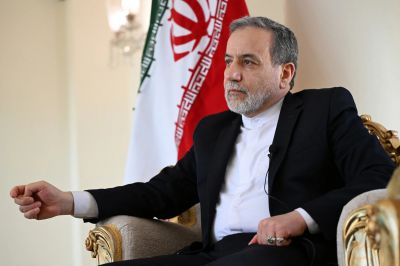
Trump threatens Iran with bombings and tariffs
Shortly after Iran’s announcement rejecting direct talks, Trump threatened Iran with airstrikes and "secondary tariffs" if Tehran failed to reach an agreement with the United States on its nuclear program.
"If they don’t make a deal, there will be bombings," Trump said in a phone interview with NBC, according to Reuters. "But it’s possible that if they don’t make a deal, I will impose secondary tariffs on them, like I did four years ago."
While not a technical term, "secondary tariffs" refer to financial sanctions imposed on countries that trade with a nation in conflict with the United States. In effect, the U.S. levies additional duties on these countries’ imports. Venezuela’s trade partners were recently targeted by such measures, facing an extra 25 percent tariff on goods imported into the United States, according to a separate announcement by Trump.
Trump sent a letter to Tehran on March 12 through an Emirati emissary. While its contents remain undisclosed, he said he urged Iran to engage in talks for a new nuclear deal while warning of military action if it refused.
Washington’s stance on indirect negotiations remains unclear. This format of dialogue — used intermittently since the U.S. withdrew from the 2015 Iran nuclear deal under Trump — has so far failed to produce results.
Iran, which is now enriching uranium close to weapons-grade levels, continues to assert that its nuclear program is peaceful, despite increasingly confrontational rhetoric from some officials. The tensions come amid U.S. sanctions and renewed hostilities in the Gaza Strip.
Since returning to the White House in January, Trump has repeatedly vowed to prevent Iran from acquiring nuclear weapons. A February report from the International Atomic Energy Agency confirmed an acceleration in Iran’s production of highly enriched uranium.
