






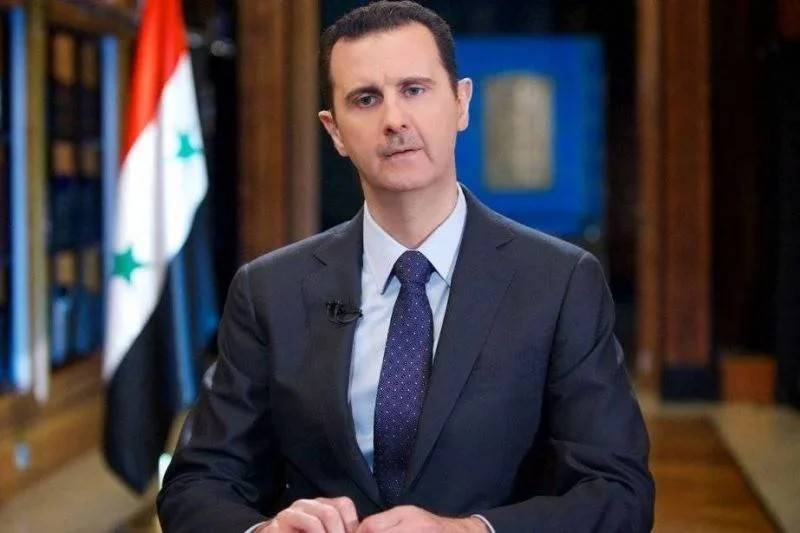
Former Syrian President Bashar al-Assad. (Credit: AFP archive photo)






The Israeli newspaper Yedioth Ahronoth reported Friday that ousted Syrian President Bashar al-Assad canceled a last-minute meeting with former Mossad chief Yossi Cohen in Moscow in 2019. The meeting was reportedly planned to negotiate a secret deal, where Assad would halt arms transfers to Hezbollah in Lebanon in exchange for lifting sanctions on his regime.
Messages through 'Musa'
Following the collapse of Assad's regime, messages addressed to Syria from Israel allegedly came to light. These messages were signed by "Musa," a pseudonym referring not to an individual but a team within the Israeli Military Intelligence Directorate. The team allegedly communicated with Assad's officials over the years via WhatsApp, using both threats and incentives. They also coordinated a potential meeting between Assad and Cohen, which Assad ultimately canceled.

According to Yedioth Ahronoth, Israel engaged in covert activities to establish communication channels with Assad and his circle, including through "Musa's" messages sent to Damascus. These messages aimed to deter arms transfers to Hezbollah, with the promise of sanction relief.
The WhatsApp messages remained confidential until rebel forces seized an intelligence facility storing copies of these communications Yedioth Ahronoth claimed. The rebels published the messages online, sparking speculation about Russian-Israeli cooperation against Assad — claims dismissed by the report. According to Israeli sources speaking to Yedioth Ahronoth, the messages had four main objectives:
- Demonstrating Israel's ability to access Assad regime officials' phones.
- Highlighting the regime's vulnerability and inability to hide its actions.
- Explaining the precision of Israeli operations in Syria.
- Threatening continued strikes on arms shipments and their handlers.
The goal was to convince Assad that his alliance with Iran and Hezbollah had become a liability rather than an asset.
Israel concluded Assad could not be 'relied upon as a strategic partner'
In addition to the WhatsApp communications, Israel reportedly explored other secret channels to reach Assad, including U.S.-mediated efforts via the UAE and Oman. The aim was to offer Assad incentives, such as lifting sanctions and restoring international legitimacy, in return for severing ties with Iran and Hezbollah. However, Assad consistently refused, and Israel concluded he could not be relied upon as a strategic partner.

The report highlighted Assad's apparent shift in response to regional developments. Since the Oct. 7 attacks on Israel and the region's escalation toward a broader war, Assad avoided direct involvement and prevented Hezbollah from launching operations from the Golan Heights. Over the past six months, he tolerated increased Israeli strikes on Iranian and Hezbollah assets in Syria, signaling a possible change in his stance.
The report by Yedioth Ahronoth also explored the evolution of Israeli intelligence operations in Syria. It noted that Hafez al-Assad, Bashar’s father, adjusted Syria's military strategy following the Gulf War, prioritizing missile development over conventional forces.
Despite initial Israeli hopes that Bashar, with his Western education, would pursue reform, these expectations were quickly dashed as Syria deepened its alliance with Iran under the influence of Qassem Soleimani, the Iranian Revolutionary Guard Corps (IRGC) commander killed in a U.S. drone strike in Iraq on Jan. 3, 2020.

