


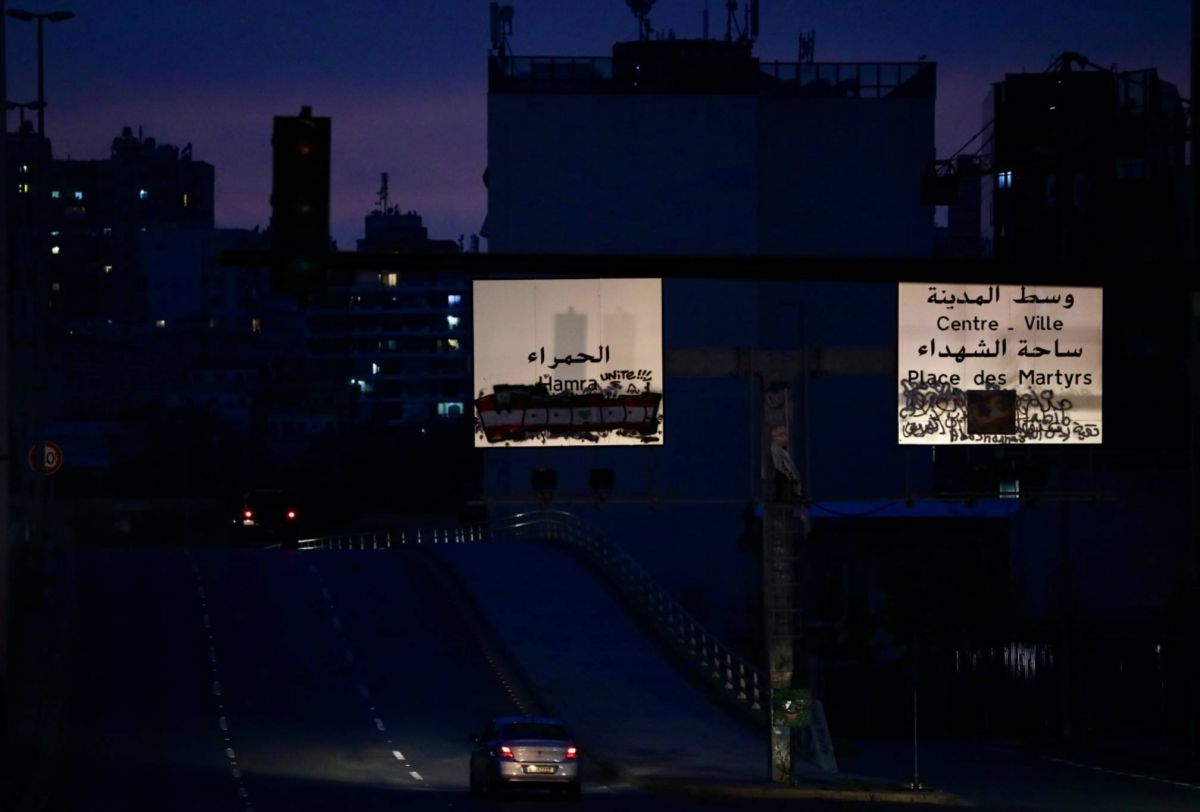
The Ring highway plunged into darkness in Beirut, January 2022. (Credit: Matthieu Karam/OLJ)






Since Saturday, the Lebanese have had to rely almost entirely on private generators for electricity. On that day, the public utility, Electricité du Liban (EDL), announced that it had shut down all units of its thermal power plants after exhausting its fuel stocks, having not received the latest shipment expected under the swap agreement that has linked Lebanon to Iraq since 2021.
Since then, reactions and announcements have followed, contrasting with the silence that prevailed despite EDL’s warnings in early July of this risk.
Caretaker Prime Minister Najib Mikati has requested that the Central Inspection Bureau investigate this forced shutdown. On Sunday, Algeria promised to supply Lebanon with fuel, and contacts are underway to ensure this promise is fulfilled, according to caretaker Energy Minister Walid Fayad, who we contacted.
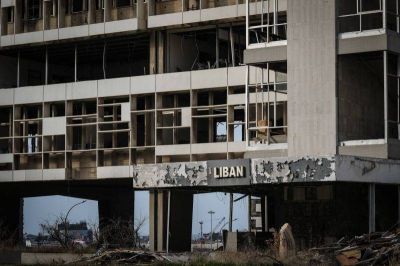
Additionally, on Monday, the Iraqi government denied "rumors that Iraq had stopped supplying fuel to Lebanon," attributing the delay in the latest delivery to "technical and logistical reasons." Fayad and Mikati also met on Monday at the Grand Serail to discuss the latest developments and future steps.
Here’s what EDL subscribers should expect in the coming days:
Limited Power Supply for a Week
Following the announcement of the blackout, Fayad revealed that about "5,000 kiloliters" of fuel from southern Lebanon's oil tanks would be transferred to the Zahrani power plant, one of four thermal plants on the Lebanese coast. This fuel was lent to EDL, as noted by the minister during his meeting with the head of government. According to EDL and Ziad al-Zein, director of these facilities, the transfer has already been completed. EDL reports that it has restarted one of Zahrani's production units, deploying 50 to 80 megawatts to the grid, in addition to the 80 MW that the Litani National Authority is expected to have been deploying for the past 10 days. This power will primarily supply vital infrastructure such as ports, airports and water facilities, with subscribers likely receiving no benefit except for those fortunate enough to be connected to the same lines as these infrastructures.
In a five-phase recovery plan shared with us over the weekend, Fayad hoped that EDL would be able to operate 300 MW in total with the fuel from the oil facilities. "The supplier had to reduce capacity to last longer, but it is not impossible that EDL could provide one or two hours of power to residents in rotation over the next few days," he added. During his meeting with Mikati, the minister mentioned that the fuel transfer from the oil facilities had been delayed until the weekend due to "bureaucratic obstacles" that his ministry worked to overcome.
During this period of extremely limited power production, it is very likely that some generator owners will decide to ration power production, although no such announcements have been made yet. An operator in Metn, who is part of an association with several colleagues, indicated anonymously that "it is unthinkable that generators run non-stop for a week" without further details. Another operator in Baabda, also wishing to remain anonymous, assured that he "will do his best not to cut power during these few days," hoping for a swift resolution to the crisis. In Kesrouan, a resident expressed surprise that the generator owner they rely on has not yet cut the power. The minister has urged operators to minimize rationing when generators need rest — fuel imports to the country had continued normally until at least the previous week, according to the Fuel Importers Association (APIC). Lebanese have endured long months during these five years of crisis with only one or two hours of power from EDL each day due to the supplier's existing difficulties in procuring fuel.
Delivery of the Chem Helen
The minister is counting on the swift implementation of the third phase (all measures mentioned so far correspond to the first two) to limit this period of scarcity. According to him, the Chem Helen, a tanker carrying 30,000 tons of Egyptian diesel purchased on the spot market (fuel that can be used by either the Zahrani or Deir Ammar power plant in northern Lebanon), is expected to arrive off the Lebanese coast by Aug. 24 (next Saturday) and unload its cargo within two days. EDL would then be able to operate 600 MW, over one-third of its capacity, according to forecasts. However, even at full capacity, EDL does not produce enough power to supply the entire country 24/7. According to marinetraffic.com, the tanker was off Alexandria around 7 p.m. on Monday. The purchase of this cargo was approved by the Cabinet during its meeting last Wednesday.
The fourth phase involves receiving 60,000 tons of fuel under the Iraqi swap agreement in September. The minister stated that SOMO (State Oil Marketing Organization) is scheduled to load crude oil on Aug. 24, which will then be exchanged for refined oil provided by a third party under the mechanism established by the agreement between Lebanon and Iraq. This stock will allow EDL to maintain its production level once Chem Helen has unloaded its cargo.
Finally, Phase 5 would become active in November "if all goes well," according to the minister, relying on the resumption of monthly Iraqi fuel deliveries under the swap agreement and the restart of some production units at the other two thermal plants located on the coast at Jiyyeh (Chouf) and Zouk (Kesrouan).
This article originally appeared in French in L'Orient-Le Jour.

 7 p.m. recap: Netanyahu seeks mastermind behind Flydubai incident; Washington sanctions 2 French nationals; Ben Gvir's 'I want to kill you' threat