


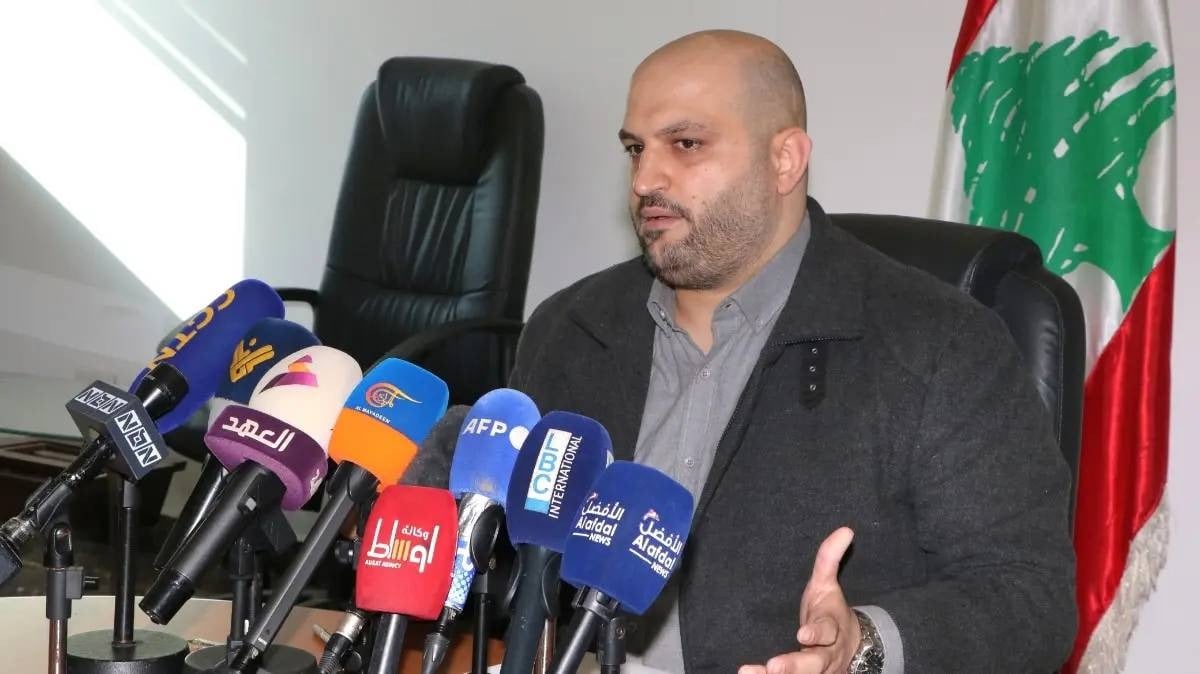
The Minister of Health Rakan Nassereddine during a press conference, March 3, 2026. (Credit: NNA)






NORTH LEBANON — Health Minister Rakan Nasreddine on Tuesday ordered an "immediate and direct" investigation into the death of Hadi Shreiteh, a young man from Akkar who died Monday following a road accident after allegations that several hospitals refused to admit him, delaying his treatment. The ministry said it would not tolerate any negligence or violations uncovered by the investigation.
According to our North Lebanon correspondent Michel Hallak, Shreiteh was critically injured after being struck in an accident that occurred overnight Sunday into Monday on the Doussa road in Akkar. He was initially transported to the al-Youssef Hospital Center in Halba, before being airlifted to Beirut in a military helicopter due to the severity of his injuries. He died shortly afterwards.
It later emerged that several university hospitals had allegedly refused to admit him before he was transferred to Beirut, raising questions over whether delays in his treatment contributed to his death.
The allegations sparked widespread outrage on social media, where many users accused the hospitals of failing the young man and called for a thorough investigation and the prosecution of anyone found responsible. Many also renewed calls for the establishment of a university hospital in Akkar or North Lebanon capable of treating critically injured patients, arguing that residents should not have to travel to Beirut to access life-saving care.
L'Orient-Le Jour contacted al-Youssef Hospital Center, but they were unavailable for comment.
In a statement, Nasreddine instructed the directorate of medical care to investigate the incident "as soon as possible" and submit its findings and recommendations. According to the ministry, investigators have begun collecting testimonies from those involved and reviewing medical and administrative records to determine, "with full transparency and accuracy," whether established procedures were followed.
The case comes as Lebanon's health care system, weakened by the country's economic collapse since 2019, continues to struggle with mounting financial pressures and a growing number of patients without health insurance.

 1 p.m. recap: Salam in Nabatieh; up to 10,000 more US troops heading to Middle East