


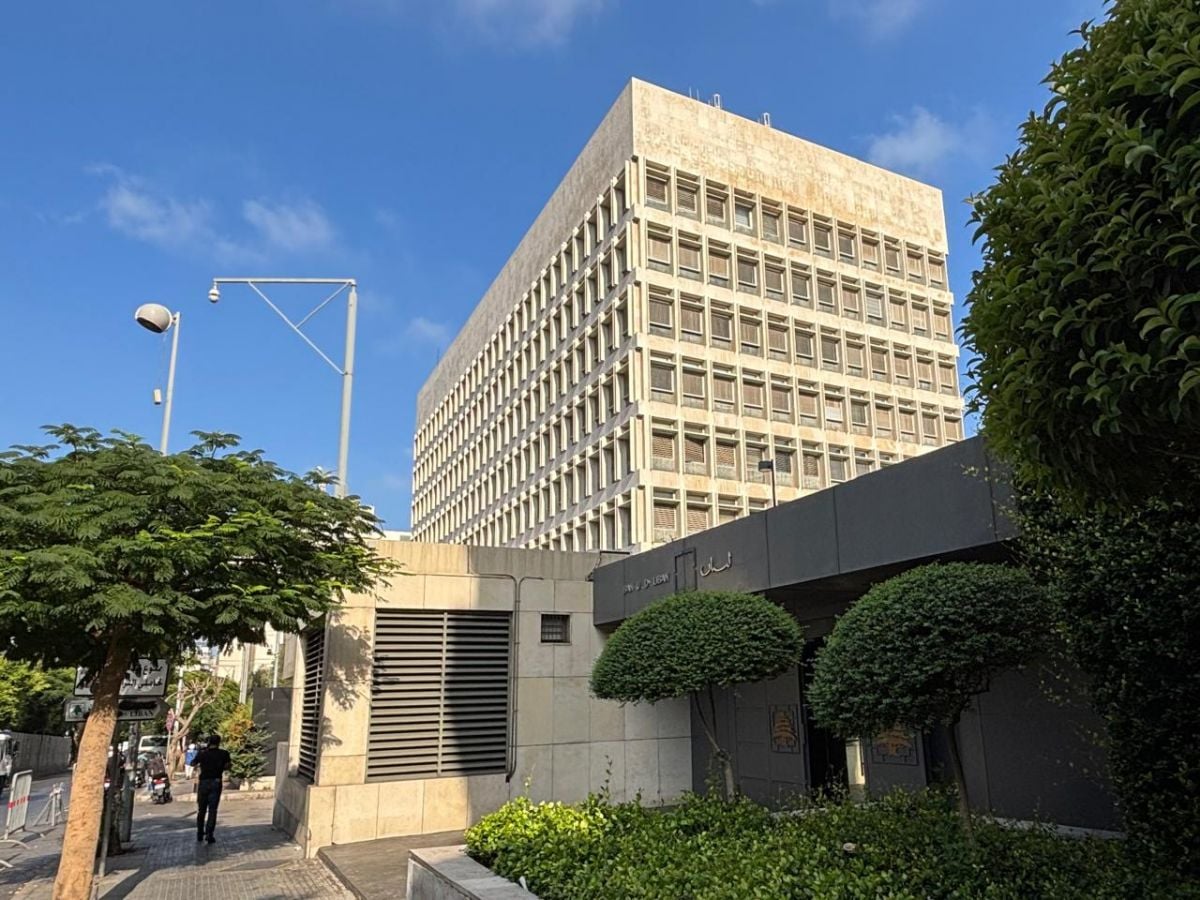
The headquarters of Banque du Liban in Hamra, on Aug. 22, 2025. (Credit: P.H.B./OLJ)






BEIRUT — Lebanese American depositors whose class-action lawsuit against Banque du Liban (BDL) and several Lebanese banks was dismissed on April 30 by a U.S. federal court plan to appeal the decision, one of the plaintiffs, Ramzi Zibawi, told L’Orient-Le Jour.
Karim P. Najjar, a Byblos Bank client expatriated in the United States, initially filed the lawsuit in April 2024, before being joined in July by other depositors, including Zibawi, who were illegally denied access to their funds in Lebanese banks after the financial system collapsed in 2019.
The case was dismissed by Judge Christine P. O’Hearn of the U.S. District Court for the District of New Jersey. In a statement, BDL said the court had dismissed “the case against the central bank in its entirety,” finding that the institution was protected by sovereign immunity under the Foreign Sovereign Immunities Act (FSIA).
According to BDL, the court found that the central bank had acted “in its capacity as Lebanon’s sovereign central bank and banking-sector regulator,” and had not engaged in commercial activity that would allow an exception to sovereign immunity.

But the plaintiffs argue that BDL was not merely acting as a sovereign regulator, but had entered into commercial activity by “colluding” with Lebanese commercial banks to attract fresh deposits from abroad at a time when its reserves were dwindling, Zibawi explained.
“[Former BDL governor] Riad Salameh asked [the banks] to work for him. They solicited us and got the deposits. This amounts to an act of commercial activity,” Zibawi said. “Unfortunately, the judge did not see it that way.”
The appeal is expected to be filed within 30 days.
A real estate investor, Zibawi said he had no money in Lebanese banks before 2019. In September of that year, only weeks before the crisis erupted, he was solicited by a local banker and ended up placing $1 million in a Lebanese bank — after being offered a high-interest deposit product paying roughly 11% over three years.
As for the commercial banks named in the lawsuit, Zibawi said their lawyers argued that the New Jersey court had no jurisdiction because the banks had no branches, employees, or business in the state.
The plaintiffs had filed the case under the U.S. federal law RICO, or the Racketeer Influenced and Corrupt Organizations Act, which Zibawi believes the court failed to properly take into account.
 Israeli army carries out demolition at Jabal Amel School in Houla as strikes continue