



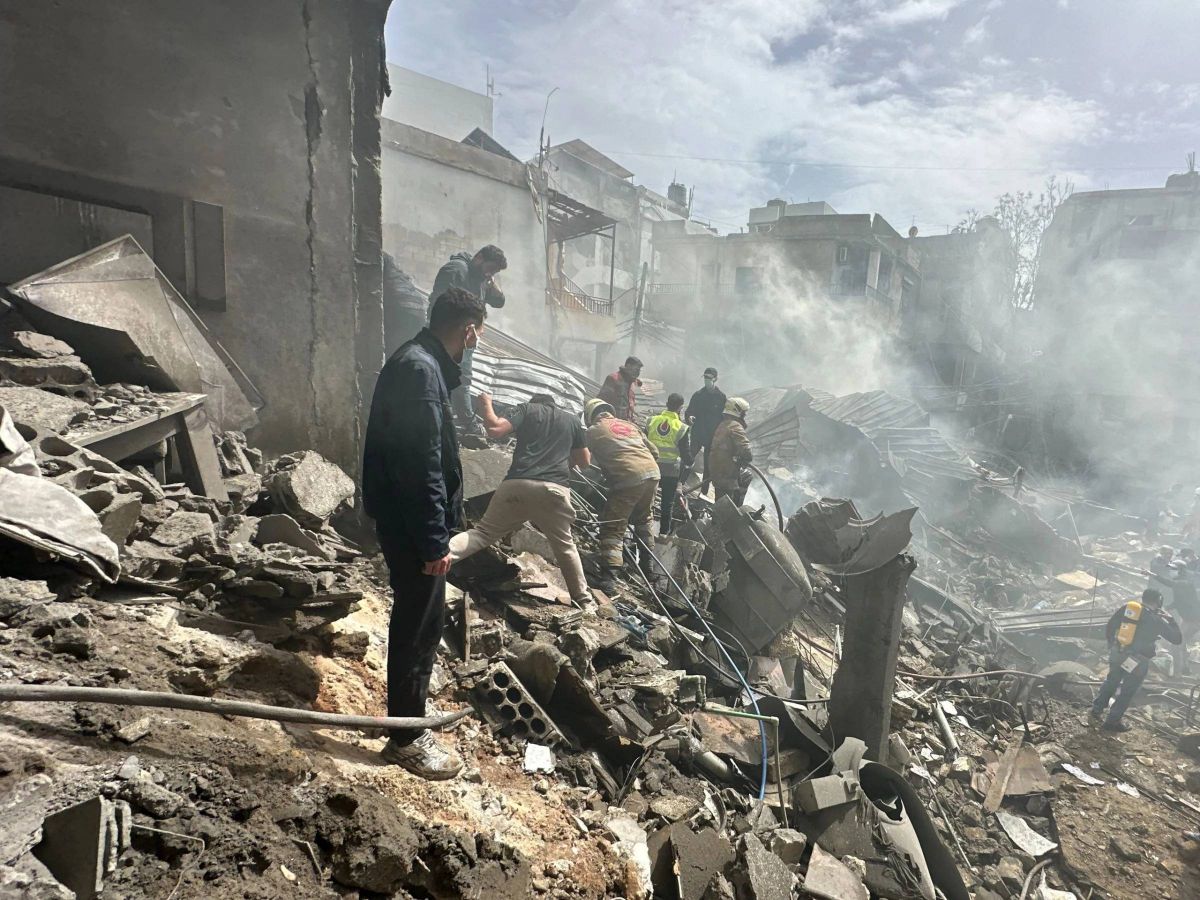
People and rescue workers stand atop the rubble of a building in Jnah completely destroyed by an Israeli strike, April 5, 2026. (Credit: Mohammad Yassine/L'Orient-Le Jour)






BEIRUT — Israel launched a series of strikes across Lebanon on Easter Sunday, targeting the Jnah neighborhood in southern Beirut and Ain Saade northeast of Beirut, as well as several areas in the South and the Bekaa.
Israeli attacks killed more than 39 people, including a Lebanese Forces official and his wife and an off-duty Lebanese soldier and his displaced family, according to preliminary tolls from the Health Ministry.
An unprecedented Israeli attack on Ain Saade (Metn), killed the head of the Lebanese Forces (LF) office in Yahshoush, Kesrouan, Pierre Moawad, LF MP Razi al-Hajj confirmed to L'Orient Today. Moawad's wife was also killed alongside another woman, and three women were wounded, according to the Health Ministry toll.
Moawad lived in an apartment on the second floor of the targeted building, while the strike targeted a resident on the third floor, according to L'Orient Today's information. The identity of that individual remains unknown. The Israeli army has not commented on the attack.
Tensions ran high at the scene following the strike. Videos circulating on social media showed a car being pelted with stones as it passed in front of the building, reportedly because the driver was seen filming what was happening.
Hezbollah official killed in Jnah
Earlier in the day, Israel targeted Beirut's southern suburbs with a wave of eight strikes shortly after noon. The most powerful one targeted a residential building in Jnah and killed five people, including a child, injuring 52 others, according to the Health Ministry.
The three-story building was located in a densely populated and working-class area opposite Rafik Hariri Governmental Hospital, which was notably not included in Israel's evacuation threats.
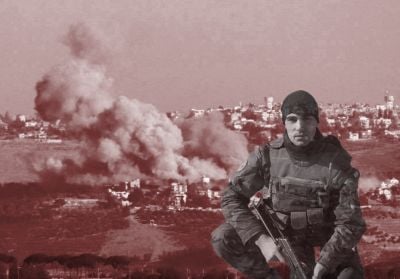
A Hezbollah military official, Yahya Hussein Msheimesh, was killed in the strike on the building, according to our correspondent and announcements among the group’s supporters. Msheimesh was from Kfar Sir (Nabatieh).
Pages close to Hezbollah mourned Msheimesh as a "senior jihadist commander," the same title used for Youssef Hashem, assassinated last Wednesday.
"This title is typically granted to members of the Jihad Council or leaders of strategic units," local news website Janoubia wrote.
Hashem was Hezbollah’s Iraq chief and Southern Front commander, and a veteran of Syria’s Deir ez-Zor battles. He was also blacklisted by the U.S. Treasury. He was killed in navy strikes while "in a meeting with other party officials in a tent," according to AFP.
Seven other strikes targeted neighborhoods in the southern suburbs, including an Amana petrol station and the Sayyid al-Shouhada complex, which is regularly used by Hezbollah for celebrations, commemorations, and funerals. The complex was damaged in the attacks.
Israeli attacks kill 6 members of a displaced family
In southern Lebanon, Israeli overnight strikes after 2 a.m. killed at least six members of the same family in the village of Kfar Hatta, east of the coastal city of Saida.
Among the victims was a 29-year-old Lebanese Army soldier from Saida, the military said. The army said it "mourns the loss of Corporal Hussein Ali Nahle, who fell in the line of duty on April 5, 2026, during an Israeli airstrike on the town of Kfar Hatta, near Saida." He was killed alongside five relatives after they had fled their home in Kfar Tibnit (Nabatieh). He is the seventh Lebanese soldier killed by Israel since fighting resumed on March 2.
The strikes mainly targeted a house, where six members of the Nahle family had taken shelter after fleeing Kfar Tibnit following the start of the war on March 2, our regional correspondent reported.
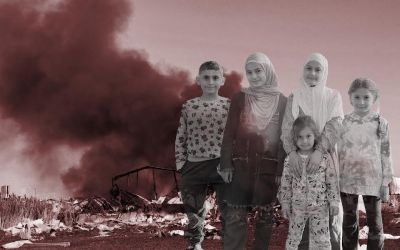
An official toll from the Health Ministry reported that the Israeli strike killed seven people, including a four-year-old girl. The victims were identified as Ali Nahle and his wife, Jamal Harb; their son, Hussein Nahle; their daughters, Rima and Roula Nahle; and Roula’s daughter, Amal Farran.
The Israeli attack triggered a new wave of displacement, with around 3,000 residents fleeing Kfar Hatta to Saida, where they were temporarily housed in displacement centers, according to our correspondent.
Israel strikes near the last bridge linking Sour to Saida
Other Israeli strikes across southern Lebanon on Sunday also caused casualties.
At least three people were killed and several others wounded in an overnight strike on the village of Siddiqine (Sour), according to an initial toll from the Health Ministry.
Ali Hassan Awada, a member of the Amal Movement, was killed in a strike on the village of Shaqra (Bint Jbeil), and five others were wounded. Also in the Sour district, an Israeli strike on Batoulieh killed one person and another strike on Ain Baal wounded several others, rescue workers told our correspondent.
Additional Israeli strikes hit the main road in Beit Yahoun (Bint Jbeil) cutting off traffic, as well as the towns of Zrarieh (Saida), Adsheet (Marjayoun) and the al-Jallahiyeh neighborhood in Khiam (Marjayoun).
Two strikes also hit near the Qasmieh-Burj Rahal bridge on the highway linking Sour to Saida, one of the last crossing points over the Litani River still usable and not yet destroyed by Israel.
The Masnaa border crossing, a vital crossing point between Lebanon and Syria, which had been threatened by Israel on Saturday night, was not bombed. The U.S. reportedly requested that Israel spares the crossing from its attacks, according to Israeli media reports.
Israeli artillery fire also targeted the villages of Mansouri and Byout al-Siyyed (Sour), as well as Kounin (Nabatieh).
Israeli attacks across Lebanon have killed at least 1,461 people and injured 4,430 others since March 2, the Health Ministry reported.
For its part, Hezbollah claimed at least 26 attacks on Israel and Israeli invading troops and vehicles, particularly in Shamaa (Sour) located 7 kilometers from the border, Aidata (Bint Jbeil), and Khiam (Marjayoun). The party also claimed an attack on an Israeli warship earlier in the day, the first such claim since the war began.
