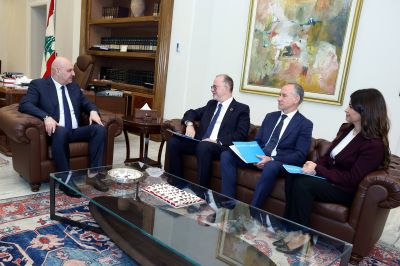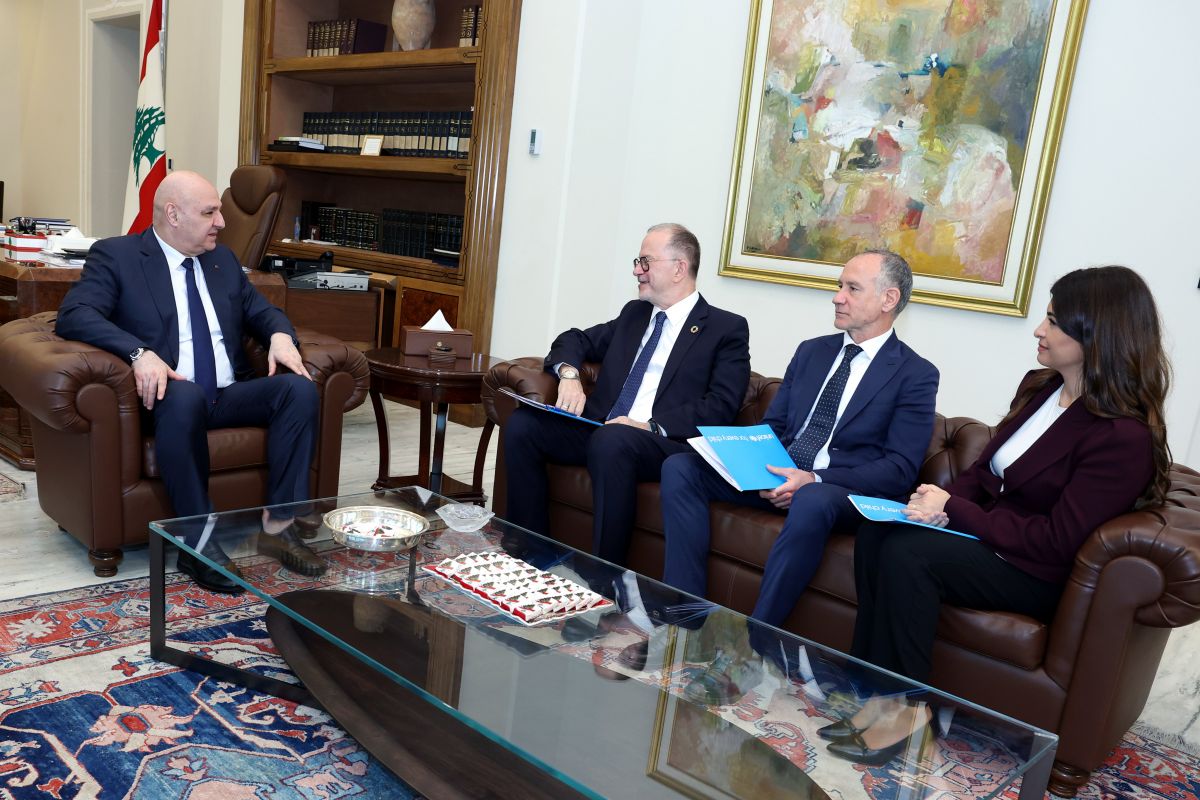
President Joseph Aoun welcomes a UNICEF delegation on March 18, 2026, at the Baabda Presidential Palace. (Photo provided by the Lebanese Presidency)






Israel has killed or injured the equivalent of a classroom of children per day since it began its offensive against Lebanon two weeks ago, denounced UNICEF Deputy Executive Ted Chaiban.
According to figures from the Lebanese Health Ministry, Israel has killed at least 111 children and injured 334 others across Lebanon since March 2, with a total death toll of 912 and 2,141 injured, according to the latest report published by the ministry on the evening of March 17.
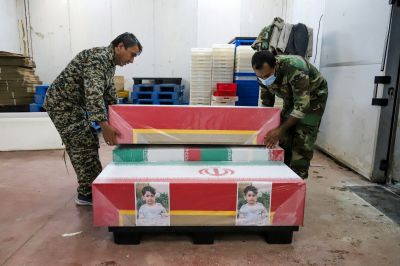
"This is the equivalent of a classroom of children every day, since the start of the war, who are being killed or injured in Lebanon," said Chaiban, according to Reuters, which noted that more than 200 children have also been killed in Iran, including during a U.S. attack against a girls' school in the south of the country.
These children "have paid a terrible price, and the first thing we are asking for is de-escalation, a political resolution to this war," added Chaiban, who was welcomed Wednesday at the Baabda Presidential Palace by President Joseph Aoun alongside the UNICEF representative in Lebanon, Marcoluigi Corsi.
During the meeting, Chaiban stated that UNICEF "will stand by Lebanon, particularly during the difficult circumstances the country is going through," according to a statement from the Lebanese presidency. The statement also denounced violations of international humanitarian law committed by Israel during this war, which prohibits targeting civilians, civilian infrastructure, and first responders.
Chaiban also praised the emergency plan implemented by the government, expressing his regard for the positions adopted by Aoun to address the current situation while preserving Lebanon's sovereignty, security, and stability. He also discussed the aid provided by UNICEF and the efforts made to ensure its continuity, commending the role of the Lebanese diaspora worldwide in funding these efforts.
This UNICEF visit comes in a context marked by the near-total halt of public school activities, many of which have been requisitioned to serve as temporary shelters for displaced families. In addition to more than two weeks of escalation, more than one million people, including about 350,000 children, have been displaced in Lebanon following mass displacement orders targeting the entirety of Beirut's southern suburbs and hundreds of localities in southern Lebanon and the Bekaa.