






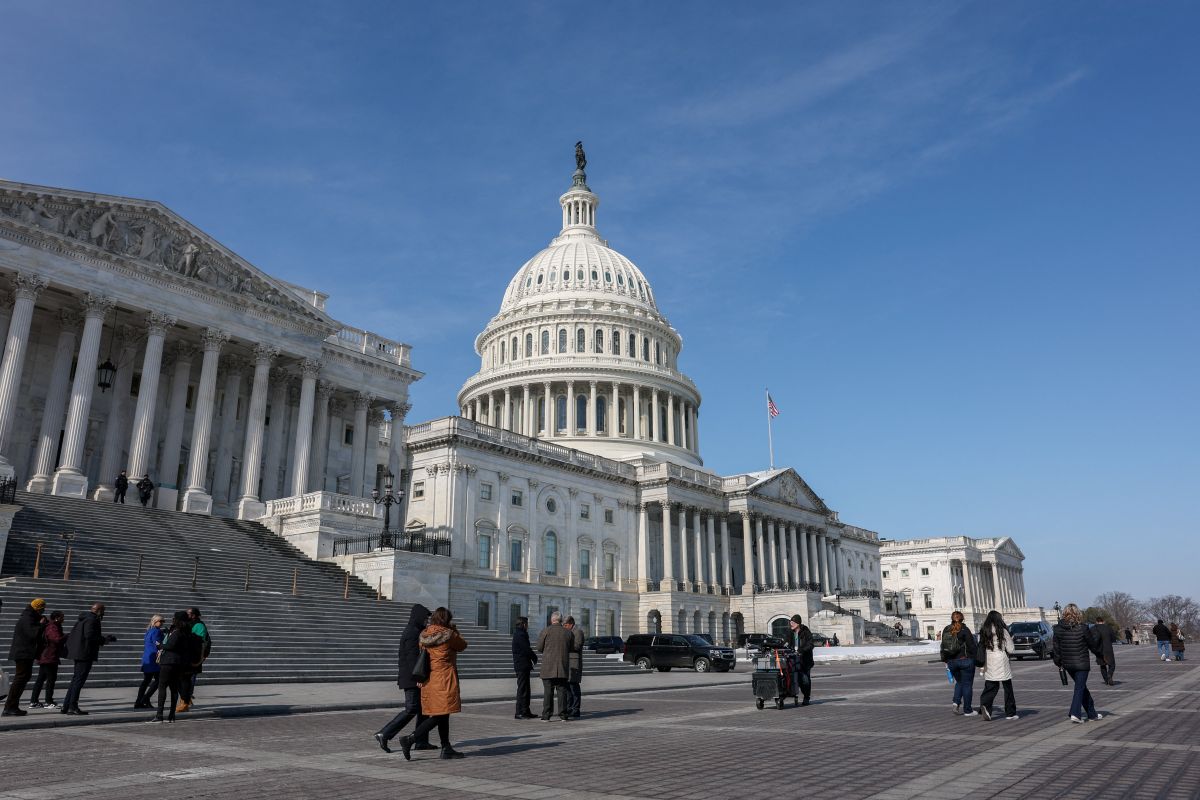
People walk near the U.S. Capitol building in Washington, D.C., U.S., Feb. 4, 2026. (Credit: Kylie Cooper/ Reuters)






A bill calling for the United States to impose sanctions on individuals undermining "the integrity of the electoral process in Lebanon" was introduced Monday, Feb. 2, in the U.S. House of Representatives.
The sponsor of this proposed legislation, titled the "2026 Lebanon Elections Integrity and Diaspora Vote Protection Act," is California Rep. Darrell Issa, who is of Lebanese descent. He is notably supported by another Republican congressman of Lebanese origin, Rep. Darin LaHood of Illinois.
The bill proposes various sanctions — including asset freezes, bans on financial transactions with the U.S., or visa restrictions — against "any person or foreign entity deemed responsible for obstacles, manipulations, or delays in organizing Lebanese elections."
The listed offenses include "intimidation of voters," "manipulation of election administration," and "obstructing reforms to allow diaspora voting," which the bill argues would affect "the conduct of free and fair elections, a pillar of Lebanese sovereignty," especially as 152,000 expatriates have registered to vote in the upcoming elections.
The legislation specifically points to "Hezbollah and other armed groups," "corrupt political elites" in Lebanon, and "foreign actors that have historically exerted undue influence on Lebanon’s political processes." It seeks to have the U.S. president apply the same range of sanctions currently used under the U.S. Treasury’s legal framework for international sanctions, which already affect many Lebanese nationals accused of links to Hezbollah activities.
Still subject to review in various House committees before a first reading vote, this bill remains at an early stage in the U.S. legislative process. The next Lebanese parliamentary elections have been officially scheduled for May 3 for the diaspora and May 10, 2026, for residents, as announced last month by the Interior Ministry. A "technical postponement" of several months, however, may still occur.
Some politicians want to amend this provision so emigrants can vote for all 128 parliamentary seats, criticizing a proposal to reserve only six seats for the diaspora as a move to dilute their impact on Lebanon’s political balance. Other parties, such as Hezbollah, the Amal Movement, and the Free Patriotic Movement, oppose such an amendment. Parliament Speaker Nabih Berri, also the head of the Amal Movement, has so far refused to bring the issue up for a vote in Parliament.

 8 p.m. recap: Israel again threatens Beirut’s south suburbs; 2 ships hit near Hormuz; Riyadh football matches canceled