






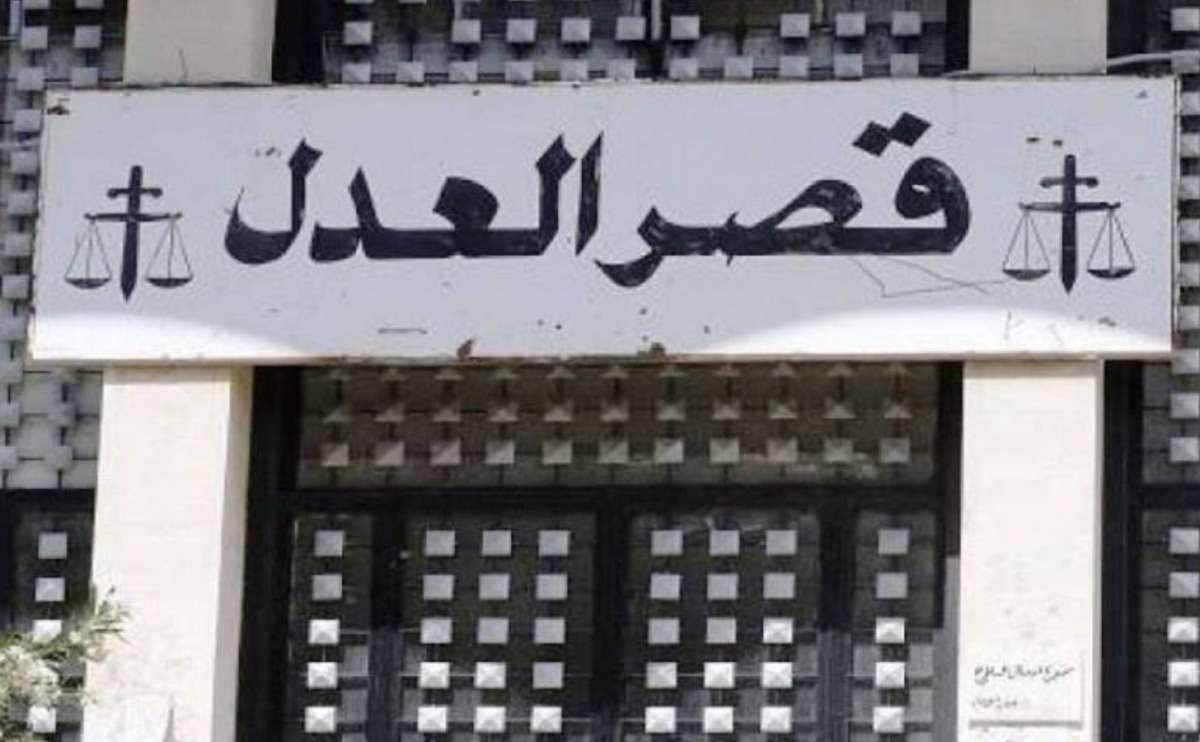
The Baabda Palace of Justice. (Credit: Illustration photo NNA)






Court staff in Lebanon announced Friday they will extend their strike next week, from Monday, Feb. 2 through Friday, Feb. 6, demanding higher wages and improved working conditions.
In a statement released after Parliament adopted the 2026 budget a day earlier, court employees said the strike would apply to all judicial activity “with the sole exception of processing detainee files and cases on the final day of legal deadlines.”
The statement sharply criticized lawmakers, repeating the phrase, “No, this is not right,” as it restated the judicial assistants’ demands.
The strike, which coincides with a separate walkout launched last week by the Judges’ Club, has already led to the postponement of several high-profile hearings, including that of former central bank governor Riad Salameh in the Forry case.
“For three weeks, we have been shouting at the top of our lungs: no, this is not right,” the statement said. It accused lawmakers of offering “promises without credibility, baseless figures, and decisions without any commitment or accountability” during the budget vote.
“You have passed a budget that in no way resembles a state budget,” the statement added, calling it a document marked by “clientelism and disguised transactions.” It warned that “justice is the last pillar preventing this country’s collapse.”
“You want neither an effective justice system nor a just state,” the statement said, urging authorities to “bring justice back to the halls of justice, to judges and to judicial assistants before total collapse.”
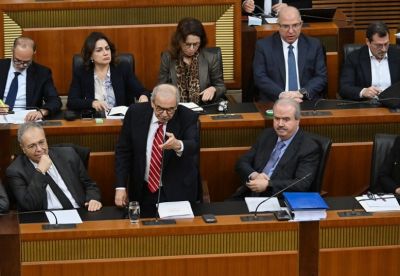
Last week, alongside debate on the budget bill, the Judges’ Club called on magistrates to strike across all courts and judicial administrations. The group said the action aimed to secure better salaries for judges and court staff and to provide basic logistical support for the judiciary.
Judges have repeatedly warned that their wages have been severely eroded by Lebanon’s economic crisis since 2019 and the collapse of the Lebanese pound. They have also raised concerns about deteriorating working conditions, citing court buildings and offices that lack water, electricity and basic supplies.
Public sector wages have been a major point of debate in Parliament this week. Some lawmakers argued that passing a budget without adjusting salaries was unacceptable, while others said wage increases should follow public service reforms because of overstaffing.
The final version of the 2026 budget has not yet been made public. The Finance Committee said the government’s draft was marked by “improvisation” in its fiscal measures and “excessive austerity,” requiring corrections and the reallocation of funds.

 8 p.m. recap: Israel again threatens Beirut’s south suburbs; 2 ships hit near Hormuz; Riyadh football matches canceled