





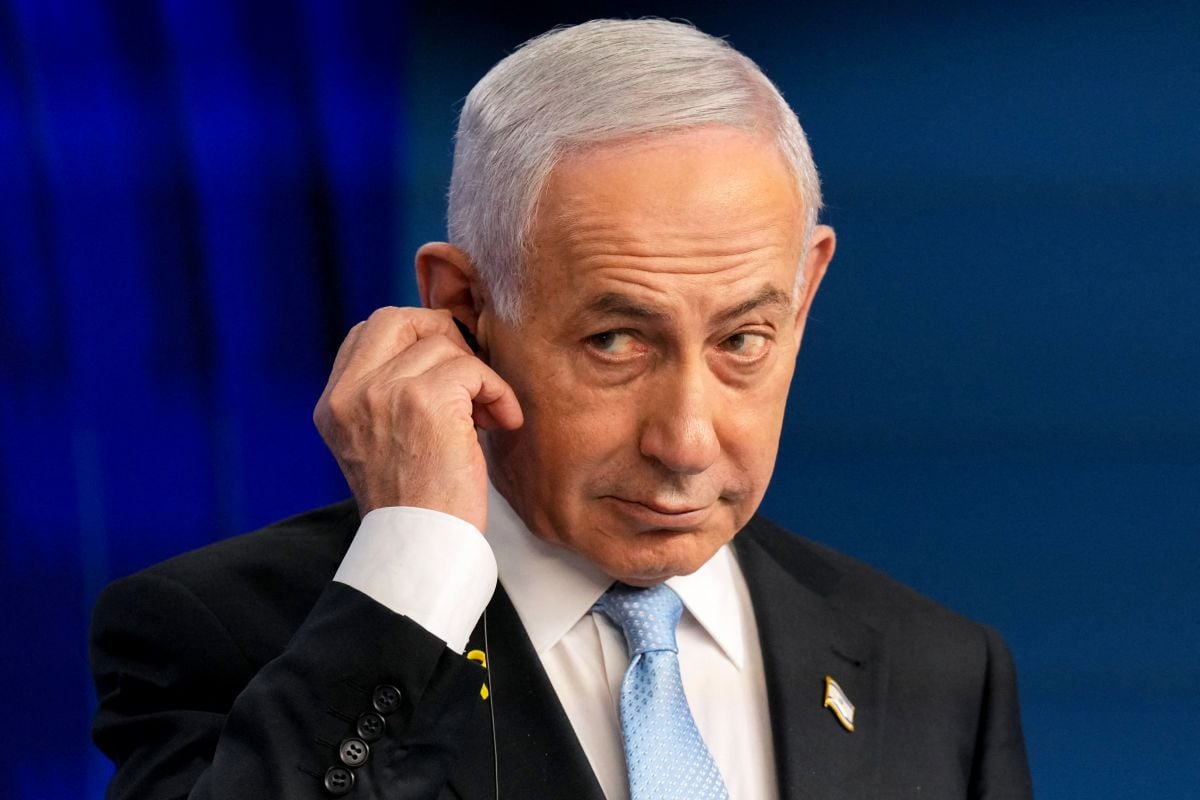
Israeli Prime Minister Benjamin Netanyahu, during a joint press conference with German Chancellor Friedrich Merz (out of frame), in Jerusalem, on December 7, 2025. Photo Ariel Schalit / POOL / AFP






Israeli Prime Minister Benjamin Netanyahu's office on Tuesday labeled the reports published Monday by the pan-Arab daily Al-Sharq Al-Awsat as fake news, claiming that "he had refused to sign" a security agreement with Syria last September.
"This report is pure fake news," his office stated, as reported by Israeli media. "There were indeed contacts and meetings under the auspices of the United States, but the discussions never reached the stage of agreements or understandings with Syria," the statement added.
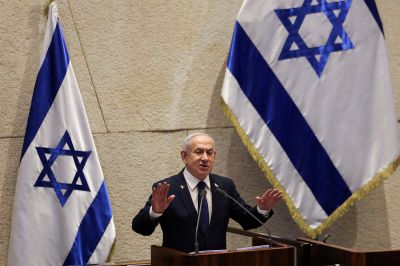
According to Al-Sharq Al-Awsat, Syria is again turning to the United States to establish a security agreement with Israel, following the country's "initial refusal."
"U.S. mediation between Damascus and Tel Aviv enabled both parties to reach a written security agreement, which was to be signed on the sidelines of the United Nations General Assembly meetings last September — attended by [Syrian President] Ahmad al-Sharaa — but which Netanyahu refused to sign," the daily said, quoting "well-informed" anonymous sources.
Citing several sources close to the discussions, Reuters reported in late September that efforts to conclude a security pact between the two countries stalled "at the last minute" due to Israel's demand to open a "humanitarian corridor" to Syria's southern province of Sweida.
Israel — home to a Druze minority of 120,000 people whose men serve in its army, unlike the other Palestinian citizens of Israel who are exempt from conscription — has repeatedly claimed it would protect this community, which is also present in Syria's Sweida, and has carried out military strikes in Syria under the pretext of defending them.
Syria, for its part, is looking to reach an agreement that would secure the withdrawal of Israeli troops from positions occupied in the demilitarized buffer zone in the occupied Golan Heights, following the ousting of Bashar al-Assad on Dec. 8, 2024, in violation of the disengagement agreement reached by both countries in 1974.
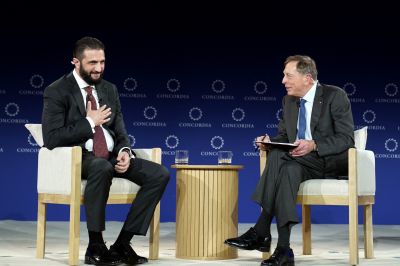
During an interview Saturday on the sidelines of his participation in the Doha Forum, Sharaa emphasized that all international actors support Damascus's request "to see Israel withdraw and return to the situation prior to Dec. 8," while Israel continues to carry out military operations east of the occupied Golan, including one on Nov. 28 in Beit Jinn at the far southern tip of Damascus governorate, which killed 13.
On Tuesday, another attack in the Quneitra region left three injured. "Negotiations are underway, and the United States is engaged with us ... to address legitimate security concerns and so that both parties can find themselves in a situation of security," he also said, adding with some irony: "It's Syria that is suffering Israeli attacks... so who should be the first to demand a buffer zone and a withdrawal?"

 Evening recap: Netanyahu announces West Bank offensive; 7 killed in Jordan church shooting; tents burned in south Lebanon
 US strike on Iran this weekend? ‘Absolutely,’ says Barrack; ‘I have no idea,’ says Trump