





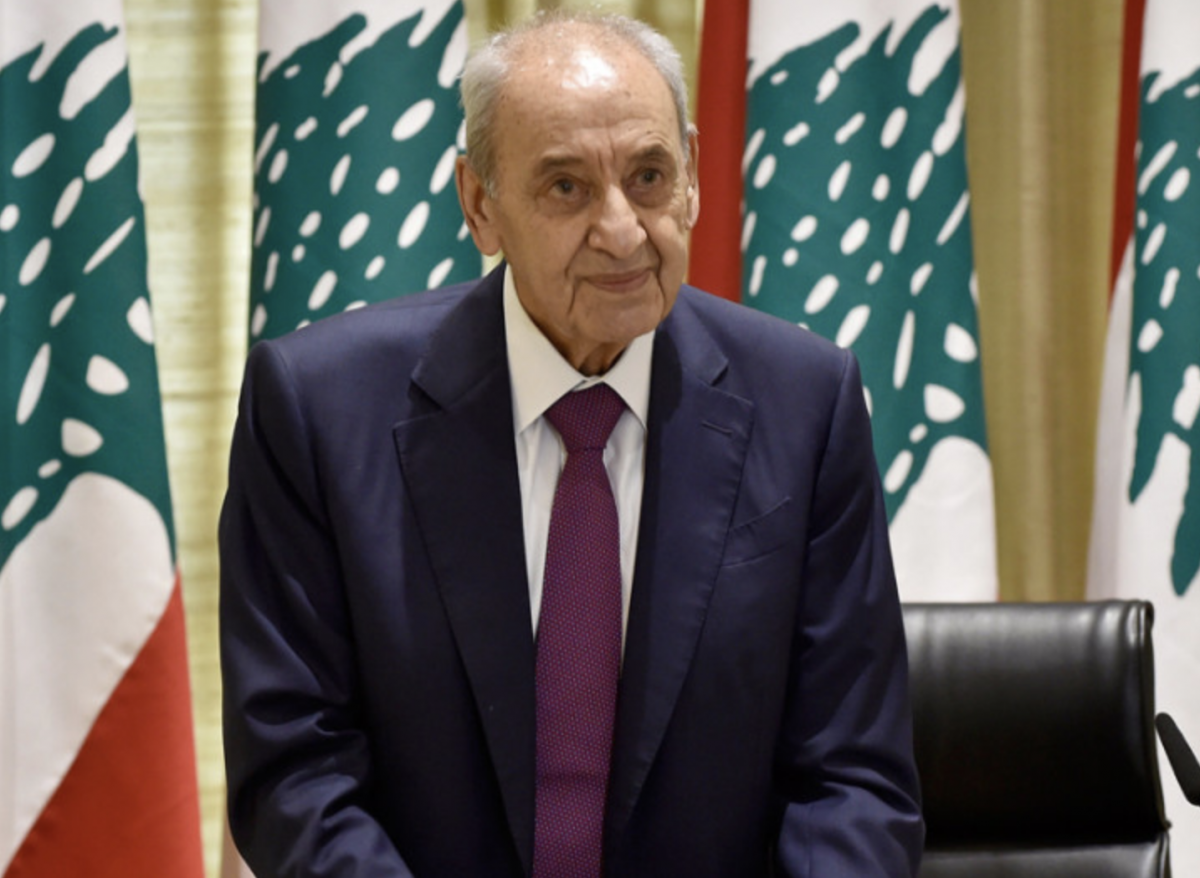
The Speaker of Parliament and leader of Amal, Nabih Berry. Photo published by the daily al-Jamhouria.






BEIRUT — Parliament Speaker Nabih Berri reaffirmed that Lebanon’s parliamentary elections will be held “as planned” in May 2026, despite a growing dispute over the expatriate vote.
“The parliamentary elections will take place on the scheduled date. Nothing stands in the way or can prevent their organization,” Berri told the local daily Al-Joumhouria on Thursday. “We have an electoral law in effect, and the elections will be held on this basis. Those who wish to take part in the vote will just have to come to Lebanon.”
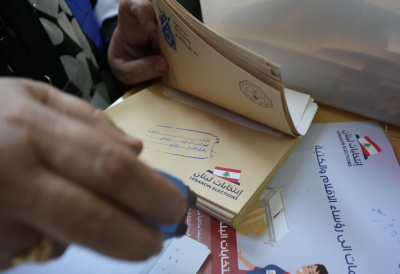
The question of expatriate voting has divided Lebanon’s political class for months, raising fears that Parliament could become paralyzed or that the elections might be delayed — or even held without the participation of the diaspora.
Several civil society groups and political parties have called for amending the 2017 electoral law to allow Lebanese abroad to vote in their country of residence for all 128 MPs, each within their original constituency. The Amal-Hezbollah alliance opposes such an amendment, favoring the retention of Article 112, which provides for a separate six-seat constituency for expatriates to be added to the existing 128 seats. That provision has never been implemented, and Article 112 has been temporarily suspended through previous amendments.
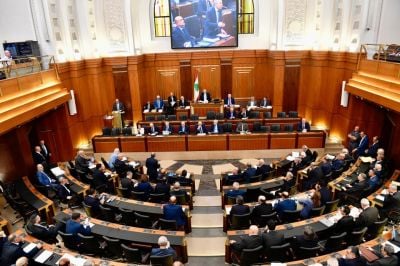
Berri’s comments align with a proposal from the Democratic Gathering bloc, affiliated with the Progressive Socialist Party (PSP), formerly led by Druze political leader Walid Joumblatt. The bloc has suggested suspending Article 112 while encouraging expatriates to return to Lebanon to vote, according to information obtained by L’Orient Today.
The parliament speaker’s remarks also came after the Foreign Affairs Ministry said earlier this week that it had submitted a bill to repeal Articles 112 and 122 of the electoral law, which the Cabinet is expected to discuss in an upcoming session.
‘Heading to Lebanon’
Asked about the cease-fire in Gaza and former U.S. President Donald Trump’s recent visits to Tel Aviv and Cairo, Berri said only that “something important has happened.”
“After the implementation of the first phase of the Gaza agreement, trust has not yet been established, but the next stages must be approached with great caution,” he said.
On Lebanon’s security situation, Berri said he was “not worried,” dismissing “alarmist scenarios predicting, without any real basis, an escalation or war on the Lebanese front.”

He noted that “all assessments indicate that the phase following the Gaza agreement is titled ‘Heading to Lebanon,’” describing this as the “most realistic” hypothesis, though he said no “concrete details” have yet emerged.
According to L’Orient Today’s information, Washington — taking advantage of the arrival of its new ambassador to Lebanon, Michel Issa — is reportedly preparing a new roadmap that would emphasize the need for direct negotiations between Lebanon and Israel on border demarcation and the withdrawal of Israeli forces from occupied Lebanese territory.

 7 p.m. recap: Iran warns Egypt, Israeli soldiers vote in south Lebanon, Haret Hreik responds to Kataeb