


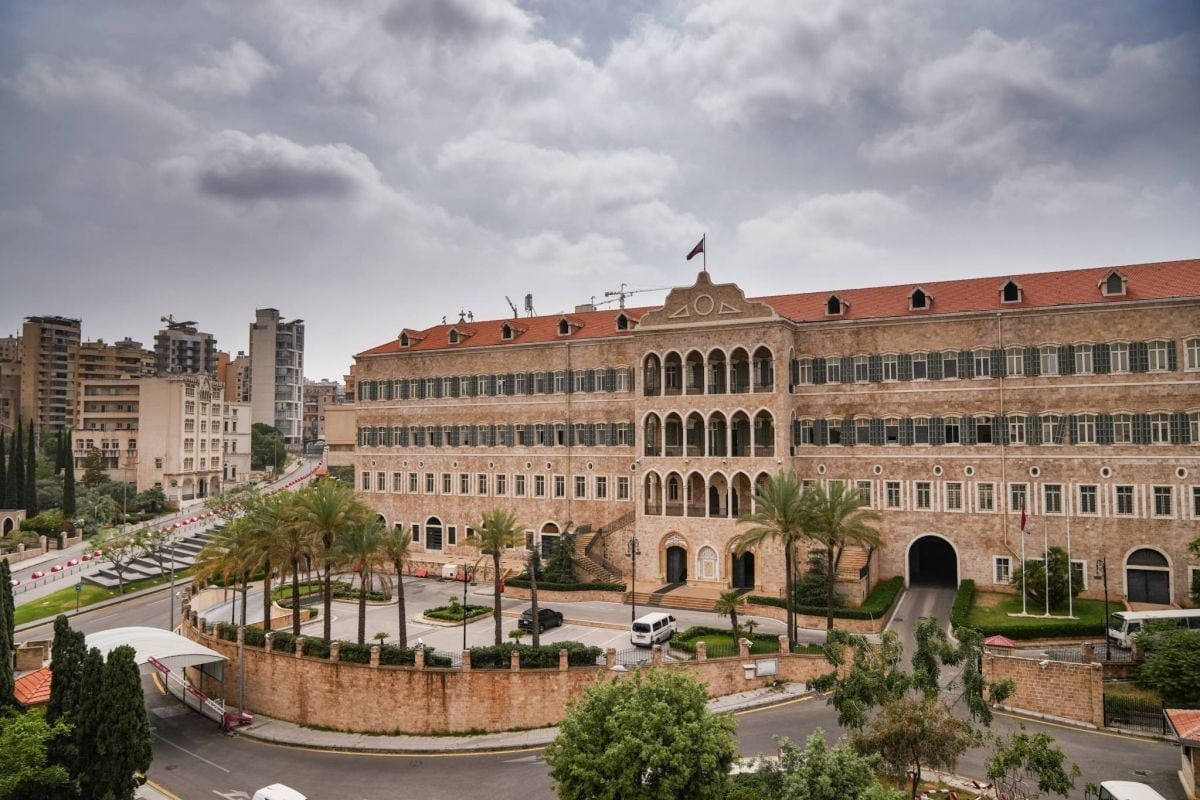
The Grand Serail in downtown Beirut. (Credit: Mohammad Yassin/L’Orient-Le Jour)






The Lebanese Order of Chartered Accountants announced in a statement that it has submitted an official document containing its comments and proposals regarding the draft budget for 2026 to the General Secretariat of the Parliament, according to the state-run National News Agency (NNA).
In its statement, the Order called on authorities to "take its proposals into consideration in the public interest," specifying that they aim to "strengthen fiscal justice, broaden the tax base, and improve oversight and compliance mechanisms, in order to ensure the country’s financial and economic sustainability."
The organization emphasized that its approach falls within its "national role," which consists of participating in the development of financial and fiscal policies, both within the government and during parliamentary discussions.
Considering that the priority is fighting tax evasion — which reached $4.5 billion in 2018 — the Order is proposing the establishment of an electronic platform using blockchain technology to monitor import operations, by linking the Finance Ministry, banks and importers. This could generate an additional $1 billion in revenue. It also recommends the adoption of an electronic invoicing system, as well as conducting a comprehensive census of taxpayers by cross-referencing data from municipalities and the Finance Ministry to identify non-filing taxpayers.
The Order expressed its opposition to the introduction of a 3 percent advance levy, which is included in the draft budget, considering, along with business federations and the Lebanese Association for the Rights and Interests of Taxpayers (ALDIC), that this measure "harms the liquidity of private sector companies, causes price inflation and negatively impacts the national economy."
Finally, the Order made other proposals, including: amending an article in the VAT law to extend the declaration deadline from 20 to 30 days after the end of the relevant quarter, thereby aligning Lebanon with practices in the European Union; and instituting a temporary exemption of two to three years from the salary tax for health benefits, hospitalization, and tuition fees paid by employers, with a possible deduction from income tax.
The budget draft was adopted on Monday by the Parliament, about a week after its review began. It contains numerous changes that the Finance Ministry now needs to incorporate into the text to be sent to Parliament. Its adoption coincides with the visit of an International Monetary Fund delegation led by Lebanon mission chief Ernesto Ramirez Rigo, who met with Finance Minister Yassin Jaber on Tuesday.