


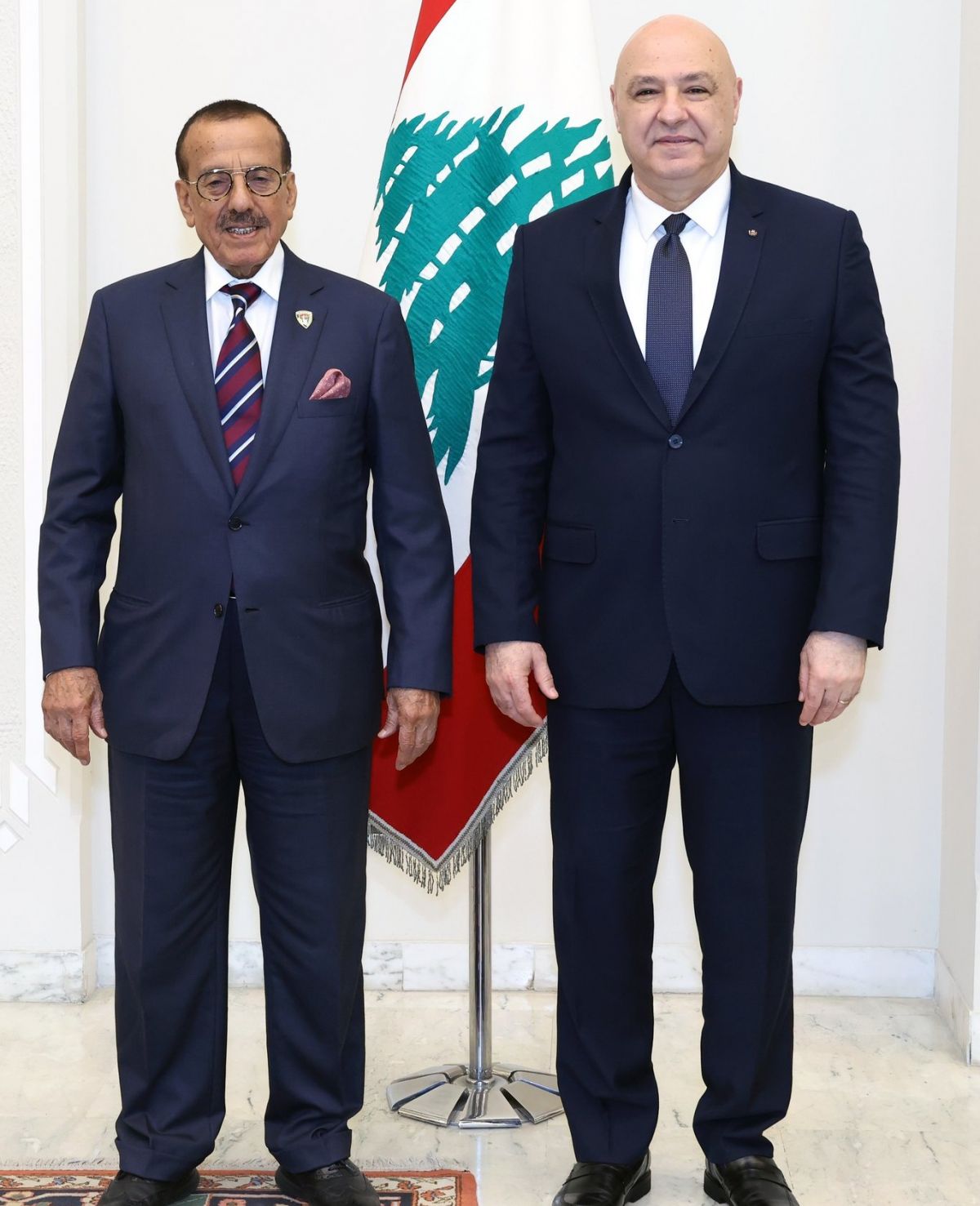
Emirati businessman Khalaf Ahmad al-Habtoor alongside the President of the Republic, Joseph Aoun, at the Baabda Palace on Sept. 11, 2025. Photo taken from the Lebanese presidency's X account.






Emirati businessman Khalaf Ahmad al-Habtoor, who had not visited Lebanon in 16 years, was received on Thursday by President Joseph Aoun at the Baabda Presidential Palace.
“Businessmen are preparing to return to invest in Lebanon, a country with advantages that make it a prime destination for Arab and foreign investors,” Habtoor said, according to a statement from the presidency carried by the state-run National News Agency. He added that “there can be no strong economy or investments without security, a climate that Lebanon’s brothers are beginning to feel, particularly the businessmen preparing to return and invest.”
The head of the Al-Habtoor Group conglomerate said he was pleased to be back in Lebanon, which he described as having “regained its Arab and international presence since the election of the head of state.” He praised Aoun’s positions, saying they have “restored hope not only to the Lebanese, but also to all of Lebanon’s brothers and friends.”
Habtoor also commended “the measures taken by the Lebanese government that will help restore Arab and international confidence in Lebanon.”
For his part, Aoun welcomed Habtoor’s investment initiatives and his commitment to Lebanon and its people.
Investments in Syria
On Tuesday, Habtoor traveled to Damascus, where he signed a cooperation agreement with the Syrian Investment Authority to support development projects in Syria. On Instagram, he said he wanted to open “new horizons of cooperation and investment between the United Arab Emirates and Syria.”
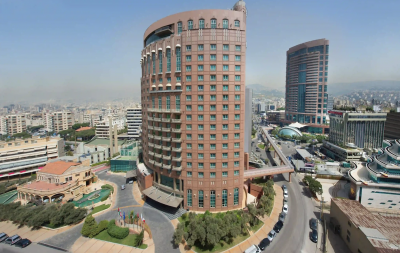
Last April, he unveiled a project for his iconic Lebanese hotel, the Metropolitan Beirut in Sin al-Fil, which would involve dismantling the building and reassembling it at a yet-undisclosed location.
Habtoor, known for his criticism of Hezbollah, suspended his investments in Lebanon at the end of January after initially expressing plans to relaunch his projects “as soon as the future government was formed.” At the time, he cited “the lack of security and economic prospects,” two months after the cease-fire that ended more than a year of war between Hezbollah and Israel.
Also in January, Habtoor said Lebanon was still not stable, revealing that in 2024, he received online threats of “massacre and assassination” from an anonymous individual. He filed a complaint with the Lebanese judiciary.
 7 p.m. recap: Iran defies Washington over Hormuz; Bab al-Mandeb ignites, Israel strikes the Bekaa