






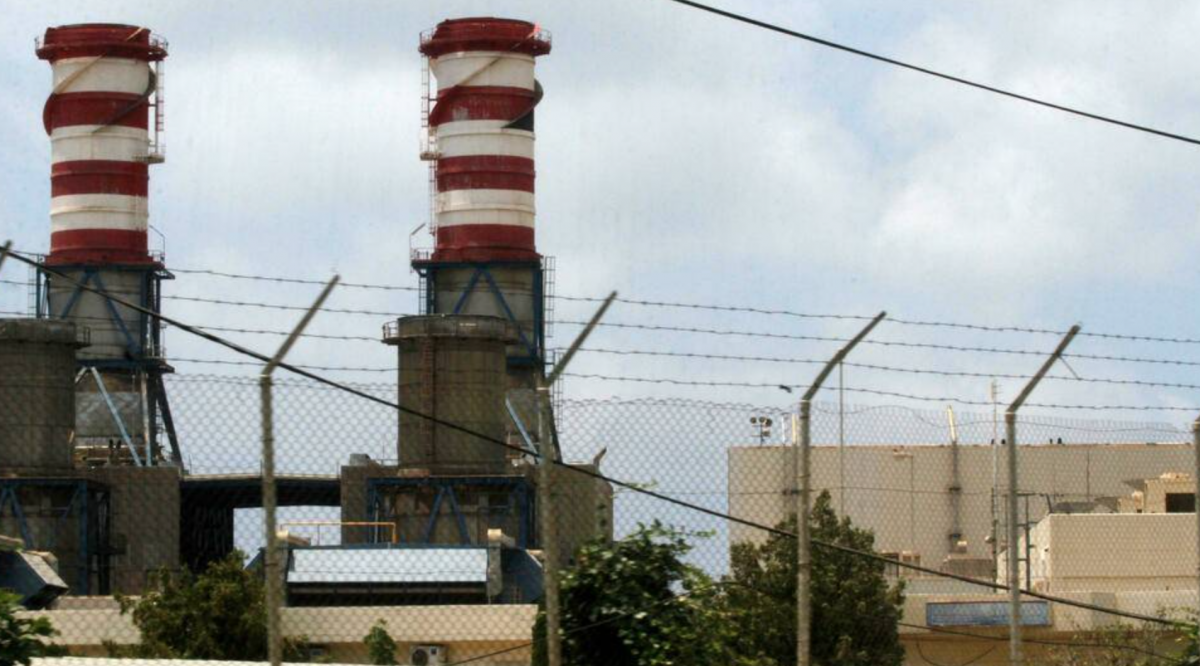
The Zahrani power plant (South Lebanon). (Credit: Mahmoud Zayyat/AFP)






The caretaker Environment Minister Nasser Yassine stated in a statement on Friday that his Ministry "is seriously following the dossier of chemical products in the oil installations of Tripoli and Zahrani which have begun to be conditioned for shipment" by the concerned company.
"The dossier has not yet reached the Environment Ministry," which is "ready to give the necessary authorizations to ship these products safely, in accordance with the Basel Convention," which ensures the control of transboundary movements of hazardous waste, the minister added.
"We have only received a note from the Interior Minister about the oil installations in Zahrani," Yassine reacted on Friday. "The Environment Ministry assures that it will take all necessary ecological measures as soon as it has received the complete dossier from the Energy and Water Ministry," he said.
In a statement published last Saturday, the Energy and Water Ministry responded to rumors about its "alleged lack of responsiveness" in transferring chemical products stored in the oil installations of Tripoli, assuring that the work has already begun.
After completing the conditioning of chemical products in Zahrani, the company AGROMEC, which won the public tender in this dossier, is currently making progress in the installations in Tripoli and is preparing to transport the materials to a specialized laboratory in Europe for their treatment and disposal, in accordance with international standards and environmental authorizations, the Energy Ministry had assured.
'Unfounded accusations'
Presumably reacting to a report by the MTV channel on Jan. 24, which implicated him and raised the alarm about the possible link between the rise in cancer cases in the region and the storage of these products, the ministry dismissed "unfounded accusations," assuring that it has been "committed for more than two years in the conditioning and transfer of chemical products present in Tripoli and Zahrani installations."
A document from the Petroleum Directorate of the Energy Ministry dated Jan. 15, 2024, indicated the presence of materials such as sodium hydroxide or ammonium bifluoride, corrosive and "highly toxic" substances. In March of the same year, about 100 protesters responding to the call of the Union of Municipalities of al-Fayha and other unions from North Lebanon gathered in front of the oil installations south of the city of Tripoli to denounce the presence of these dangerous products.
The presence of these products became more sensitive after the devastating explosion at the port of Beirut on Aug. 4, 2020, caused by poorly stored ammonium nitrate. If the beginning of the war in Gaza, then in southern Lebanon, in October 2023, diverted attention from the issue of dangerous materials in Lebanon, new controversies brought it back into the spotlight.
In June 2024, the state had been called upon due to the presence of dangerous substances in the Zouk power plant. Caretaker Prime Minister Najib Mikati had then dismissed the fears by stating that the chemical products were "in a stable state, stored appropriately and inspected regularly." The products in the Zouk plant "do not constitute a threat to the security and public health near the plant, contrary to what has been circulated in the media," he said.
