






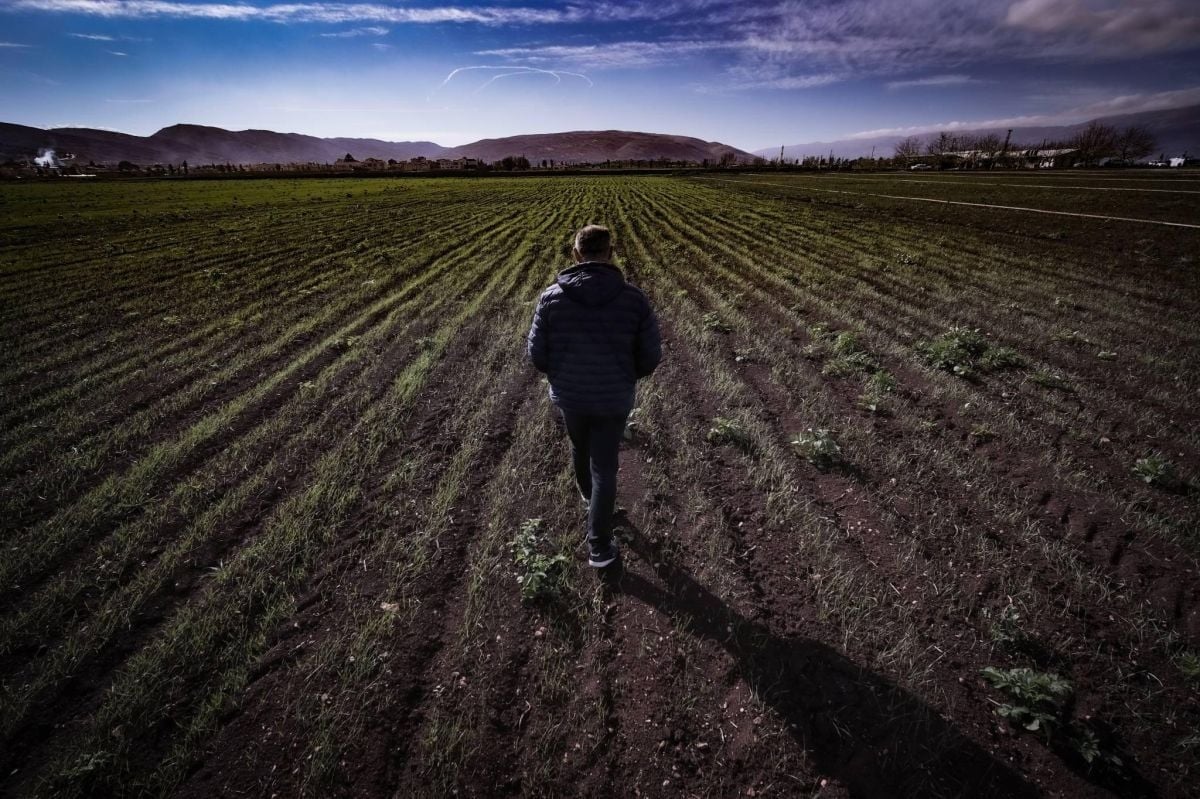
The cultivated lands in the Bekaa Valley in Lebanon constitute an agricultural hub. (Credit: João Sousa/L’Orient Today)






More than 56,000 hectares of agricultural land in Lebanon have been affected by ongoing attacks, with damages devastating farms, livestock, and food production infrastructure across the south, according to the Agriculture Ministry, which warned of growing threats to food security and the rural economy, the state-run National News Agency reported Friday.
The findings were published in Weekly Report No. 5, issued on May 4, 2026, as part of the Ministry’s national response plan aimed at supporting the agricultural sector and maintaining food security amid escalating challenges in southern Lebanon.
The report estimated that around 56,264 hectares of agricultural land nationwide have been impacted, including approximately 18,559 hectares that suffered direct damage — representing 22.5% of the agricultural areas located within conflict zones in the South.
A total of 64 southern towns recorded varying degrees of destruction affecting farmland, irrigation systems, agricultural infrastructure, and facilities linked to food and agricultural value chains.
Small-scale farmers were identified as the hardest hit, with small holdings accounting for nearly 80% of farms in southern Lebanon. Officials warned that the destruction poses a direct threat to rural livelihoods and local economic stability.
"Fruit-bearing trees, particularly citrus, banana, and olive groves, were among the most heavily damaged crops. Areas affected included roughly 11,075 hectares of fruit trees and around 6,600 hectares of olive groves, raising concerns over the long-term impact on perennial agriculture and strategic food production," the report said.
The Ministry also reported that 23,611 farmers have so far registered on its agricultural platform, including 5,803 during the past week alone. Data showed that nearly 77.9% of farmers in southern Lebanon remain displaced from their villages, while only 22.1% continue to reside in their areas.
Infrastructure losses extended to approximately 4,269 hectares of farmland, 1,617 farms, and 793 plastic agricultural greenhouses. Food processing facilities, olive and carob presses, packaging centers, cooling units, and agricultural collection hubs also sustained extensive damage.
Livestock losses were severe, with the death of approximately 1,848,856 poultry, sheep, goats, and cattle. The report additionally documented major losses in beekeeping and fish farming, including more than 29,000 destroyed beehives and nearly 2,030 tons of fish production lost.
Farmers identified urgent needs including agricultural medicines, irrigation fuel, water access, livestock feed, veterinary care, vaccinations, and logistical support to transport produce to safer areas. The districts of Bint Jbeil, Marjayoun, and Sour recorded the highest levels of emergency agricultural needs.
In response, the Agriculture Ministry said it is continuing to implement a comprehensive national emergency plan focused on protecting agricultural and livestock production, maintaining food supply chains, stabilizing markets, and providing direct assistance to affected farmers in coordination with government bodies, international organizations, and donor agencies.
The Ministry added that exceptional measures are being introduced to facilitate imports of essential agricultural products and speed up cargo movement through ports and border crossings, while increasing oversight of markets and prices alongside food security and consumer protection authorities.
Authorities also announced plans, in cooperation with international donors and partners, to provide" more than $1.65 million in cash assistance benefiting approximately 4,840 farmers. Additional aid packages will include agricultural inputs, animal feed, solar-powered pumps, and rehabilitation of damaged agricultural infrastructure for nearly 1,850 additional farmers."
The support programs involve a range of international and humanitarian organizations, including the World Food Program, the European Union, United Nations agencies, and local and international groups specializing in agricultural development and rural resilience.
The report comes amid mounting warnings over the long-term impact of agricultural destruction on Lebanon’s food security, particularly as southern Lebanon remains one of the country’s primary producers of olives, citrus fruits, and other key crops. Officials stressed that accelerating emergency support and recovery efforts will be critical to sustaining agricultural production and protecting rural communities from further economic decline.
