


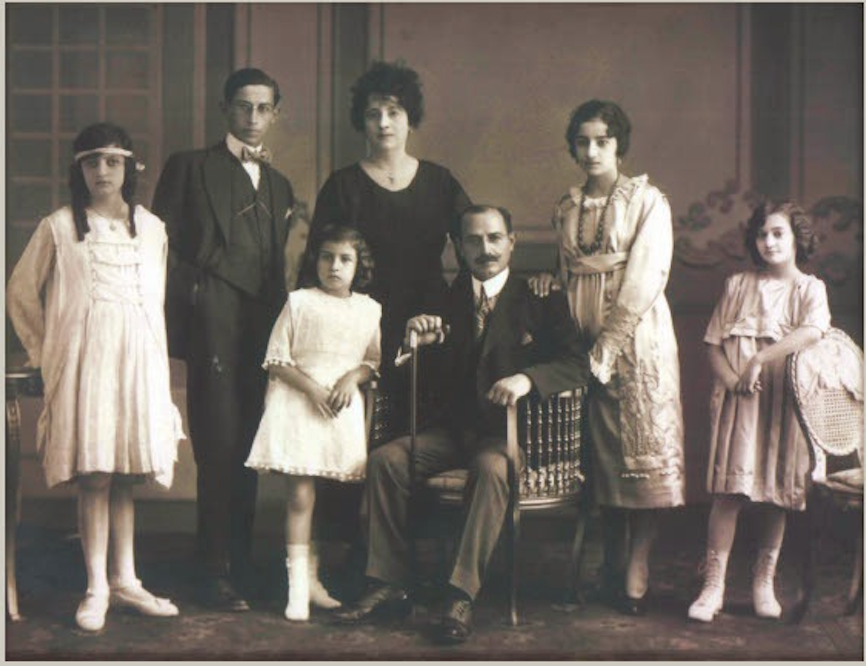
José S. Helú surrounded by his loved ones, a prominent figure in Lebanese immigration to Mexico and founder of the newspaper Al Jawater in 1909. (Credit: Cover photo of the book)






Always pushed to emigrate, Lebanese people carried their language, their dreams, and their determination to write about the world wherever they started a new life.In the early 20th-century, a small group of Lebanese men and women settled in the lively cities of Mexico, thousands of kilometers away from their hometown, Baabda.They rebuilt a “paper homeland” through writing. At the heart of their project, there was a newspaper, Al Jawater (read Al Khawater, Arabic for ideas). Behind it was a family, the Helou family, whose name was spelled Helú. More from the diaspora In London, the Lebanese diaspora cultivates its own start-up ecosystem This patient, incomplete, and deeply human story is now retold by María Isabel Grañén Porrúa in a large book, based on several years of research and translation done with journalist Nabil Émile...
Always pushed to emigrate, Lebanese people carried their language, their dreams, and their determination to write about the world wherever they started a new life.In the early 20th-century, a small group of Lebanese men and women settled in the lively cities of Mexico, thousands of kilometers away from their hometown, Baabda.They rebuilt a “paper homeland” through writing. At the heart of their project, there was a newspaper, Al Jawater (read Al Khawater, Arabic for ideas). Behind it was a family, the Helou family, whose name was spelled Helú. More from the diaspora In London, the Lebanese diaspora cultivates its own start-up ecosystem This patient, incomplete, and deeply human story is now retold by María Isabel Grañén Porrúa in a large book, based on several years of research and translation done with journalist Nabil...

 7 p.m. recap: Netanyahu seeks mastermind behind Flydubai incident; Washington sanctions 2 French nationals; Ben Gvir's 'I want to kill you' threat