


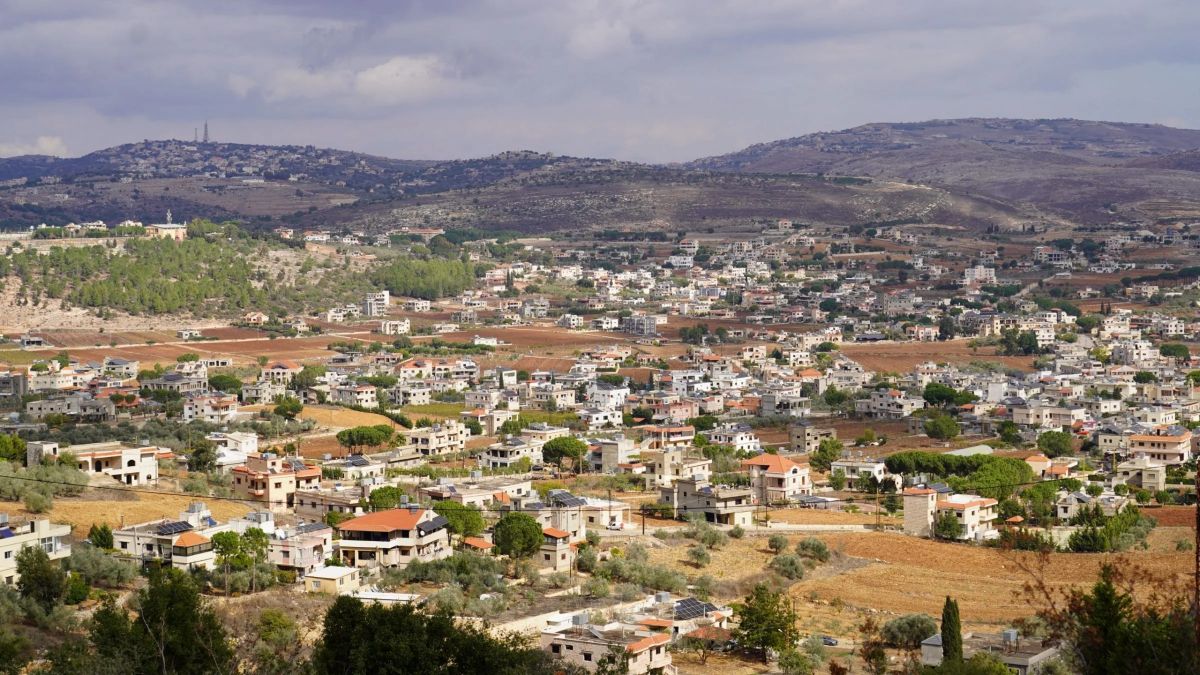
View of Rmeish, Bint Jbeil, southern Lebanon, on Nov. 16, 2025. (Credit: Téa Ziade/L'Orient-Le Jour archives)






SOUTH LEBANON — Christian international organization Samaritan's Purse recently provided humanitarian aid to the Christian village of Rmeish (Bint Jbeil) via the Israeli army, according to residents of the village, sparking controversy on Tuesday as hostilities between Israel and Hezbollah continue despite the ten-day cease-fire currently in effect since April 16.
Rmeish, as well as other Christian villages, have been deprived from basic needs as a result of Israel's ground invasion of southern Lebanon and the Lebanese Army's withdrawal from these areas. The Israeli army started the invasion days after the resumption of the war between Hezbollah and Israel on March 2. Despite the cease-fire, the Israeli army continues to occupy areas it had previously invaded, even attempting to establish what it calls a "buffer zone" on parts of Lebanese territory.
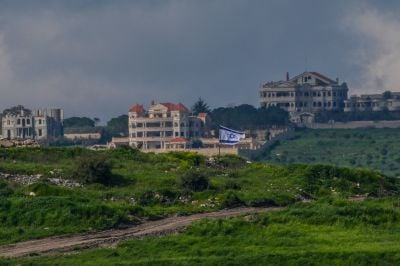
Samaritan's Purse is a Christian U.S.-based humanitarian aid organization that "provides support to people in physical need." It has offices both in Lebanon and Israel. Contacted by email by L'Orient Today Tuesday, the organization was not immediately available for comment.
Rmeish's parish priest Najib al-Amil told our correspondent in southern Lebanon that the aid was dropped by the Israeli army in a field within Lebanese territories located four kilometers south-east of the village, and around one kilometer from the Lebanese-Israeli border. Following the drop, residents from the village transported the aid without getting into direct contact with Israeli forces. However, it remains unclear whether the aid packages were dropped by an Israeli helicopter, as some testimonies suggest, or though Israeli trucks that crossed into Lebanon. Contacted by our publication, the Lebanese Army and UNIFIL could not confirm how the aid had reached Lebanese territory.
According to Amil, the aid consists of around 20 tons of food supplies, including rice, sugar, lentils, chickpeas, infant milk, and canned goods. He also said that, due to the difficulties in delivering aid into Lebanon, the Christian organization transported it instead via the border with Israel.
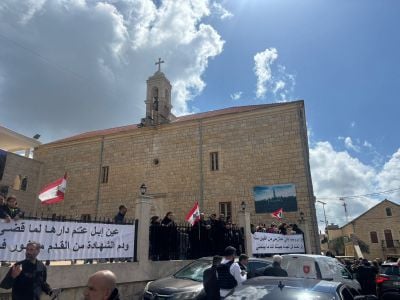
Meanwhile, Fouad Abou Nader, president of the Nawraj association dedicated to the socioeconomic development of Christian border towns, told L'Orient Today that Samaritan’s Purse had initially unsuccessfully attempted to deliver humanitarian aid from within Lebanon to the border villages of Rmeish, Ain Ibl and Dibil. He noted that, after its initiative failed due to the Israeli siege imposed around these localities for several weeks, the organization turned to its office in Israel, which contacted the Israeli army to obtain authorization for passage into Lebanon. As a result, he continued, "trucks loaded with food supplies and basic goods were able to reach Lebanon."
Municipality and local mukhtars opposed aid offer
According to our correspondent, Amil chose to accept the aid whereas local mukhtars were against this decision, with the municipality of Rmeish not initially aware of this development.
The priest added in a call with our correspondent that as long as the residents of Rmeish cannot secure the means to live under this siege, he would "ask any party to ensure their survival." He said that the international organizations' intervention, including Samaritan's Purse, was a result of his repeated appeals for help.

For his part, Mayor Hanna al-Amil said the municipality had no knowledge of this aid and did not deal with the matter or request aid from any party. He added that official and international bodies have begun reaching Rmeish from inside Lebanon, noting that the papal ambassador visited the village on Monday along with Caritas to deliver assistance. However, he stressed that the village has been and continues to suffer from a near-total siege, noting that some aid has entered but not at the required level.
Meanwhile, a mukhtar from Rmeish, who did not wish to be named, told L'Orient Today: “Along with the town’s other mukhtars and the municipality, we rejected this aid. We do not want anyone to give us relief boxes and then claim they did us a favor. What we want is for the road to be opened so we can buy and stock our supplies and everything we need without being indebted to anyone.”
He added that the village needs a safe humanitarian corridor allowing dozens of trucks daily to bring in food, flour, and medicines to pharmacies, especially since around 1,300 families are still residing in Rmeish.
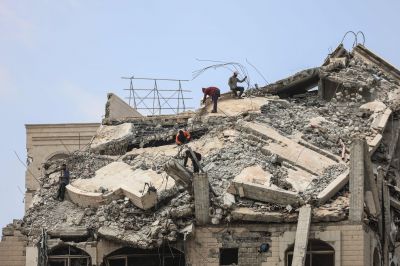
Dozens of villages in southern Lebanon have become completely inaccessible to civilians after Israel announced Sunday the establishment of a “Yellow Line,” reminiscent of the line used to demarcate its occupation of half of the Gaza Strip. The zone, spanning several hundred square kilometers, extends up to eight to 10 kilometers into Lebanese territory, mostly south of the Litani River.

 1 p.m. recap: Third death in 2 days in Israeli-occupied south Lebanon, Salam comments on the Dahr al-Baidar case, Saudi Arabia bombs Yemen