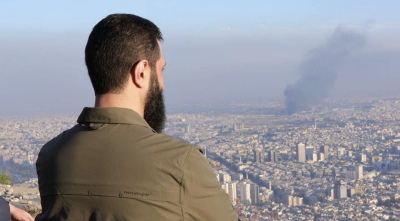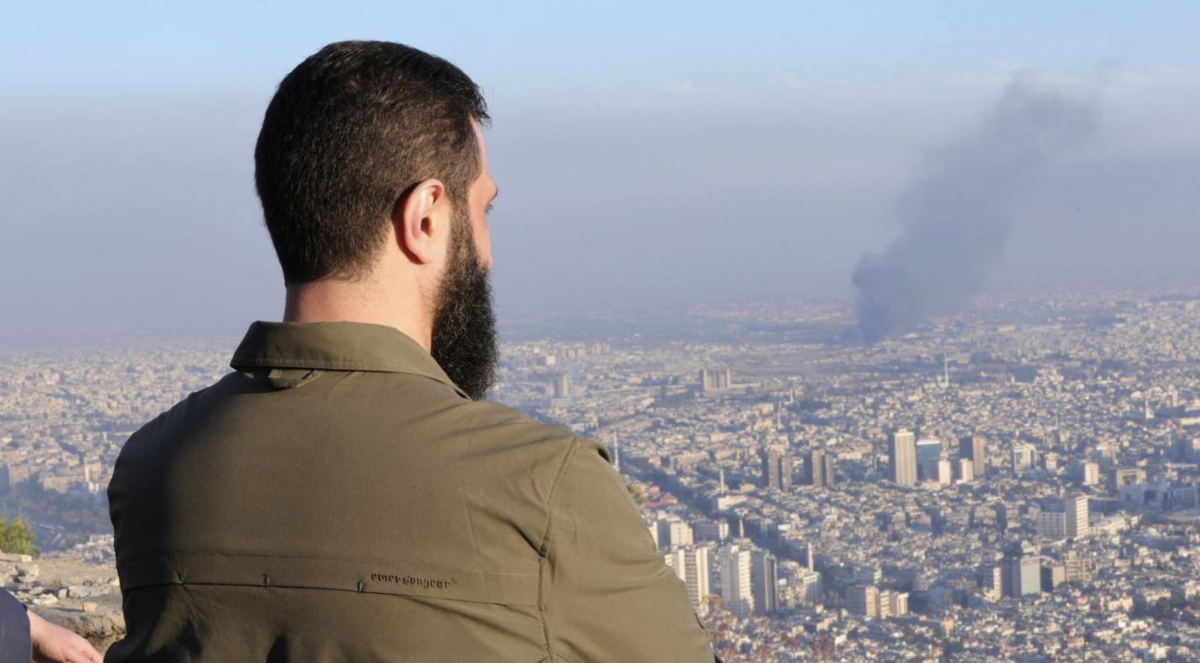
Mohammad al-Jolani overlooking the Syrian capital after the fall of Bashar al-Assad, Dec. 9, 2024. Photo taken from the official Telegram account of the Military Operations Administration of the Islamist group HTS.






On Friday, the Syrian presidency denied reports published two days ago in The New York Times, which claimed that Syrian leader Ahmad al-Sharaa had cooperated with the U.S.-led international coalition against the Islamic State (IS) and al-Qaeda as early as 2016, and that he had been part of these groups until that date.
In a statement cited by the official news agency SANA, the presidency “confirmed the inaccuracy of information published in certain press reports,” asserting that these “allegations have no connection with reality.”
Ahmad al-Sharaa “did not coordinate or cooperate with any foreign party in this regard, and no directive from him on this matter was issued,” the statement added. “All decisions and measures taken at the time were based on an independent internal decision, without any coordination or solicitation from any external actor.”
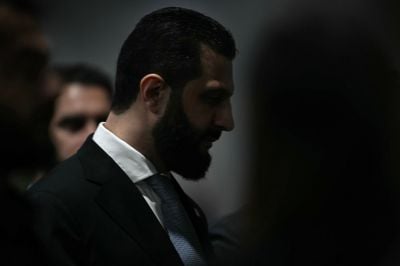
These statements come as Syrian authorities seek to position themselves at the forefront of the fight against IS, and after Ahmad al-Sharaa was received in Washington following his removal from the U.S. terrorist blacklist.
According to The New York Times, citing Syrian officials and Western diplomats speaking on condition of anonymity, Ahmad al-Sharaa “cooperated discreetly with the U.S.-led coalition against IS and al-Qaeda since taking control of a portion of rebel-held territory in northwestern Syria in 2016.”
The year 2016 marked Ahmed al-Sharaa’s break with al-Qaeda, when he was known by his nom de guerre, Abu Mohammad al-Jolani. He had joined al-Qaeda in Iraq following the U.S. invasion in 2003. In 2017, he founded the group Hay’at Tahrir al-Sham (HTS), formed through a merger with several rebel groups and the main faction that overthrew Bashar al-Assad on Dec. 8, 2024, after a civil war lasting more than thirteen years.