


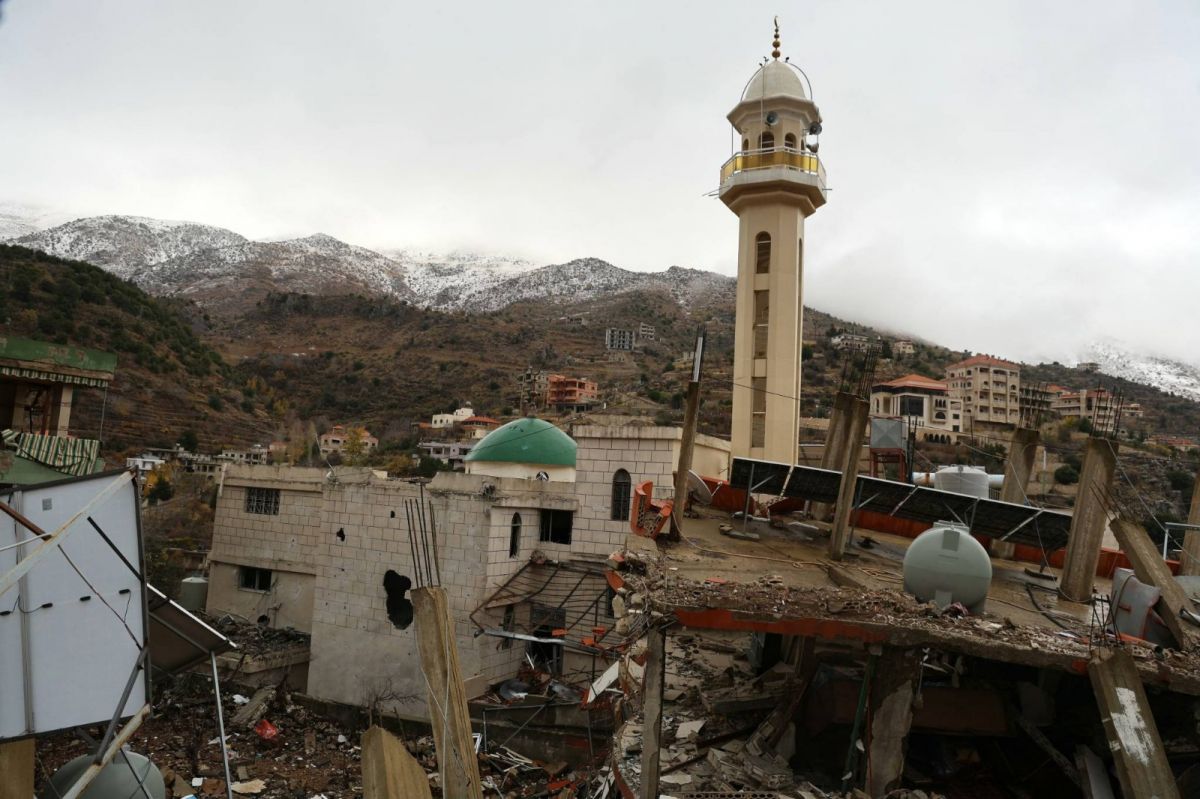
The minaret of a mosque amidst the rubble of buildings struck by Israel in Shebaa in southern Lebanon, on Nov. 27, 2024. (Credit: AFP)






BEIRUT — Progressive Socialist Party (PSP) leader Walid Joumblatt is facing mounting backlash after he affirmed last week that the Israeli occupied Shebaa Farms and Kfar Shuba Hills are Syrian territory, not Lebanese.
The Druze leader’s statement prompted reactions, including from MP Kassem Hashem, member of the Amal parliamentary bloc, and Mohammad Hamdan, head of the Arqoub Sons Association, who both rejected Joumblatt’s position and reaffirmed the Lebanese identity of the disputed lands.
In a press conference last Thursday Joumblatt had said that "the [Israeli occupied] Shebaa Farms were and will remain Syrian and fall under U.N. Resolution 242."
Reacting to this statement, Hashem said Thursday that “attempts to change the identity of Shebaa Farms and Kfarshuba Hills to serve Israeli interests, under pressure from American and Western will” are unacceptable. He emphasized that these lands have been “registered in the Lebanese land registries in Sidon since the Ottoman and French mandate eras, before the establishment of the Israeli occupation.” Hashem also pointed out that Israeli forces began gradually occupying the area from June 15, 1967, until 1989, while Lebanese farmers continued to access the farms until 2000.
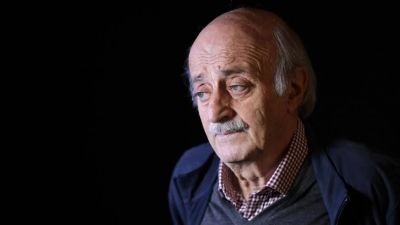
On Tuesday; head of the Arqoub Sons Association, Mohammad Hamdan said in an interview with Al-Jadeed: "I don’t know what convinces Joumblatt — he was part of the National Dialogue Table in 2006, and a unanimous decision was issued by the Dialogue Committee that the Shebaa Farms and Kfar Shuba Hills are occupied Lebanese territories and must be liberated."
Hamdan said Joumblatt was part of the 2006 National Dialogue Committee, which unanimously agreed the lands are Lebanese. He argued that "there is no justification for any stance contradicting this clear national consensus."
The Arqoub Sons Association is a Lebanese civil society organization representing the residents and descendants of the Arqoub region in southern Lebanon, playing a role in advocating for the rights and interests of the local community, particularly concerning territorial sovereignty and national identity.
Joumblatt clarified his position on Wednesday in a post on X explaining: "Yes, I was part of the Dialogue Committee in 2006, and we agreed that the Shebaa Farms and Kfar Shuba Hills would be Lebanese after demarcation with the Syrian state and then review by the United Nations. Seeing as the demarcation or delineation has not occurred, these areas remain subject to Resolution 242, which does not include Lebanon."
He further addressed Hamdan stating: "This is the text we unanimously agreed upon at the Dialogue Committee at the time, and it is clear regarding the delineation in accordance with the procedures and protocols recognized and accepted by the United Nations. Please refer to the archives in the Parliament."
The attached text in the message on Joumblatt's X account was unavailable online on Wednesday.
'2006 National Dialogue'
The 2006 National Dialogue indeed recognized Shebaa Farms and Kfar Shuba Hills as Lebanese territories, but it conditioned their full sovereignty on a formal border delineation with Syria and review by the United Nations. Until such demarcation is finalized, these territories remain governed by U.N. Security Council Resolution 242, which relates to lands occupied during the 1967 Arab-Israeli war and does not explicitly include Lebanon.
The 2006 National Dialogue body has no official legal status, unlike the Lebanese Parliament, which is the only constitutional legislative authority. No law was ever passed by Parliament to establish the National Dialogue or to give it any formal mandate regarding the Shebaa Farms or related territorial issues. As such, its statements or decisions carry political significance but do not have binding legal effect.
The agreement also reaffirmed Lebanon’s right to recover its occupied lands through diplomatic efforts and adherence to international law, stressing the need for proper documentation and international validation.
According to several experts, the status of Shebaa Farms and Kfar Shuba Hills remains disputed, with many arguing that these territories are more likely Syrian than Lebanese. Opponents of Hezbollah view this claim as a pretext for the group to maintain its weapons, justifying the need to continue resistance until the full liberation of Lebanese territory from Israeli occupation is achieved.
The Shebaa Farms controversy takes place as the Israeli army continues to occupy five points in southern Lebanon and violates the cease-fire reached on Nov.27 on an almost daily basis. The latest conflict between Hezbollah and Israel began on Oct. 8, 2023, a day after Hamas's operation in Israel that led Gaza into a spiral of violence.
This war, which reached a peak of intensity between September and November 2024 in Lebanon, left Hezbollah weakened. It ended with a cease-fire on Nov. 27, 2024, based on U.N. resolution 1701, which also ended the 2006 war, stipulating Hezbollah's disarmament.
Since the end of the war between Israel and Hezbollah at the end of November 2024, Lebanese authorities said they have dismantled the military infrastructure of the party south of the Litani river, but Israel continues to bomb Hezbollah-related targets, accusing the Lebanese government of not doing enough to disarm it.
In this context, Joumblatt made a surprising announcement last Sunday, stating that PSP handed over its weapons to the Lebanese Army about three weeks ago. Joumblatt said he informed President Joseph Aoun about the weapons stored in Moukhtara, the Druze leader's stronghold in the Chouf, and requested their collection by relevant authorities. This move aligns with the government’s ongoing efforts since late 2024 to assert a monopoly on arms, focusing on disarming militias including Hezbollah and Palestinian refugee camps.
