





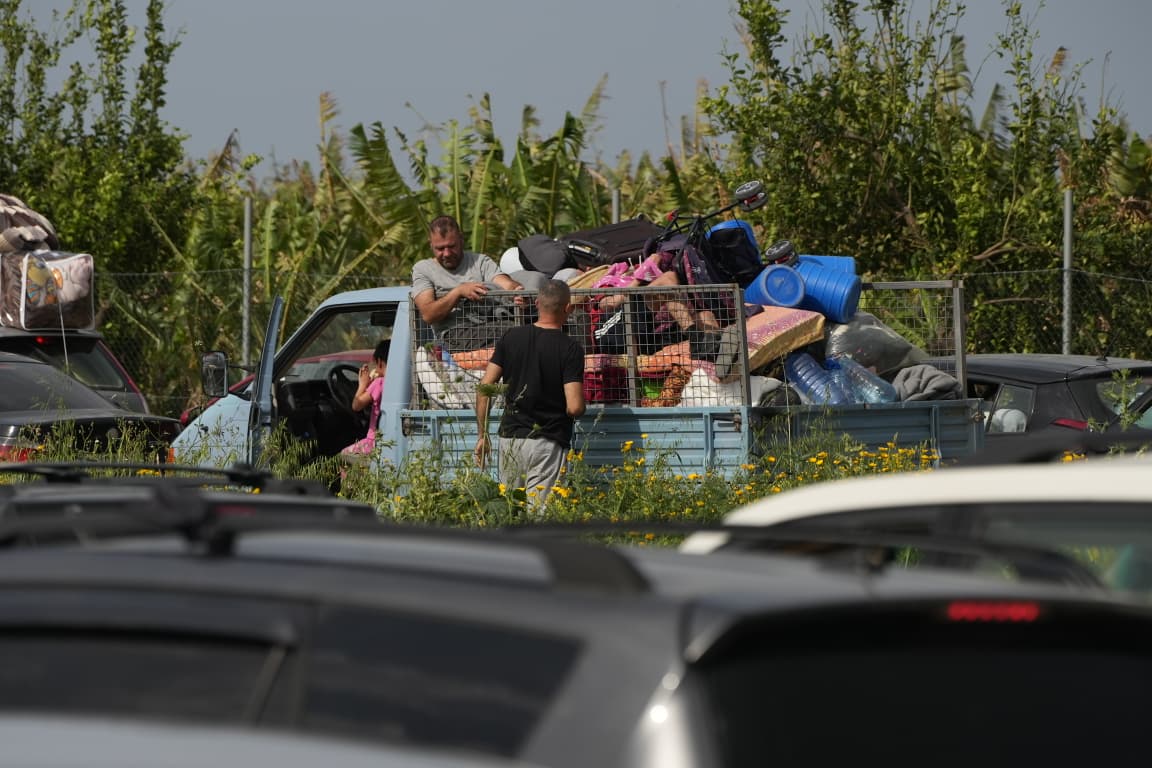
On April 17, 2026, at midnight, a cease-fire came into effect between Beirut and Tel Aviv, after a month and a half of war in Lebanon. (Credit: Mohammad Yassine/L'Orient Today)
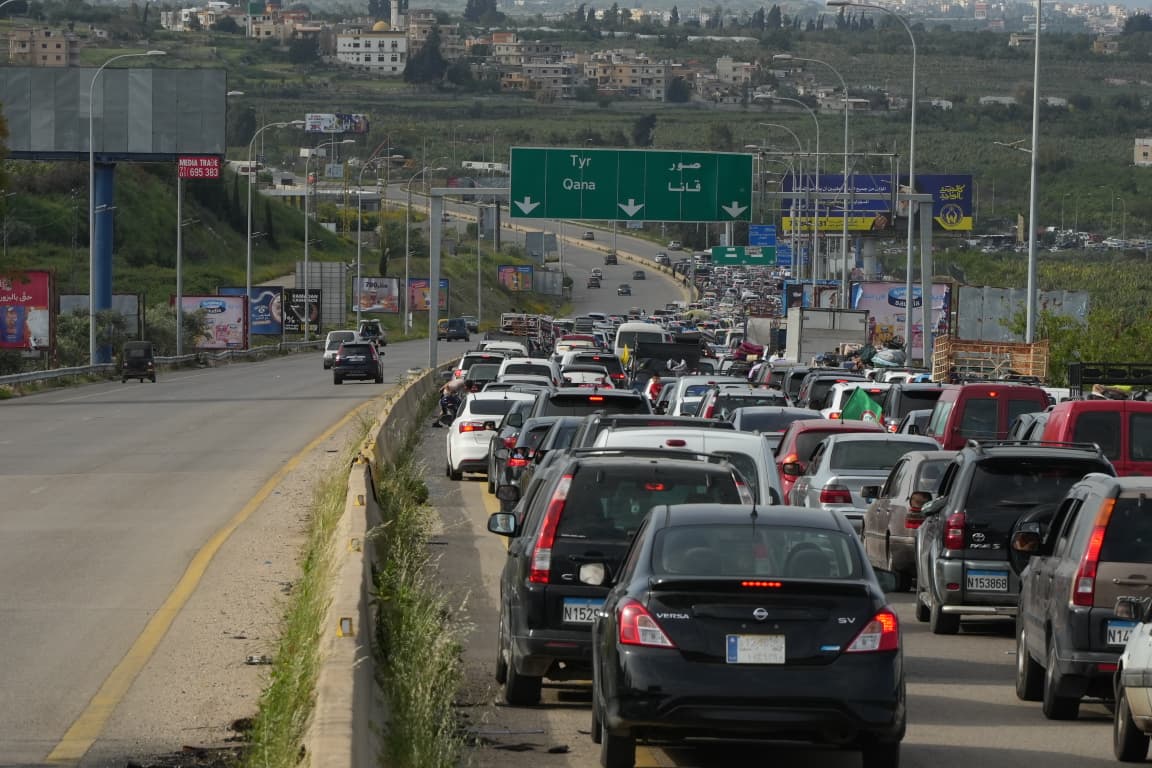
At dawn, thousands of displaced residents from southern Lebanon returned to their villages. Our journalists accompanied them. (Credit: Mohammad Yassine/L'Orient Today)
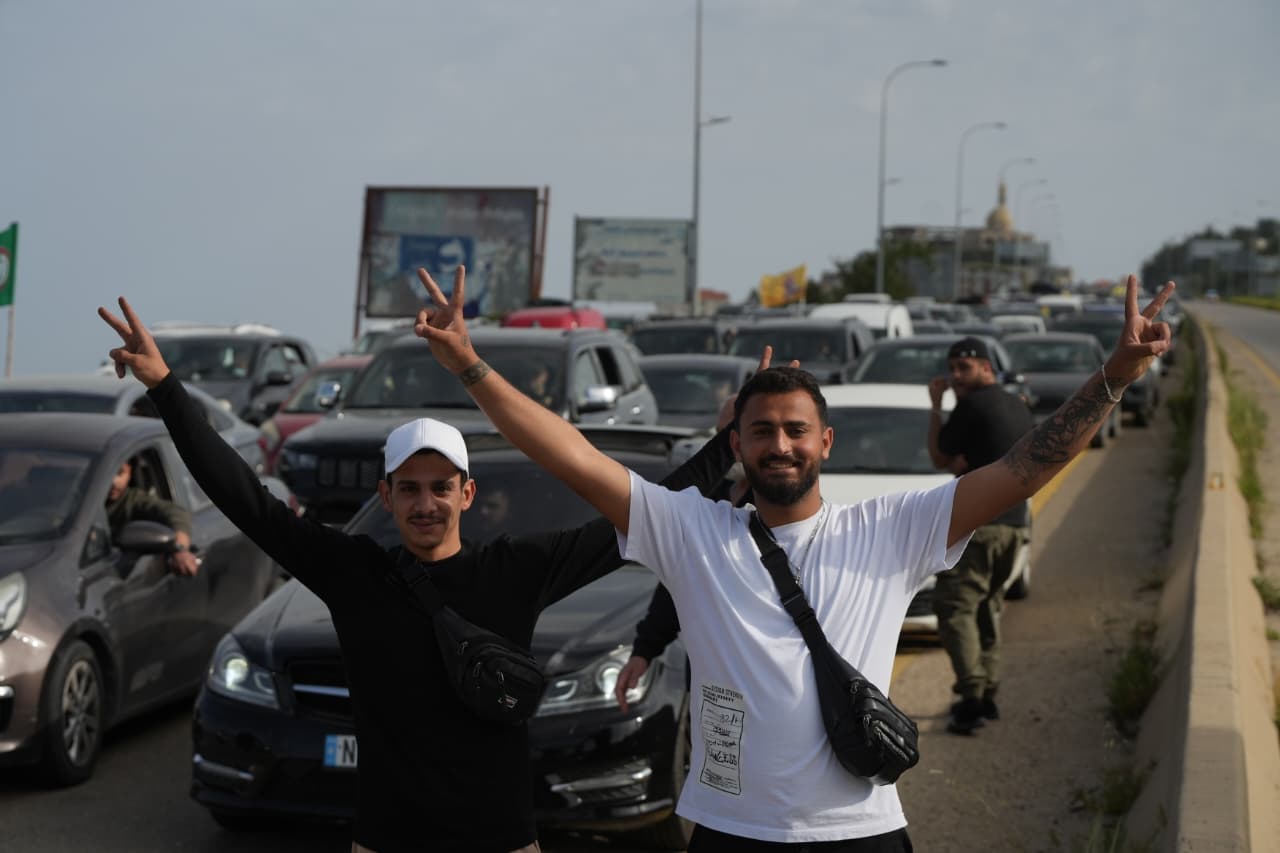
"For now, we know nothing about the destruction, we don’t know what we’ll discover on the ground," one of them told our journalist Lyana Alameddine, as he headed south. (Credit: Mohammad Yassine/L'Orient Today)
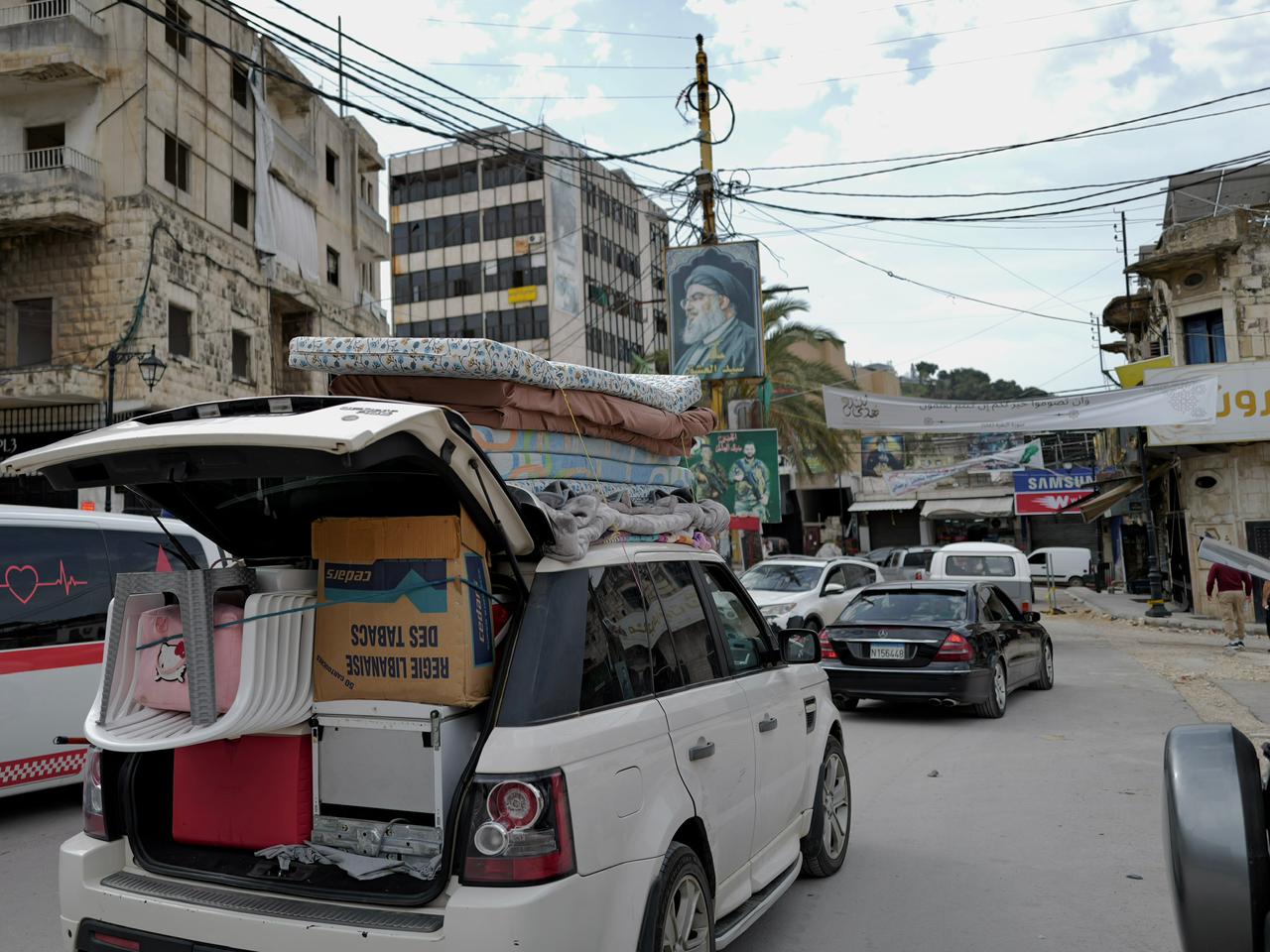
The road to Nabatieh is littered with houses destroyed by strikes. Residents' vehicles returning home kick up clouds of dust as they pass. (Credit: Mohammad Yassine/L'Orient Today)
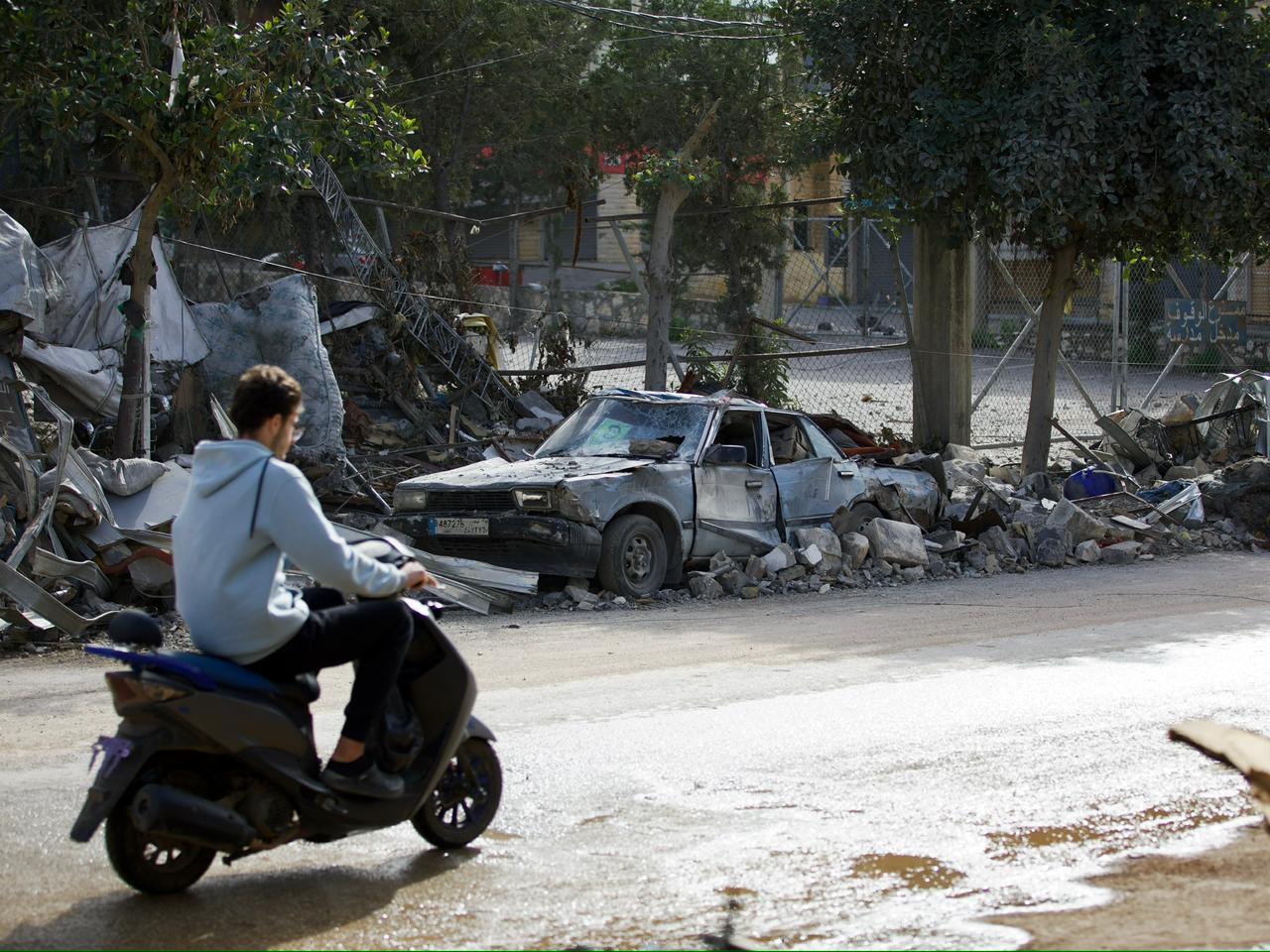
The cease-fire is for 10 days, with possibility for extension, but overnight, the Lebanese Army reported several Israeli violations. (Credit: Matthieu Karam/L'Orient Today)
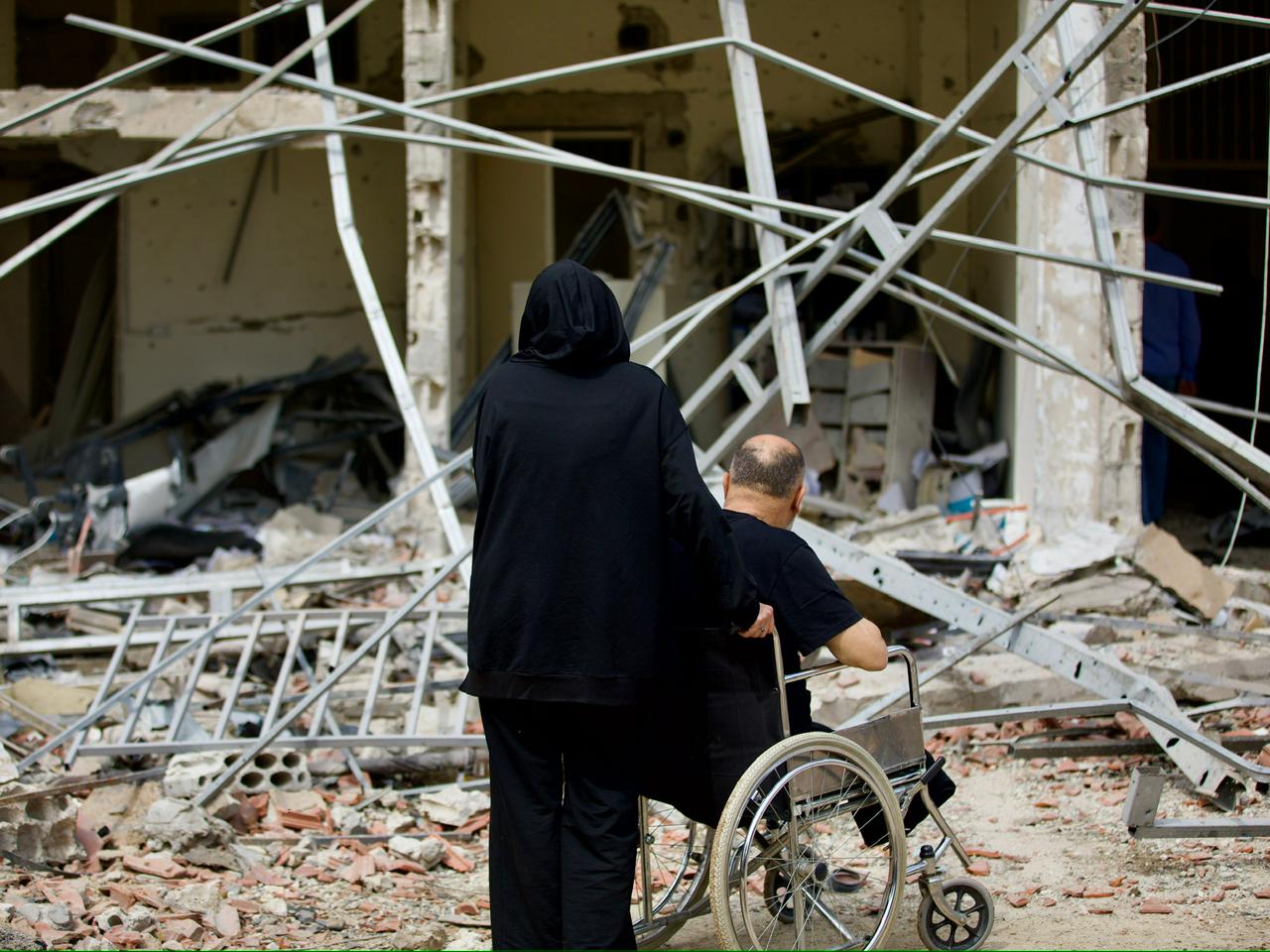
At least 15 people were killed in an Israeli airstrike carried out just after the cease-fire came into effect, and 10 people are still missing. (Credit: Matthieu Karam/L'Orient Today)
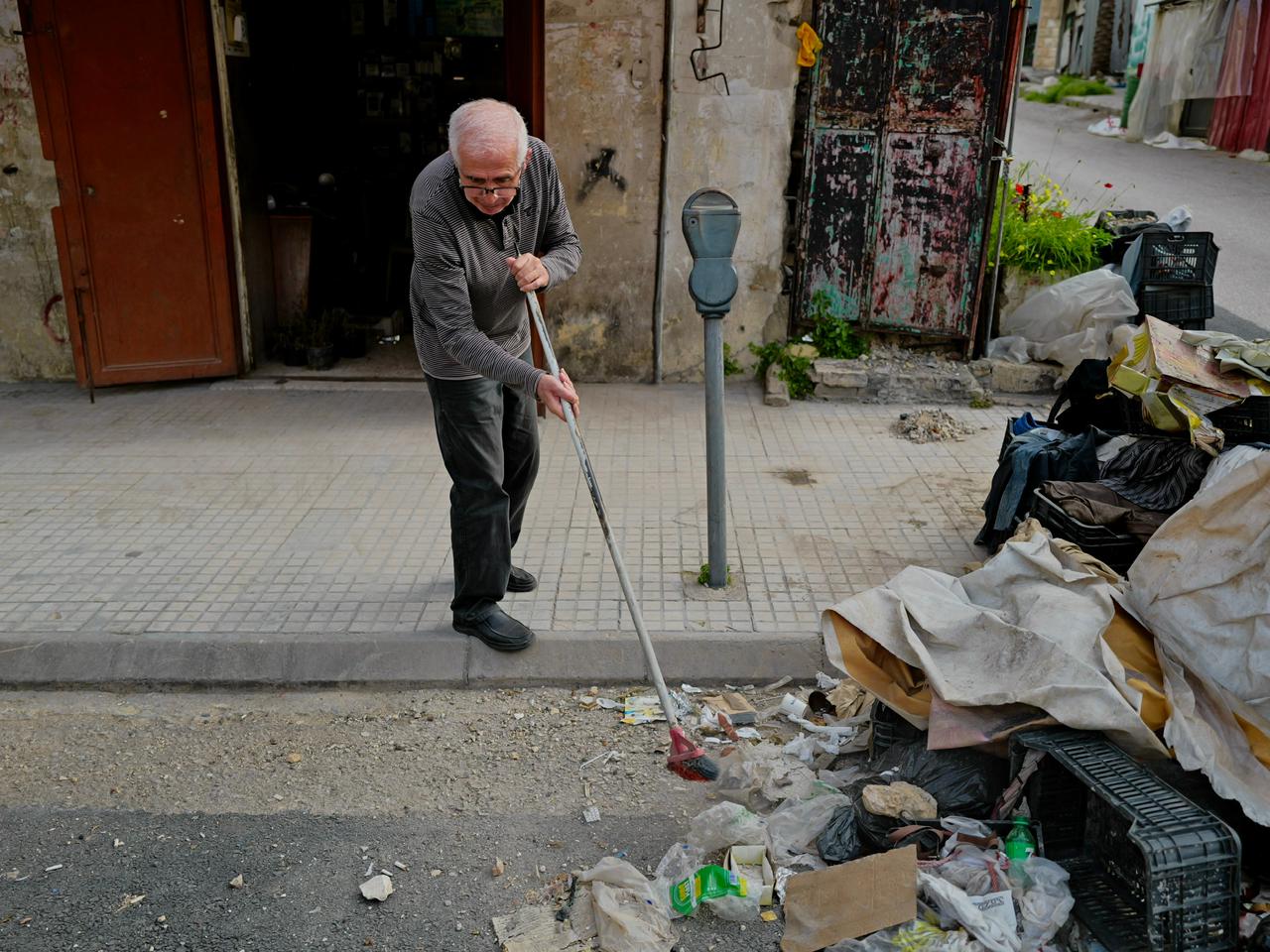
Back home, the displaced residents are clearing rubble and trying to restore some semblance of order to their businesses and homes. Like here on the road to Nabatieh. But not all of them will sleep there, aware of the cease-fire's fragility. (Credit: Matthieu Karam/L'Orient Today)
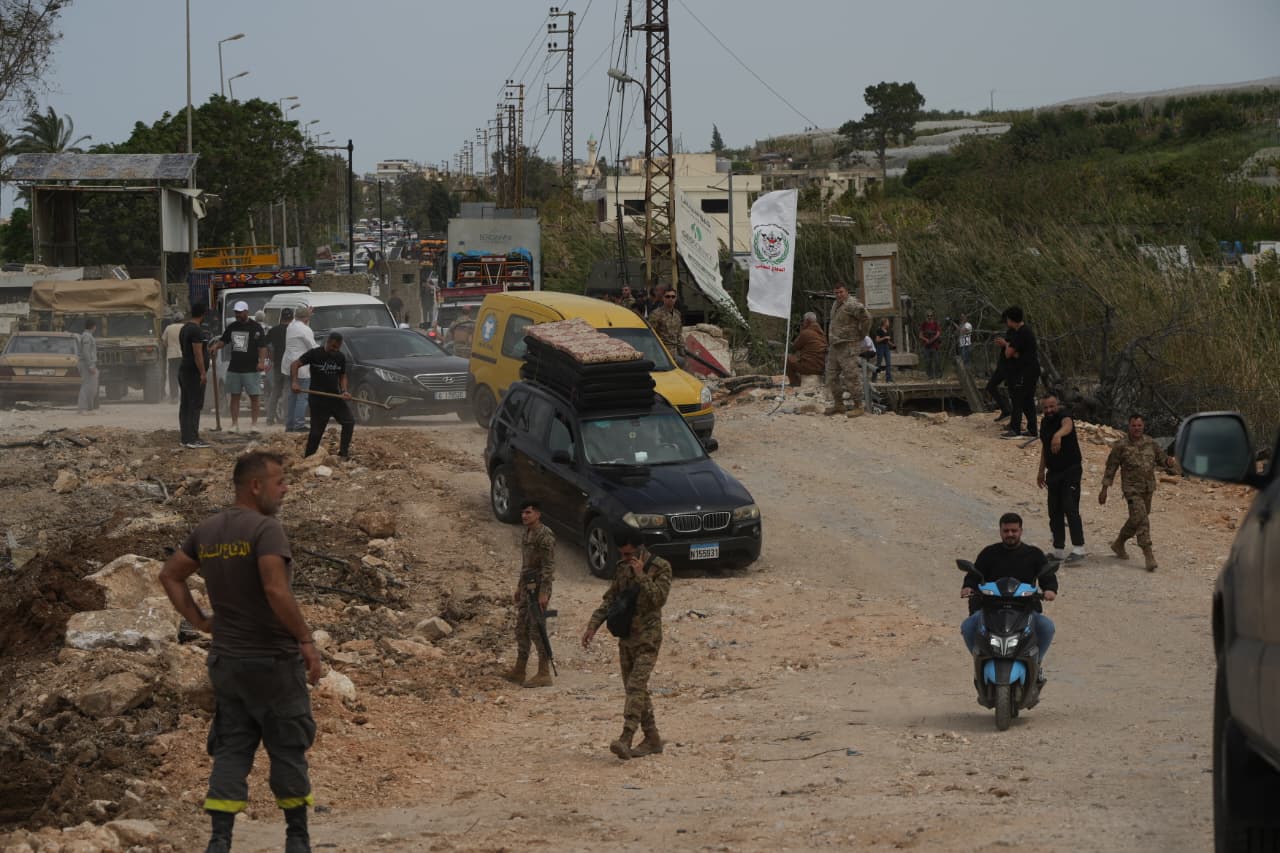
Numerous vehicles also crossed the Qasmieh bridge over the Litani River. This bridge, destroyed several times by Israel during the war, was still being reopened by the Lebanese Army on Friday. (Credit: Matthieu Karam / L'Orient Today)
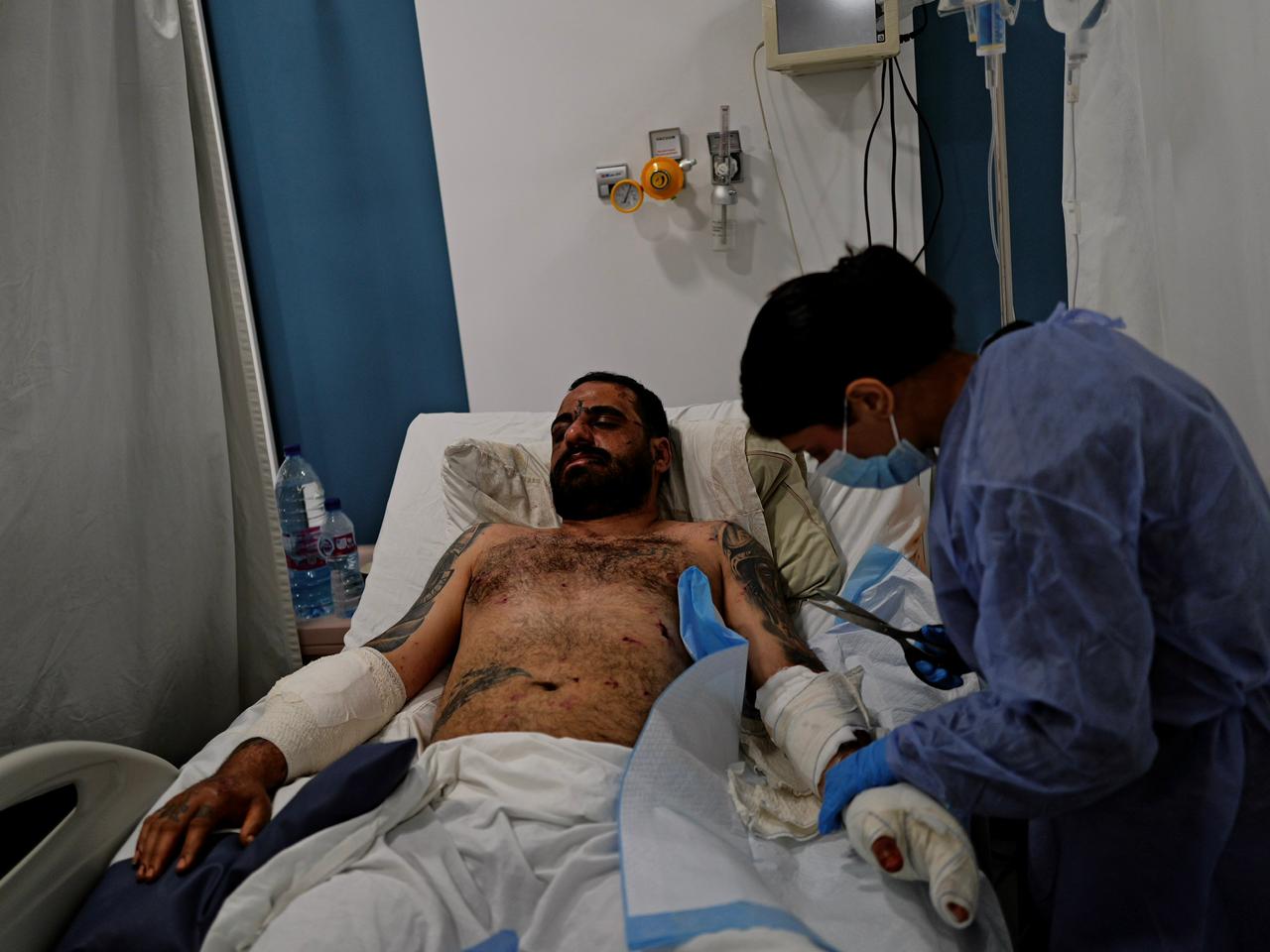
Mahmoud Sahmorani lies on his bed in the center set up opposite the Najdeh Hospital by the Lebanese Popular Aid for Relief and Development, at the entrance to Nabatieh. His arm is broken and his face is swollen. On Thursday evening, shortly before the cease-fire was to take effect, an air strike destroyed the building where he was staying, killing his father, his uncle, his cousin, and a neighbor. (Credit: Matthieu Karam/L'Orient Today)
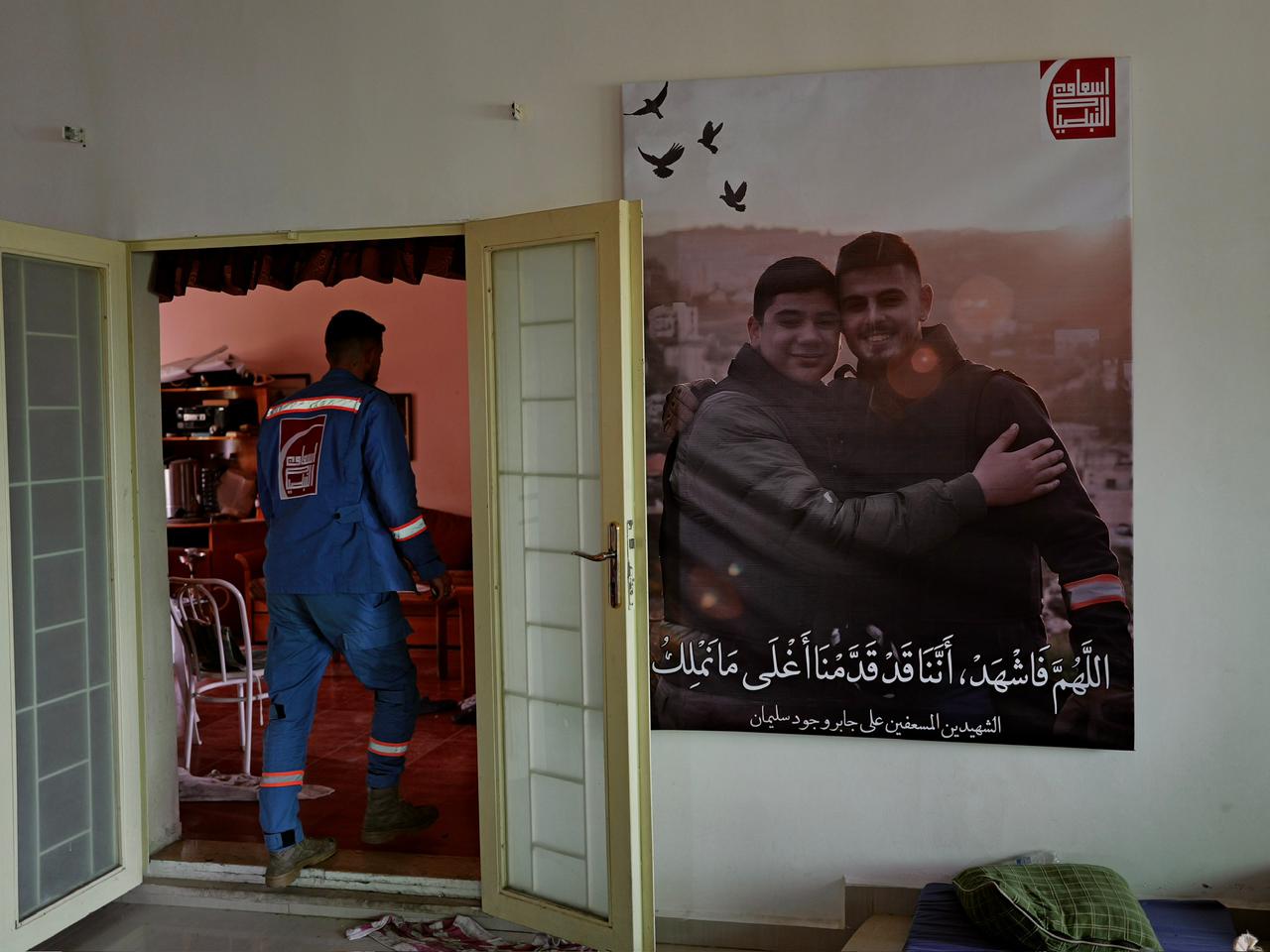
Mahdi Sadek, coordinator of the Nabatieh rescue workers, a non-partisan organization funded by local religious institutions known for their tolerance, is not optimistic. He has already had to bury three colleagues. "This truce offers no guarantees. We will not change our way of operating for the next 10 days," he told our journalist Emmanuel Haddad. (Credit: Matthieu Karam/L'Orient Today
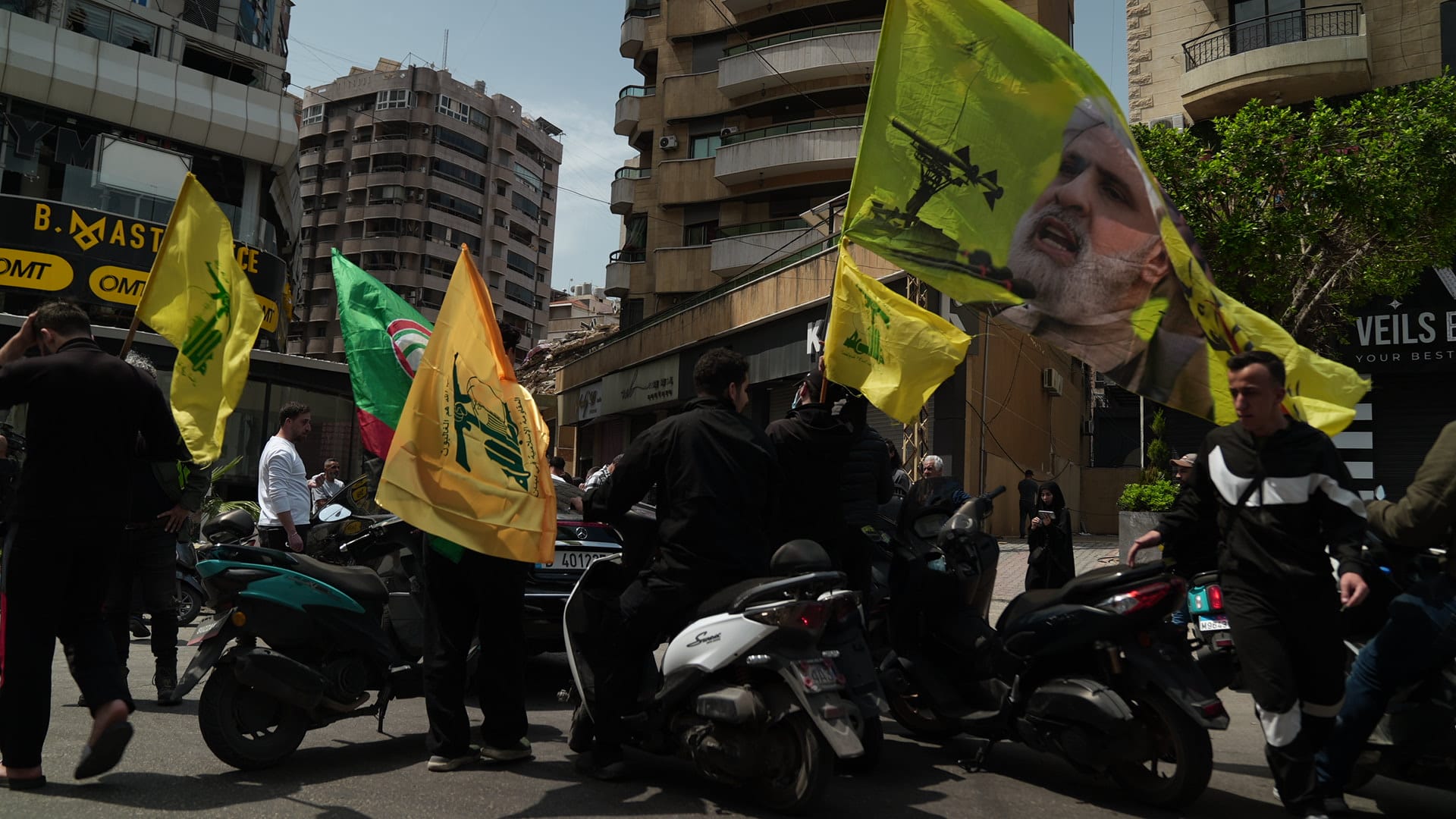
In Beirut's southern suburbs, the prevailing narrative is one of a victorious Hezbollah. (Credit: Lucile Wassermann/L'Orient Today)
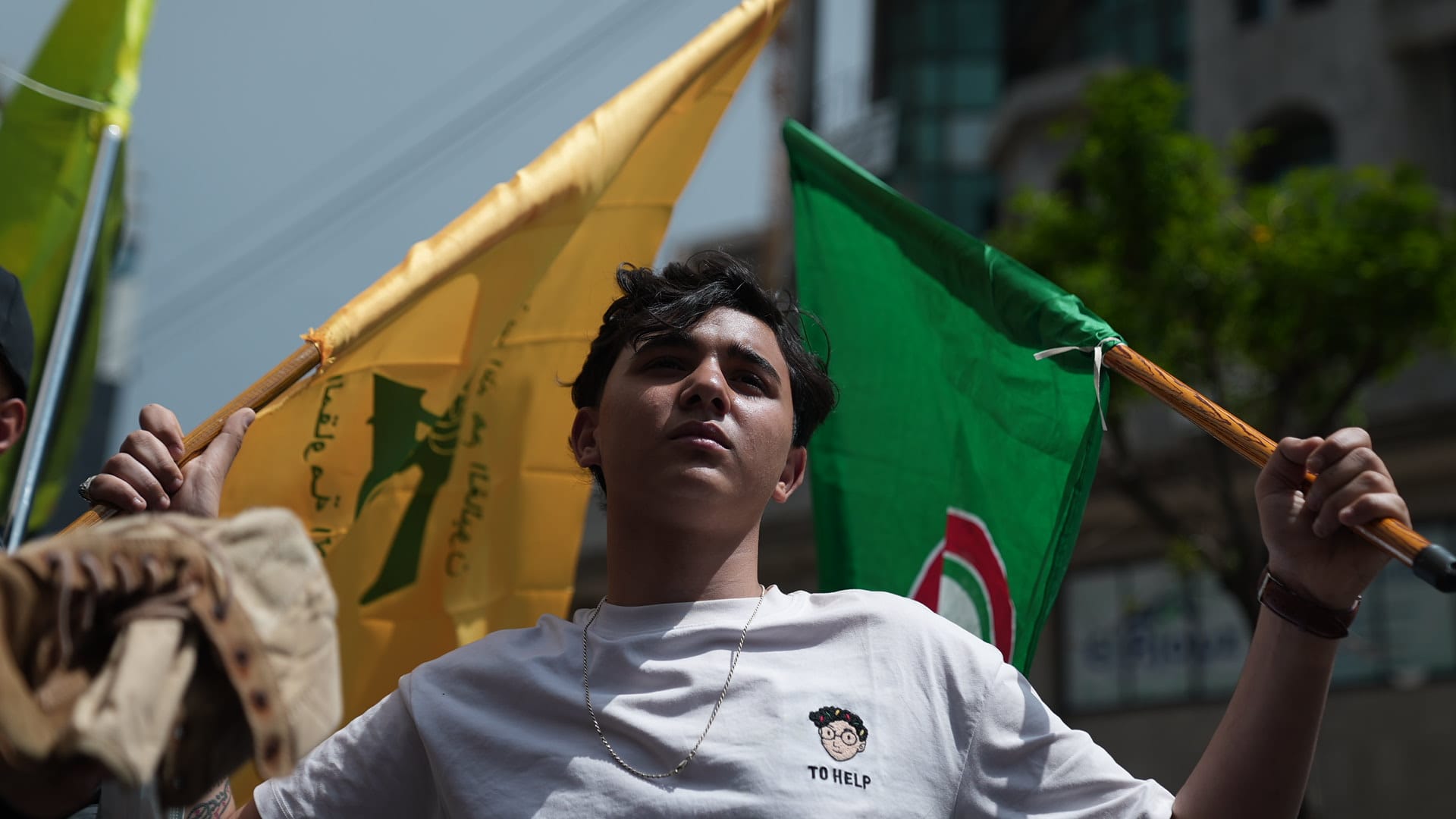
Many attribute this cease-fire to Iran's efforts "in the face of the enemy." (Credit: Lucile Wassermann/L'Orient Today)
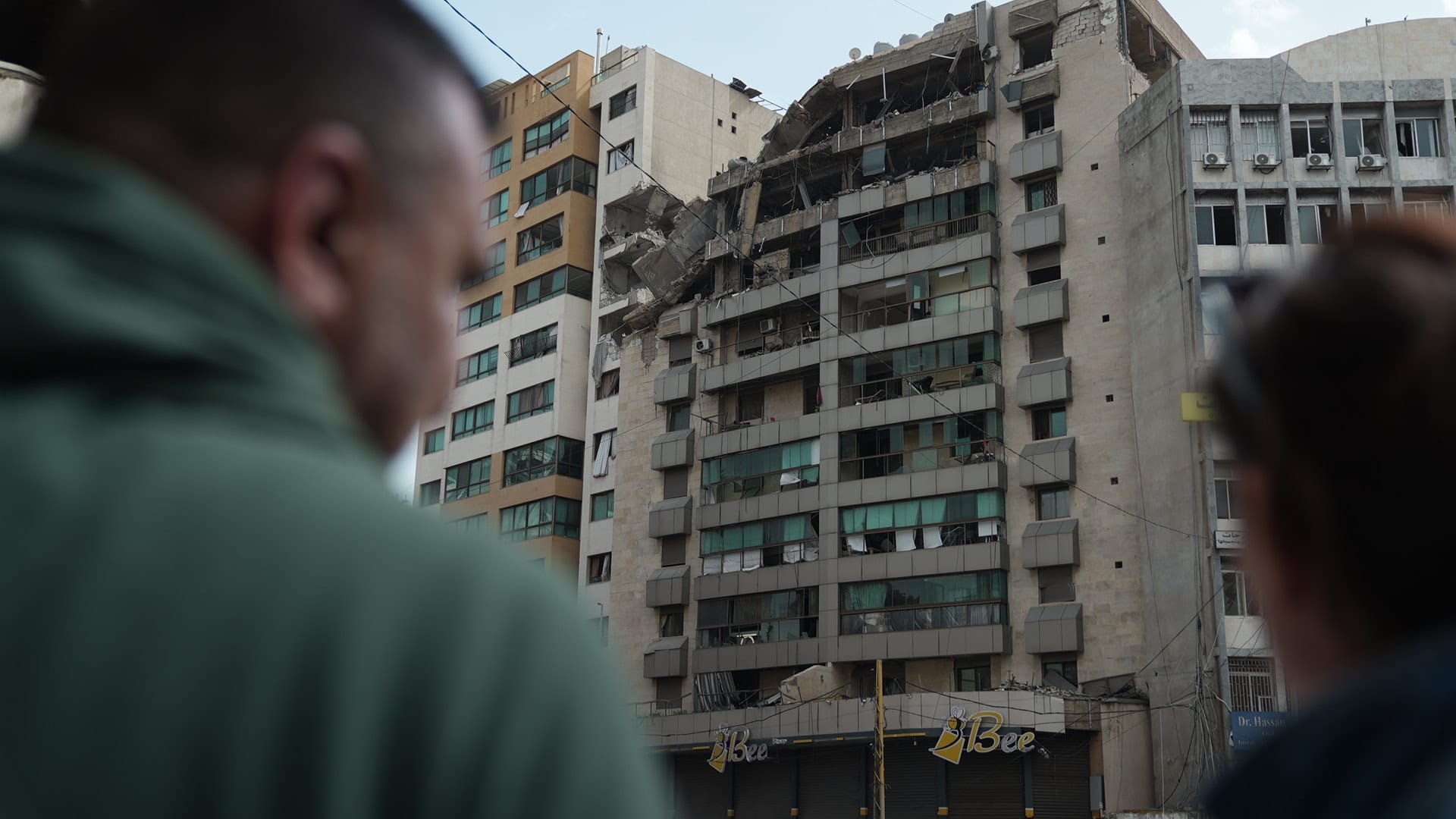
According to the latest Health Ministry figures released on April 16, Israeli strikes have killed nearly 2,200 people in Lebanon since March 2, and injured 7,185.