




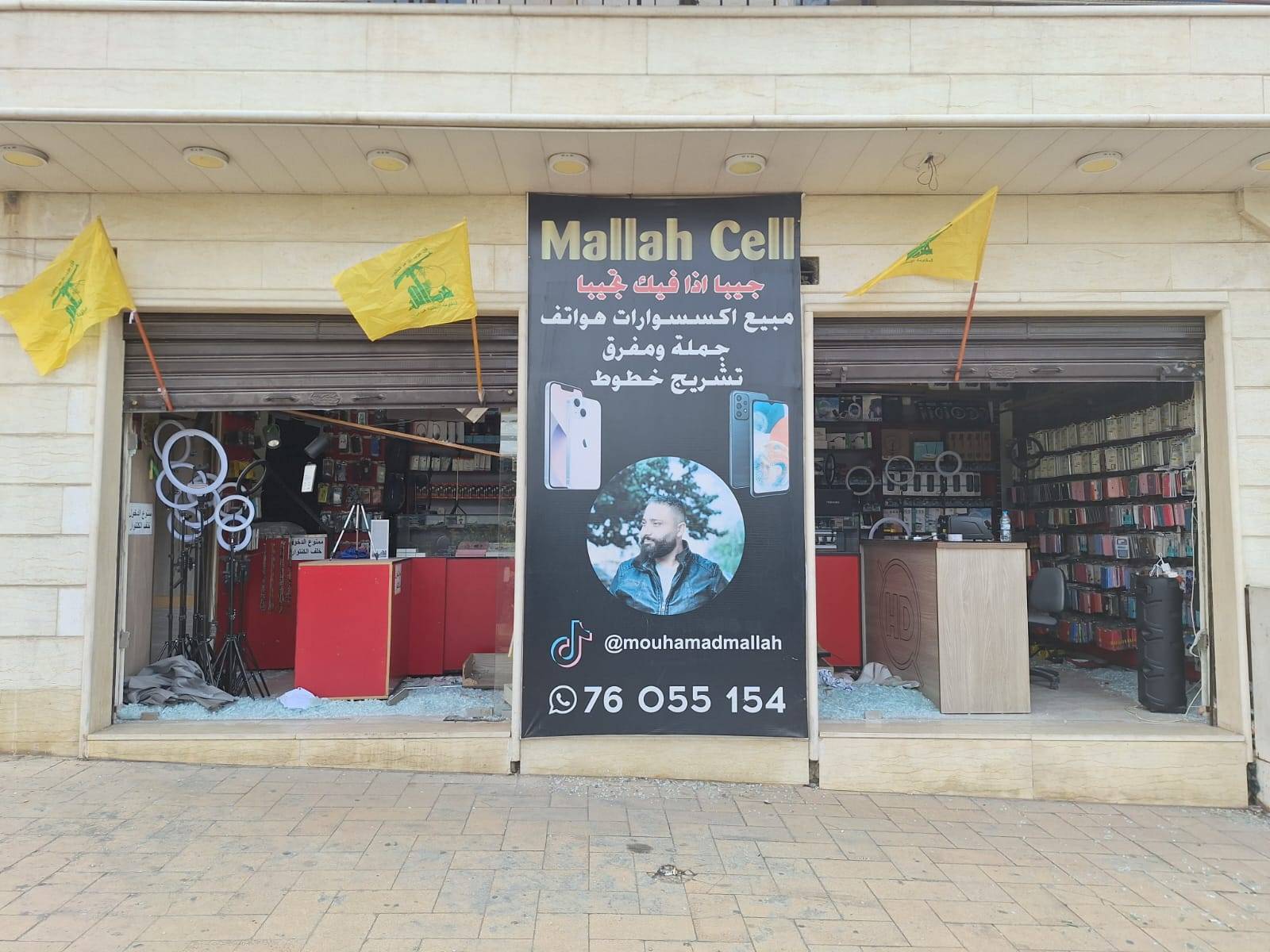
At the entrance to Baalbeck, Hezbollah is celebrated on the first day of the cease-fire between Lebanon and Israel. “They wanted to wipe us out, but we're patient and resilient,” says one resident. (Credit: Lucile Wassermann)
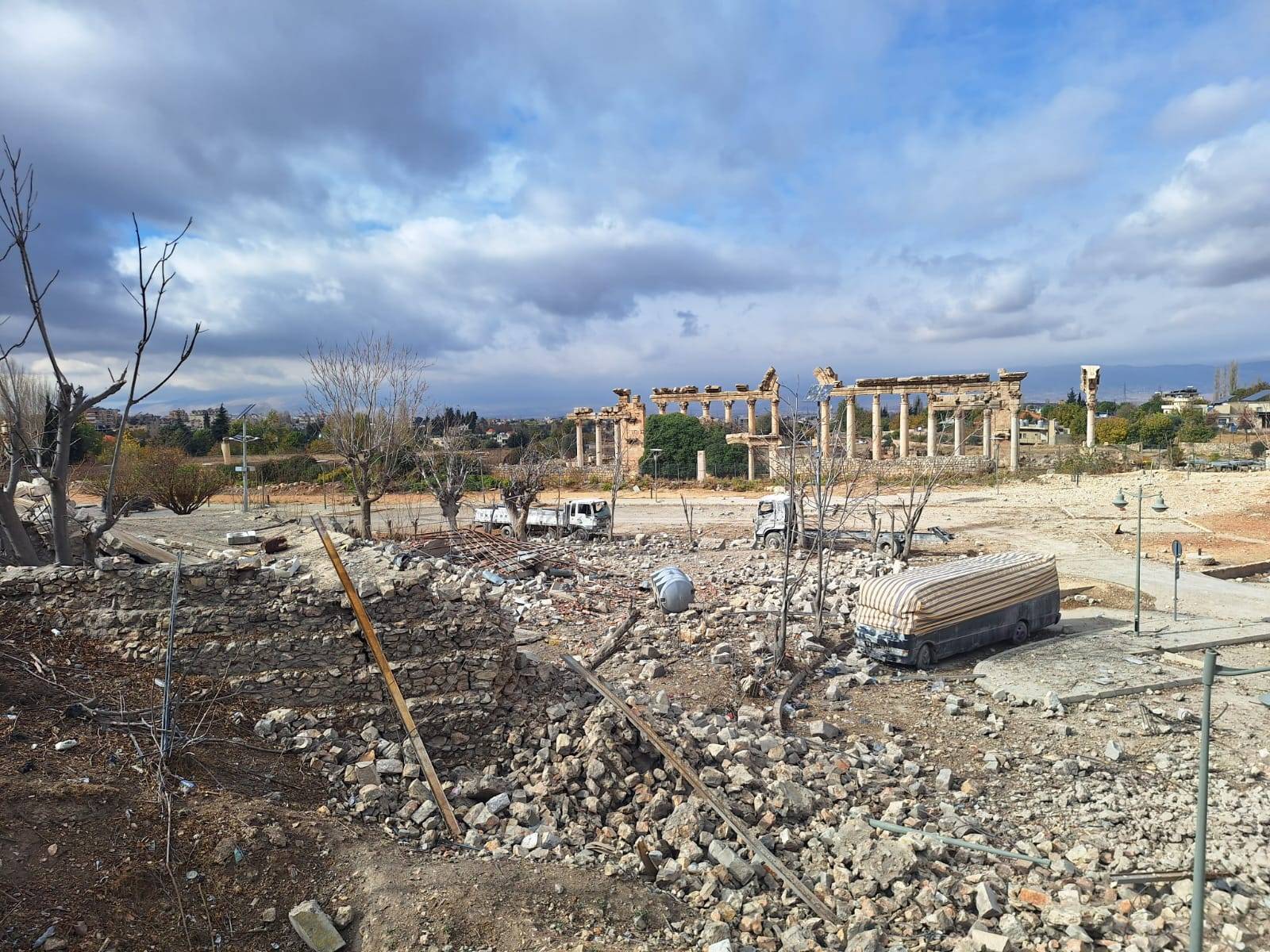
Damage was visible not far from the famous Baalbeck temples. (Credit: Lucile Wassermann)
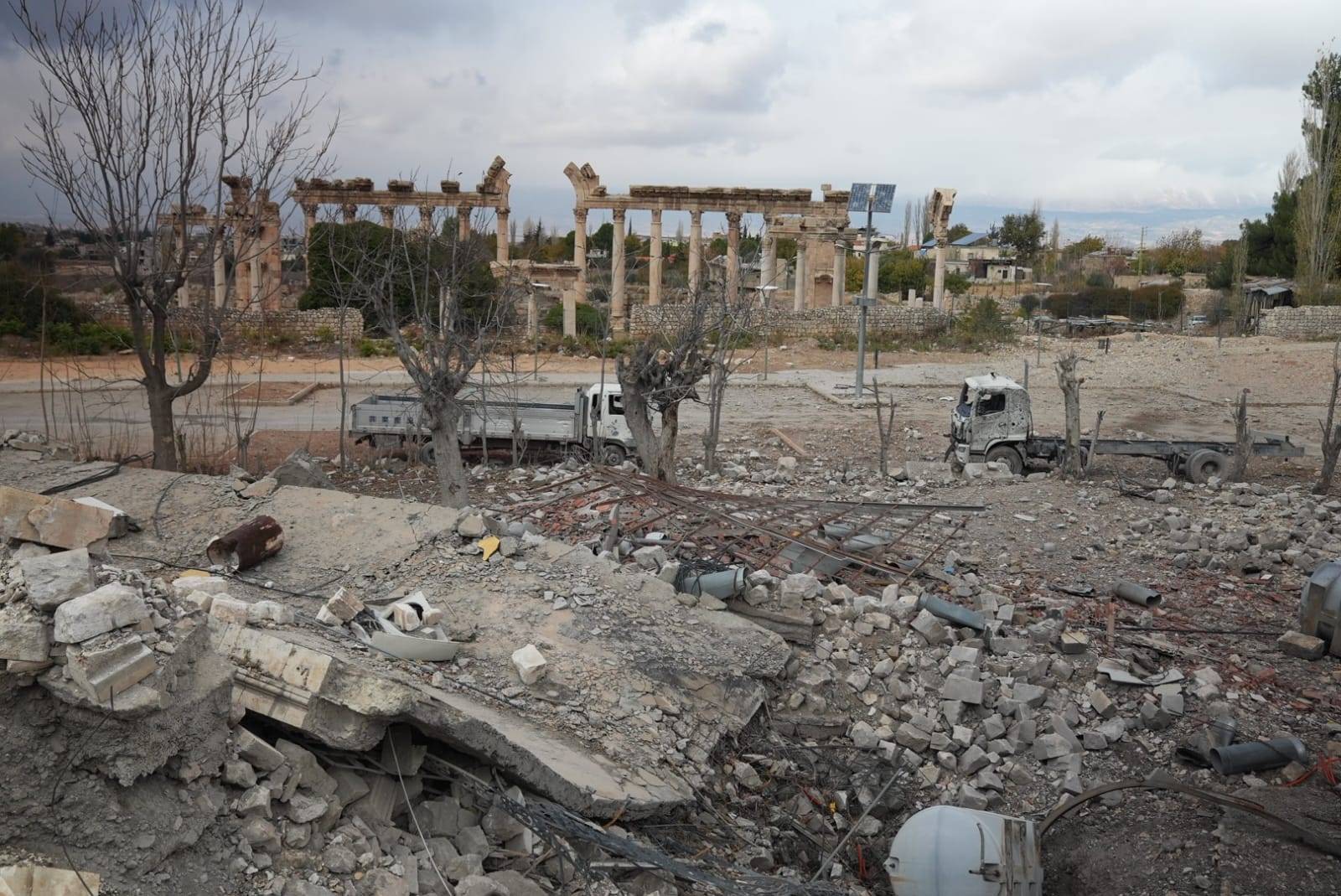
On Nov. 18, in response to the threat posed by the Israeli bombardments, UNESCO announced that it was placing 34 threatened cultural sites in Lebanon under “provisional reinforced protection” and granting emergency financial assistance to save the country's heritage. (Credit: Lucile Wassermann)
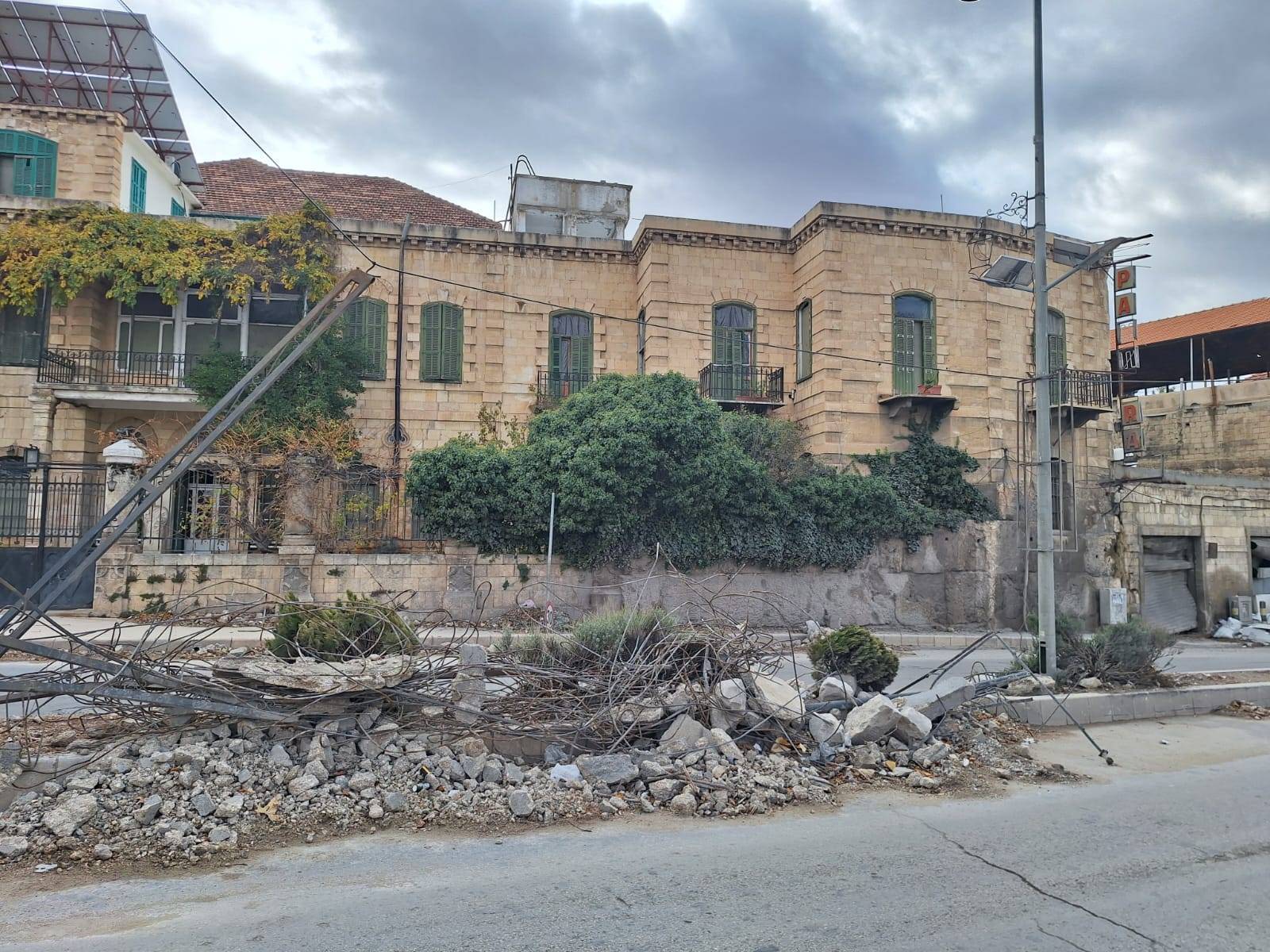
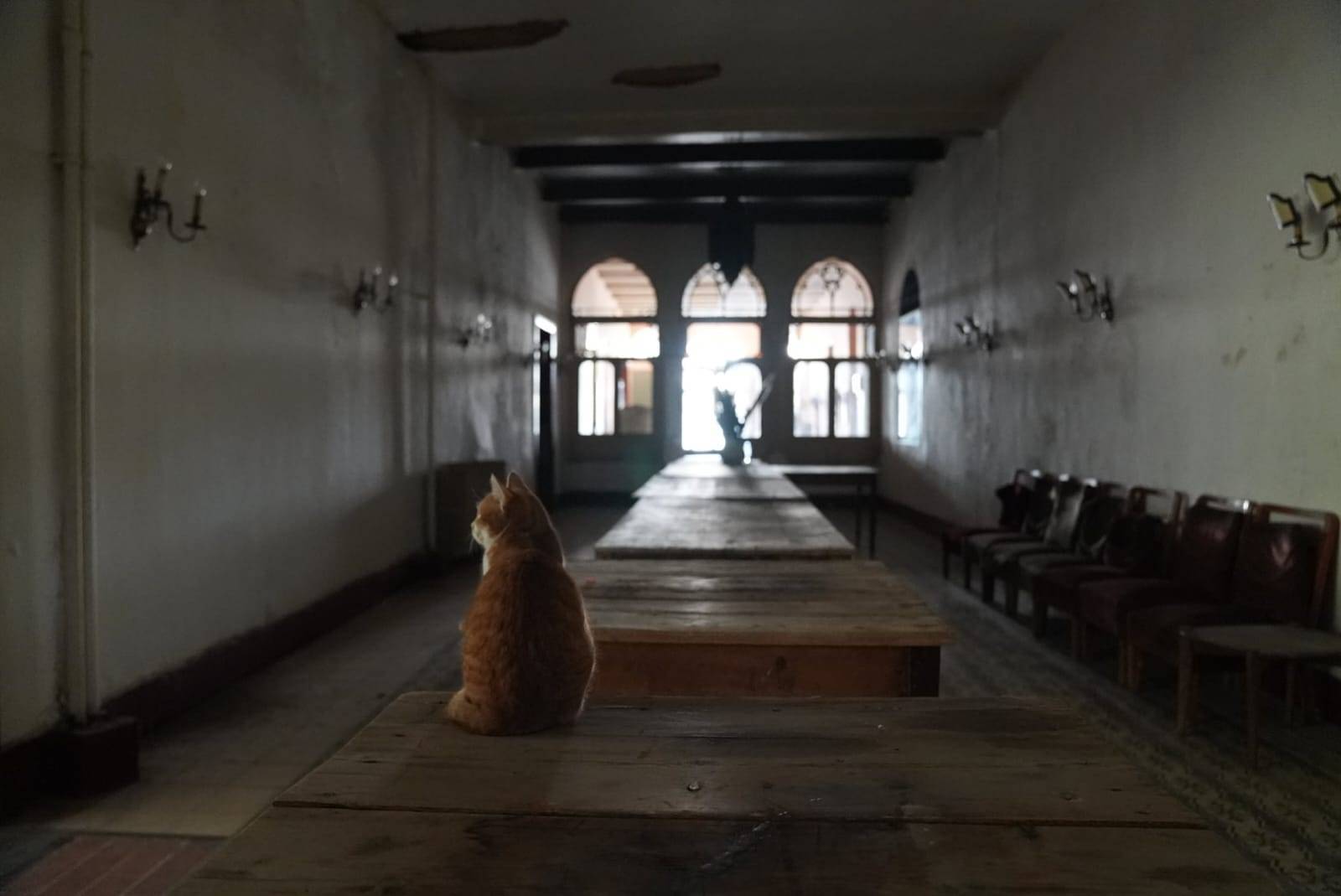
The Palmyra Hotel. In early November, nearby Israeli strikes damaged this famous Baalbeck hotel. (Credit: Lucile Wassermann)
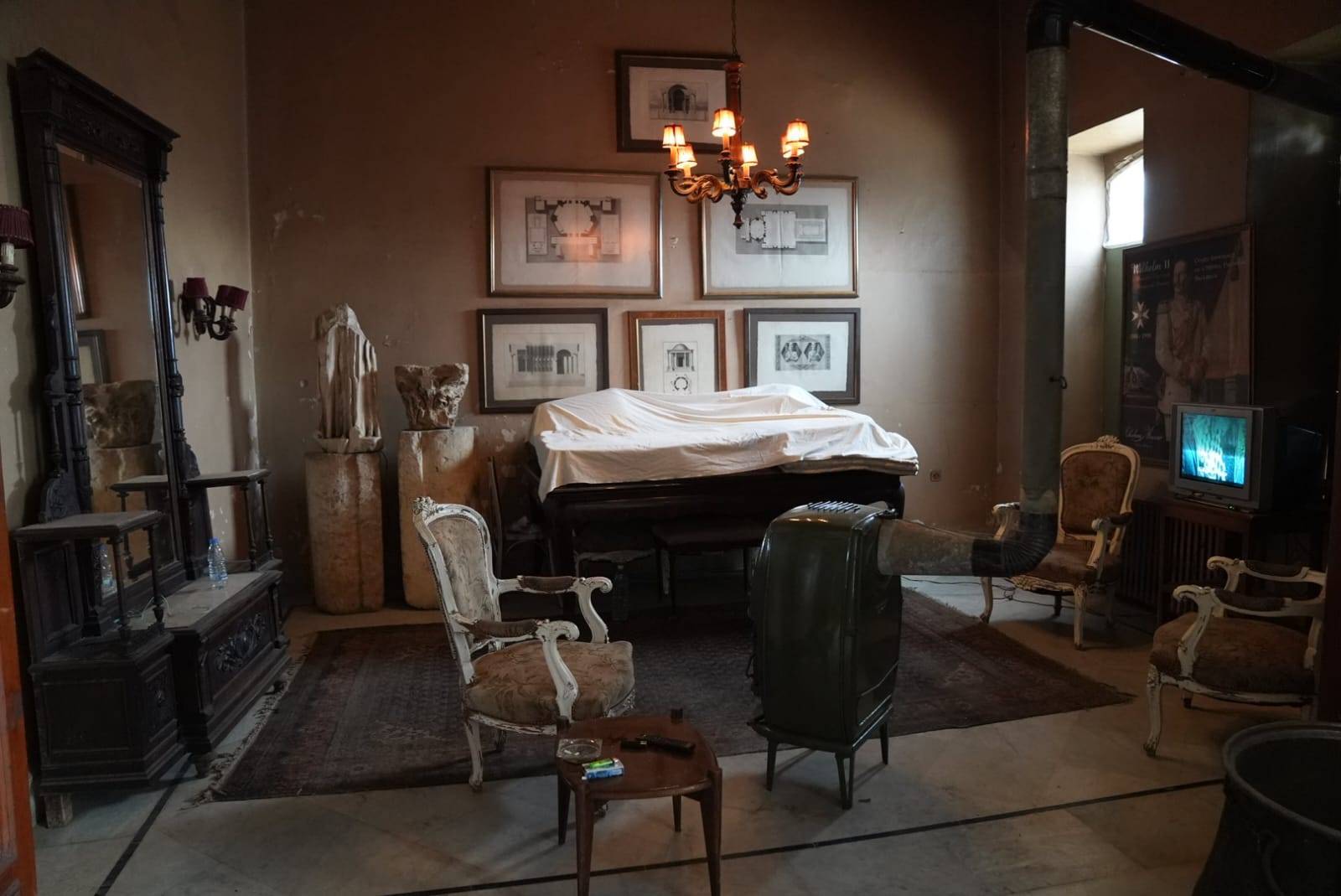
“We cleaned everything up and put it back. This hotel has to stay open. It's the oldest in the Middle East. Fairouz slept here!” says Zouheir, the concierge. (Credit: Lucile Wassermann)
(Credit: Lucile Wassermann)
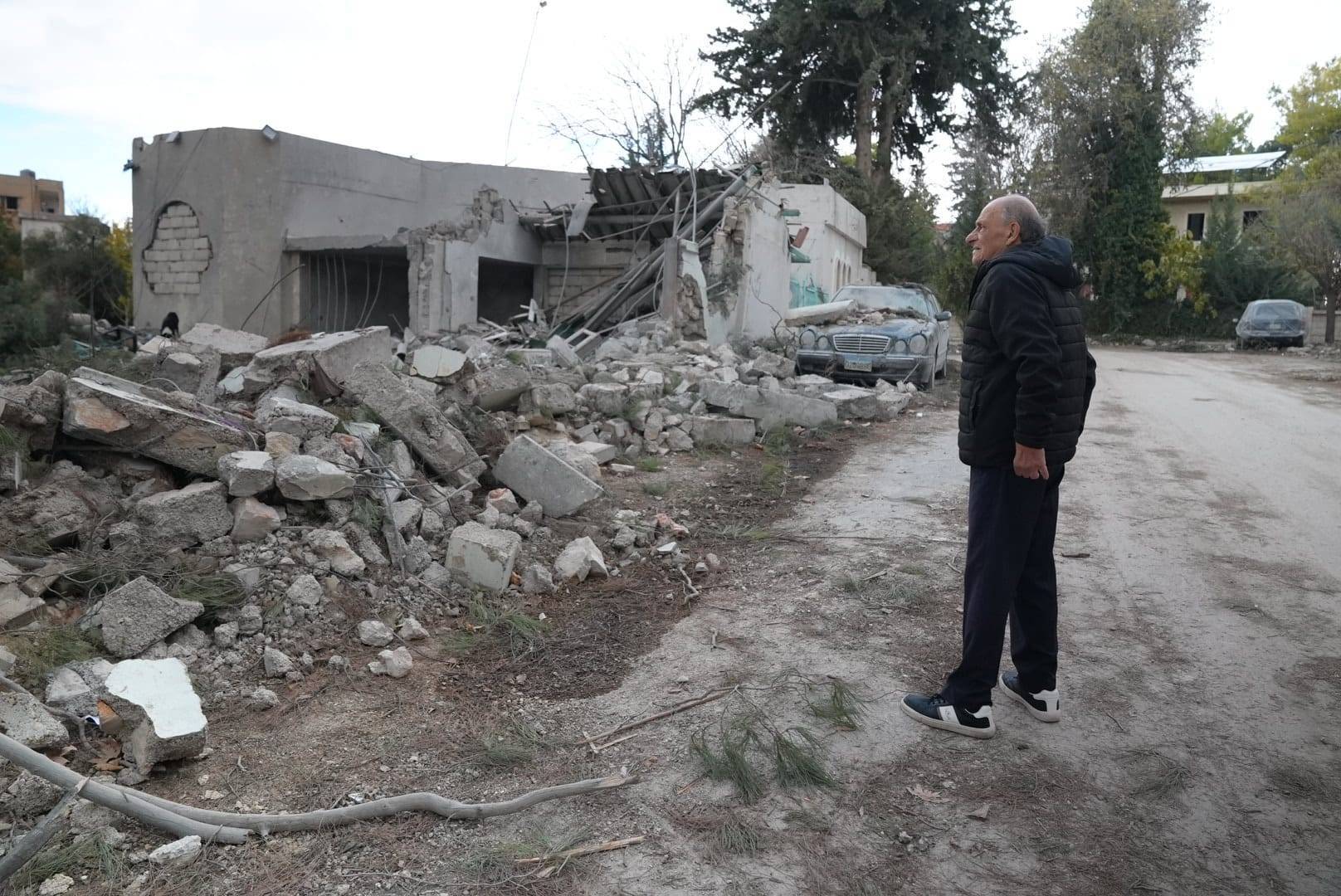
Melhem Haidar, a lawyer in his 70s, has just returned to Baalbeck. He rediscovers his nephew's house, destroyed. He hesitates to approach, for fear of crying too much. (Credit: Lucile Wassermann)
(Credit: Lucile Wassermann)
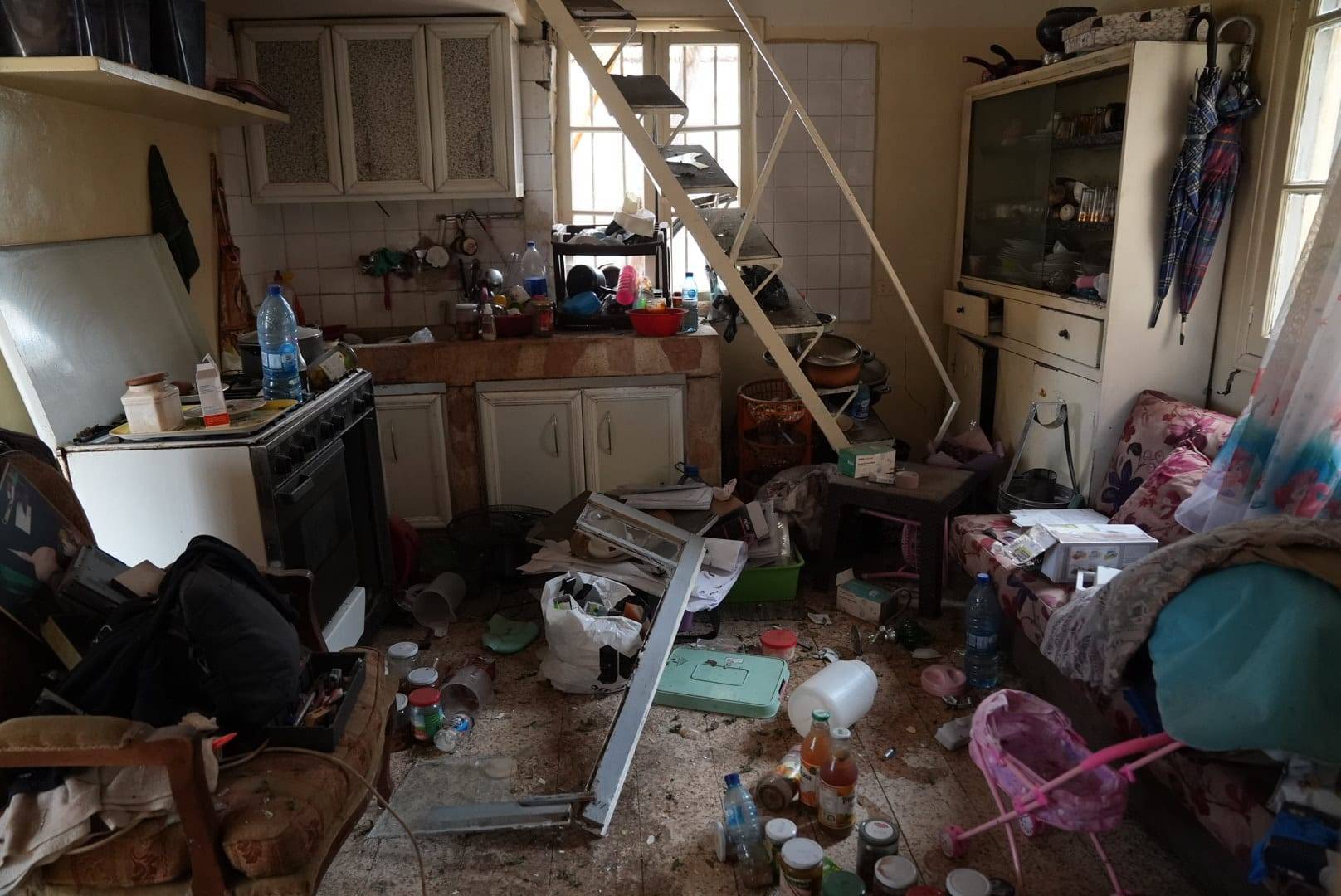
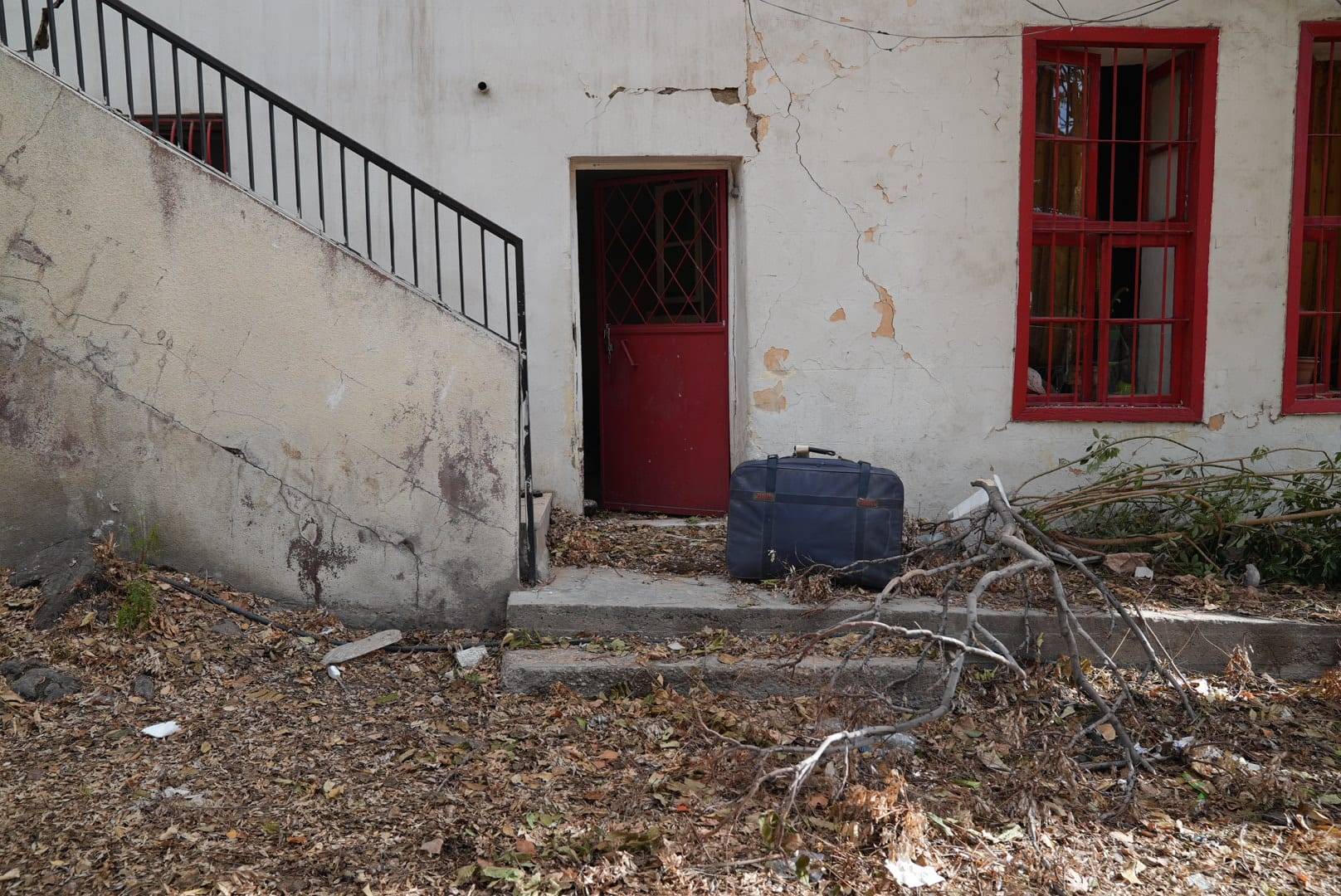
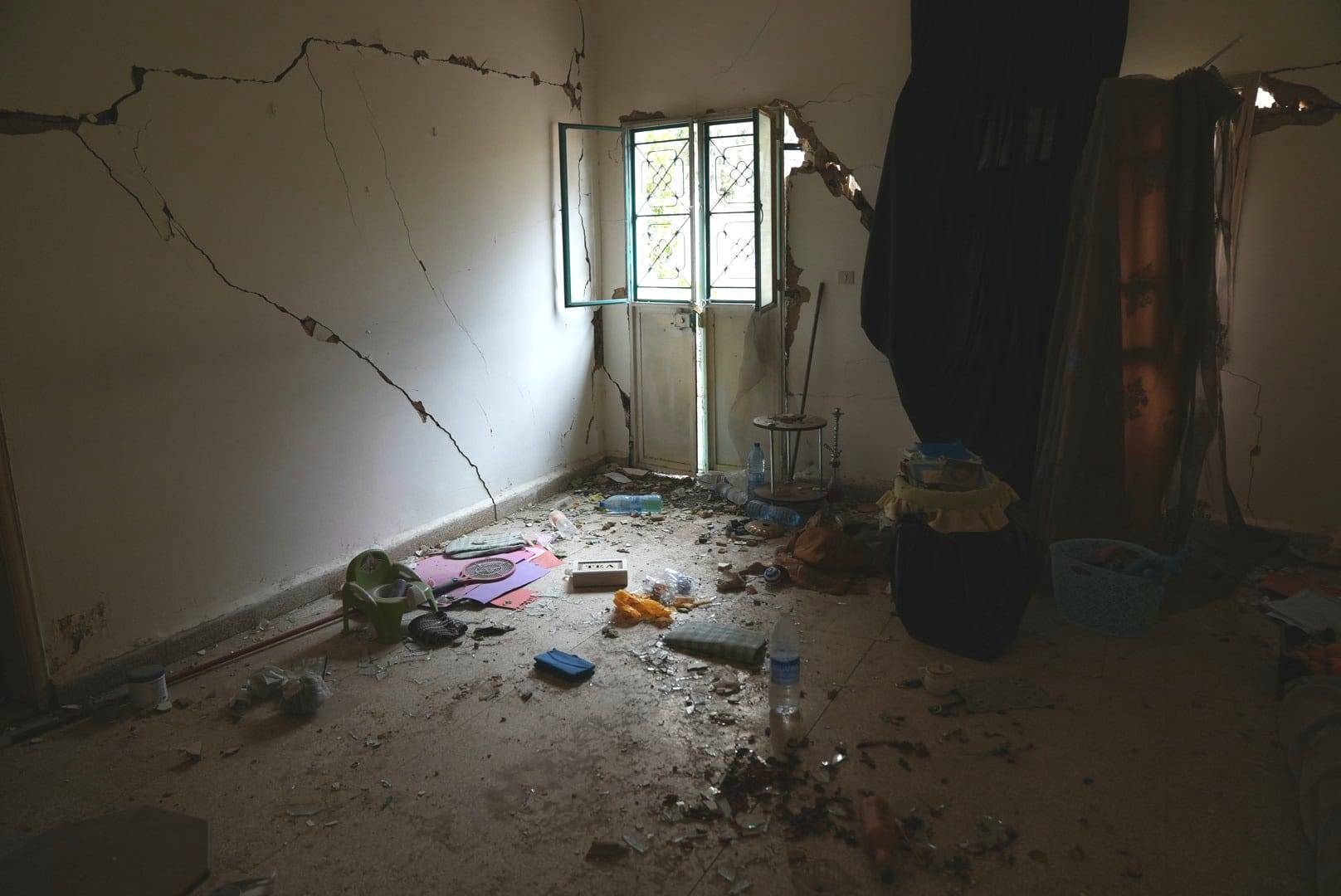
On this first day of the cease-fire, some people are discovering the extent of the damage to their homes. (Credit: Lucile Wassermann)
(Credit: Lucile Wassermann)
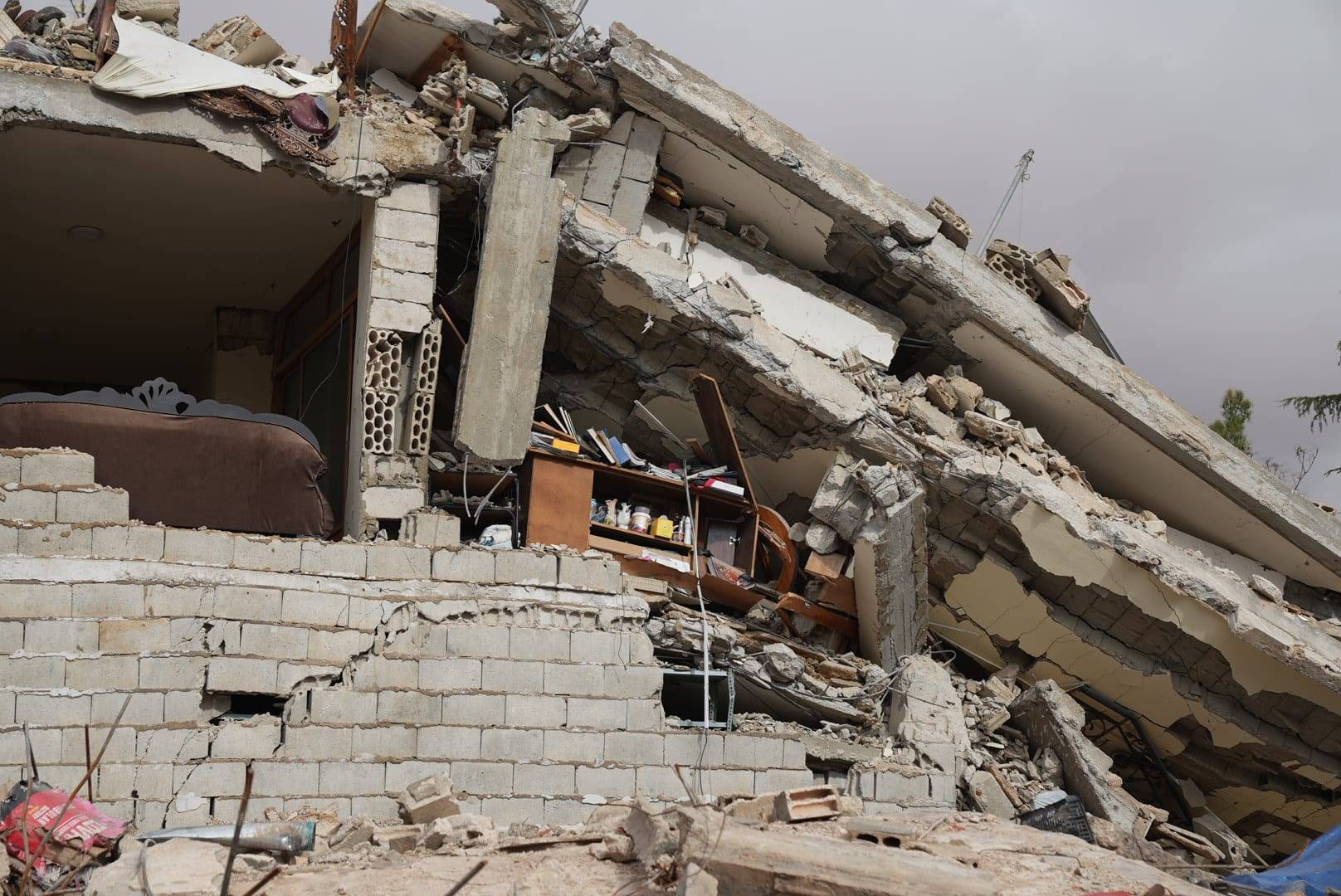
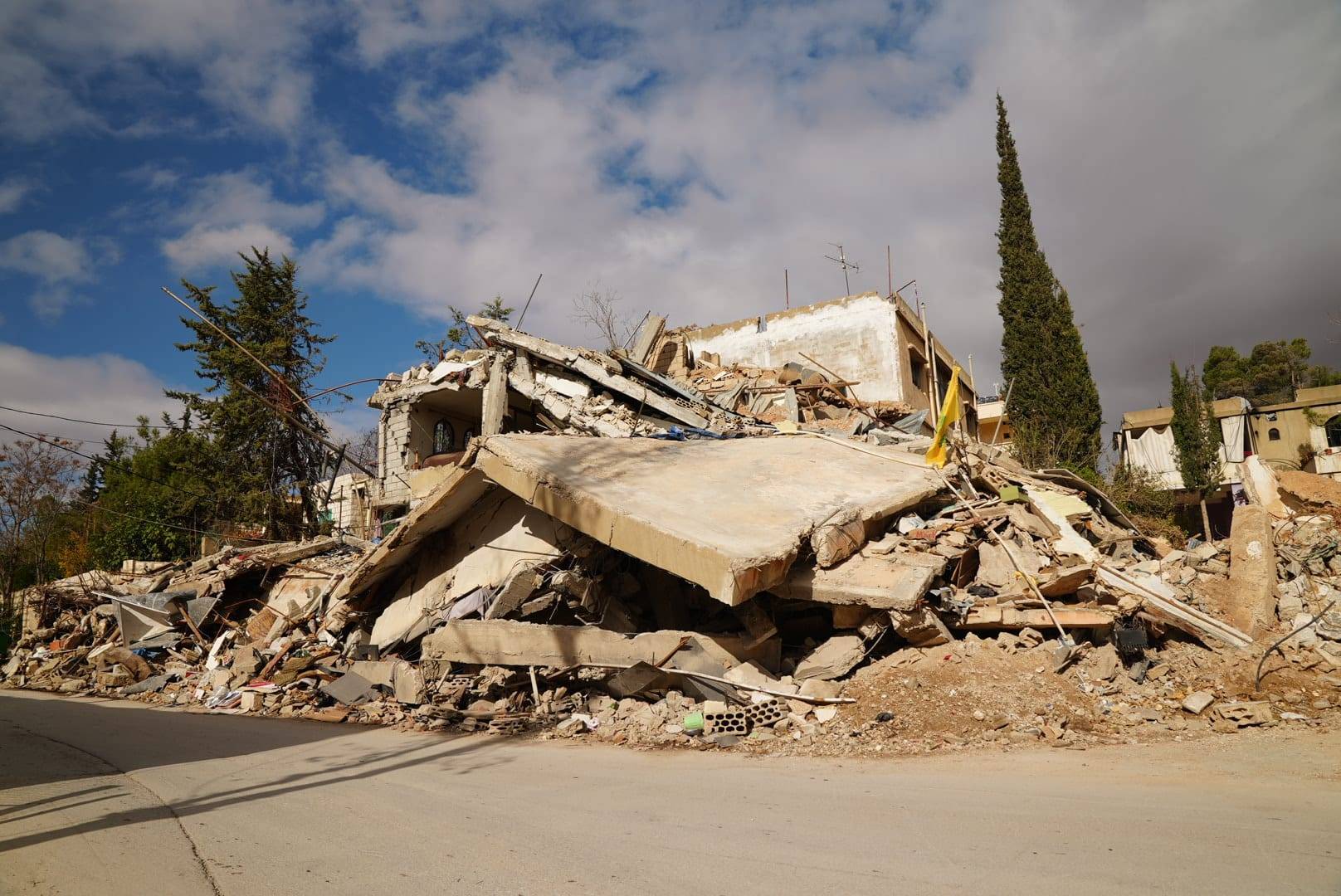
In the town of Baalbeck, many buildings were destroyed or damaged. (Credit: Lucile Wassermann)
(Credit: Lucile Wassermann)