

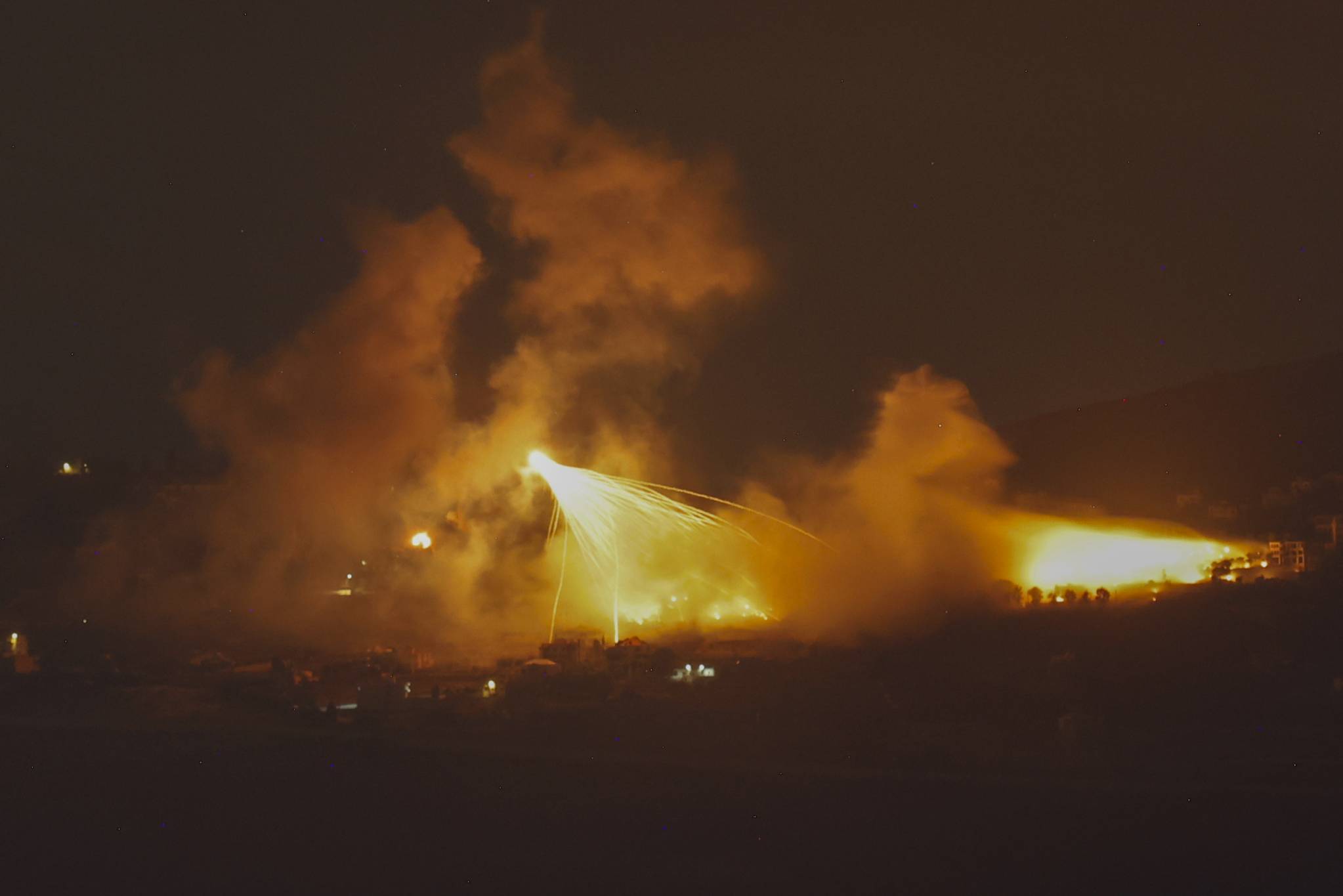
In the early hours of Tuesday morning, the Israeli army carried out incursions into Lebanese territory. (Credit: Jalaa Marey/AFP)
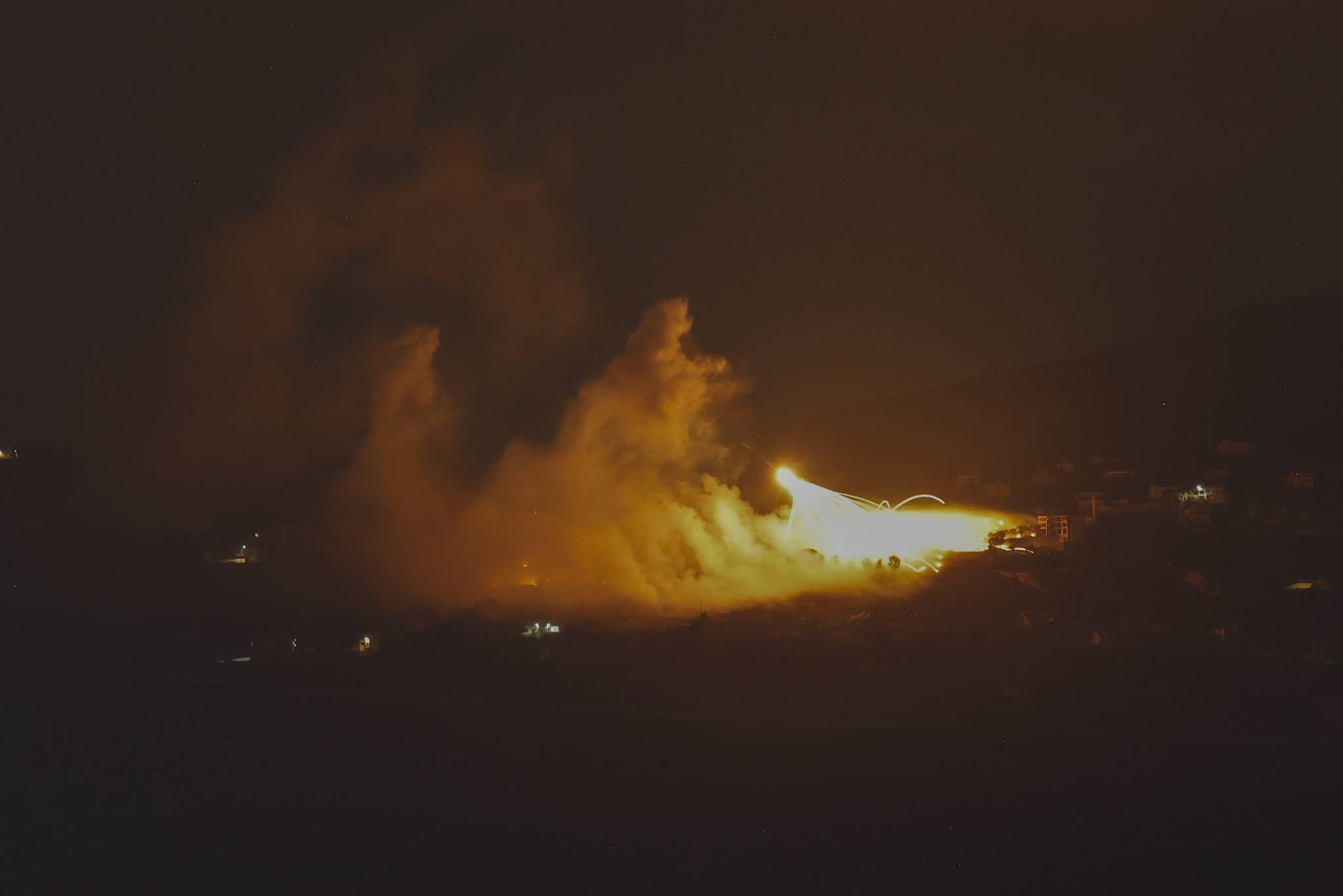
Before entering Lebanese territory, the Israeli air force conducted a series of airstrikes targeting several villages across the entire south Lebanon region. (Credit: Jalaa Marey/AFP)
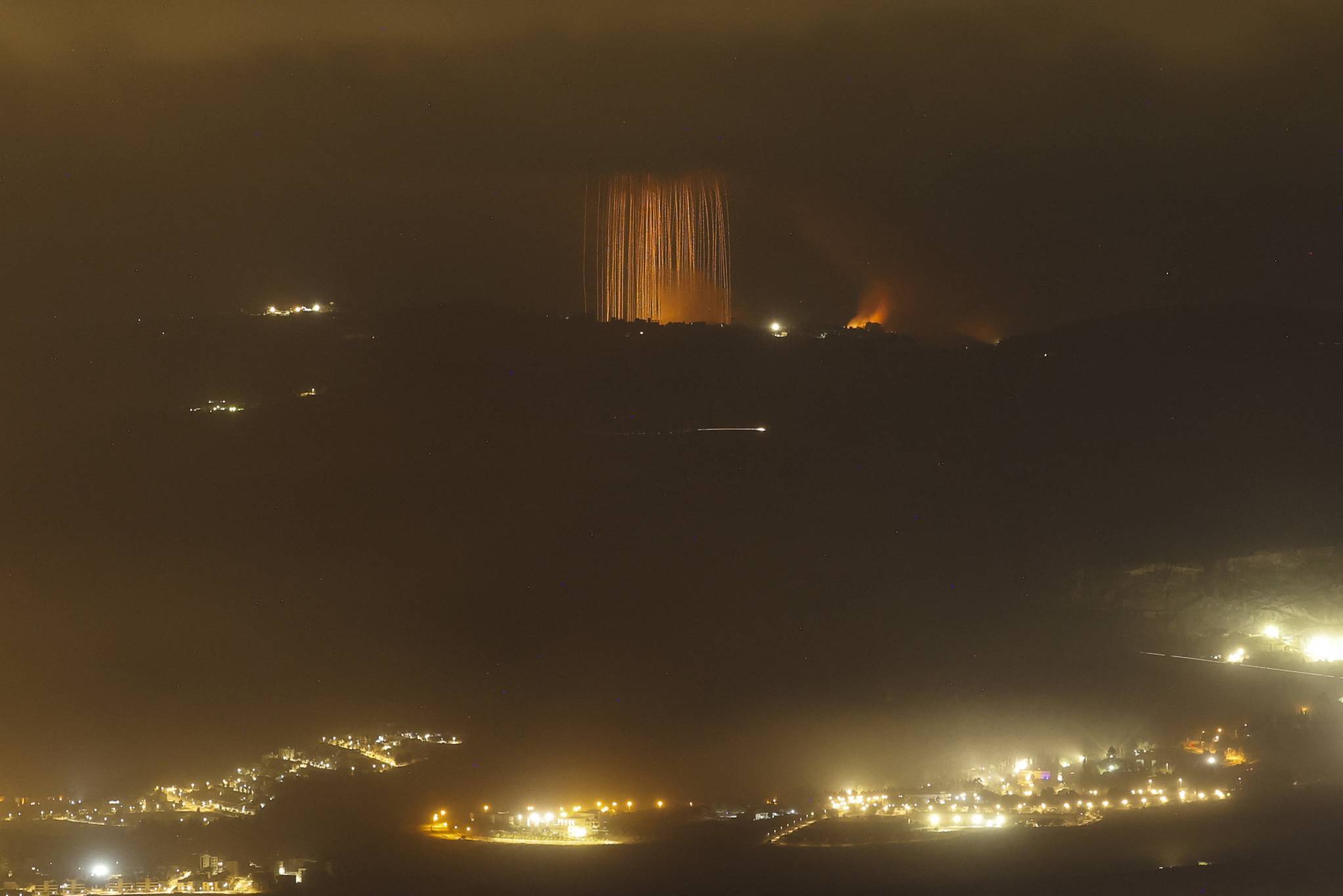
Israeli officials told Axios that this incursion, which began around 2 a.m., would be "targeted and limited in time and scope, and is not intended to occupy southern Lebanon." (Credit: Jalaa Marey/AFP)
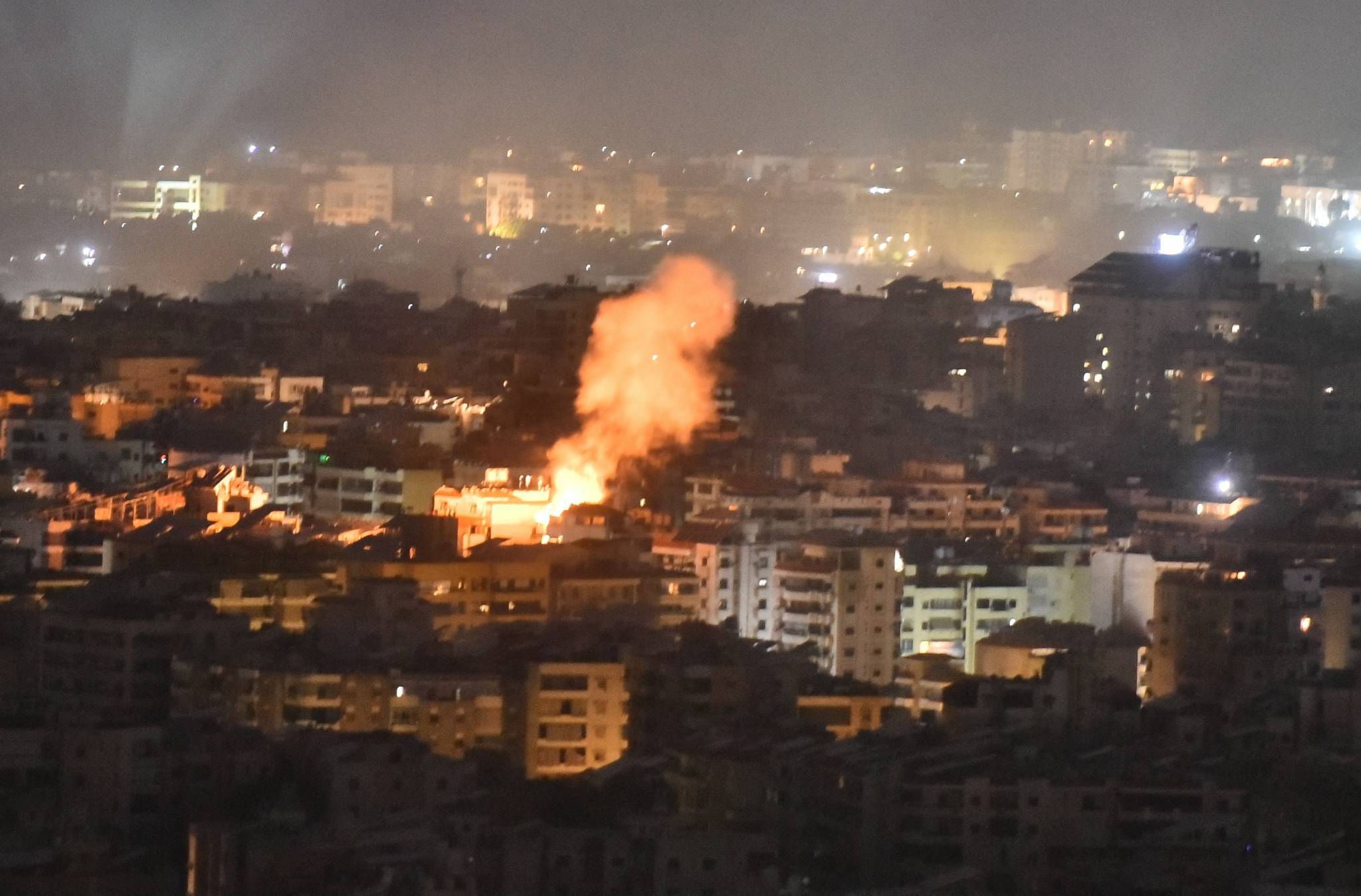
A little over two hours before this incursion, the Israeli military carried out eight new strikes on the southern suburbs of Beirut. (Credit: Fadel Itani/AFP)
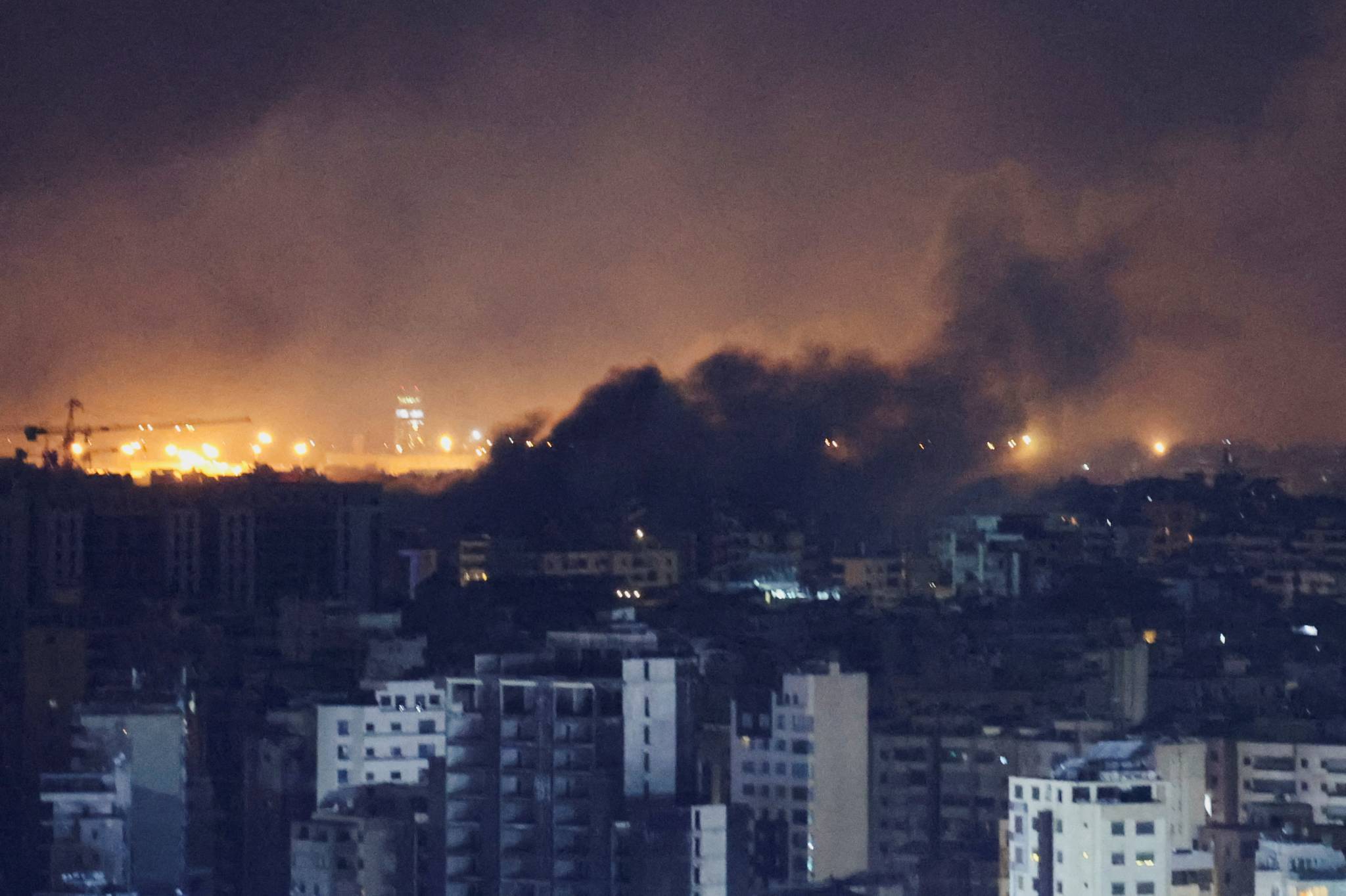
The toll from these bombings, some of which were heard in Beirut and the surrounding region, was not known early Tuesday morning. (Credit: Amr Abdallah Dalsh/Reuters)
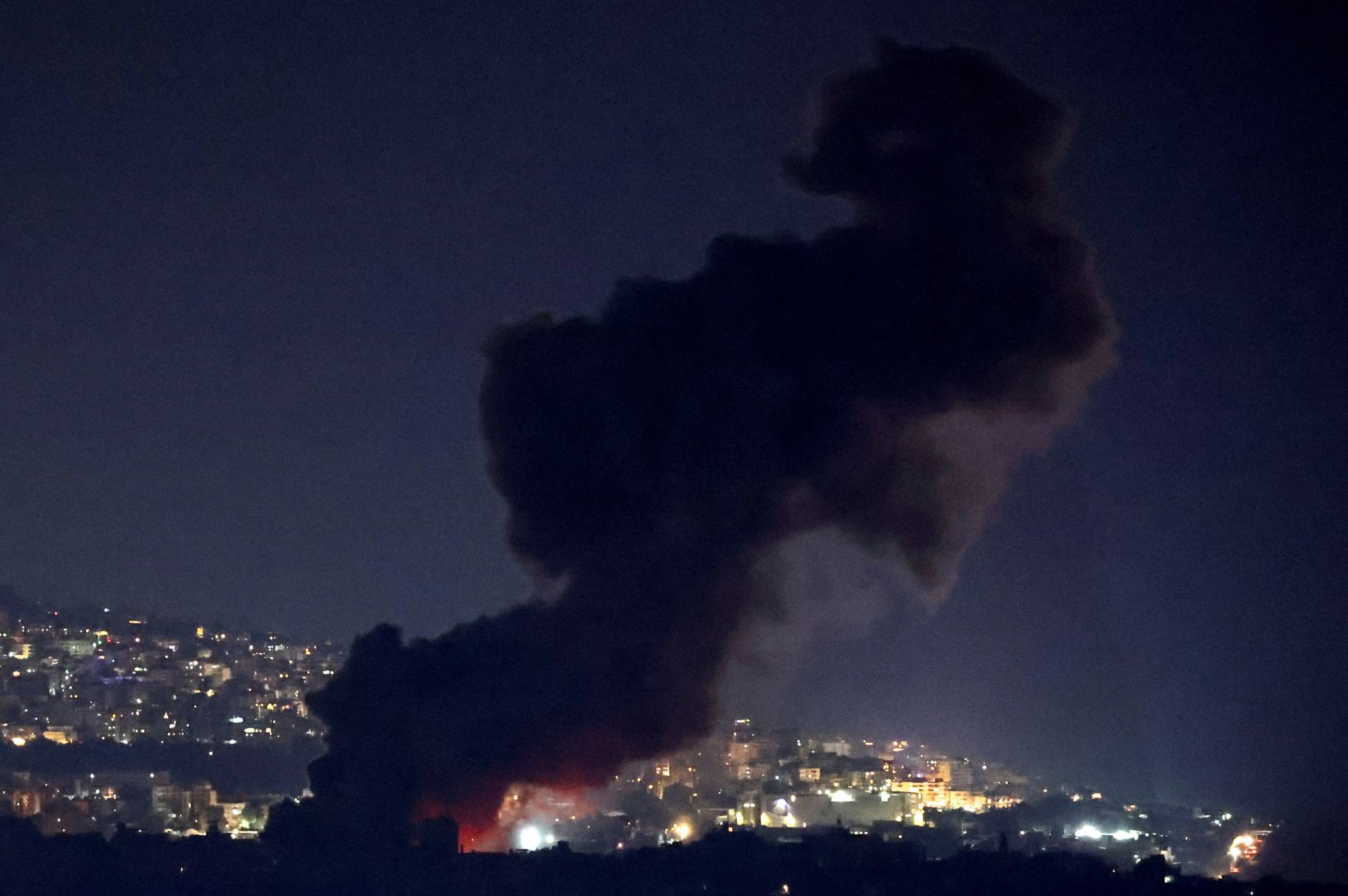
In response to the escalation of violence, many countries announced measures to allow their nationals who wish to leave Lebanon. (Credit: Amr Abdallah Dalsh/Reuters)
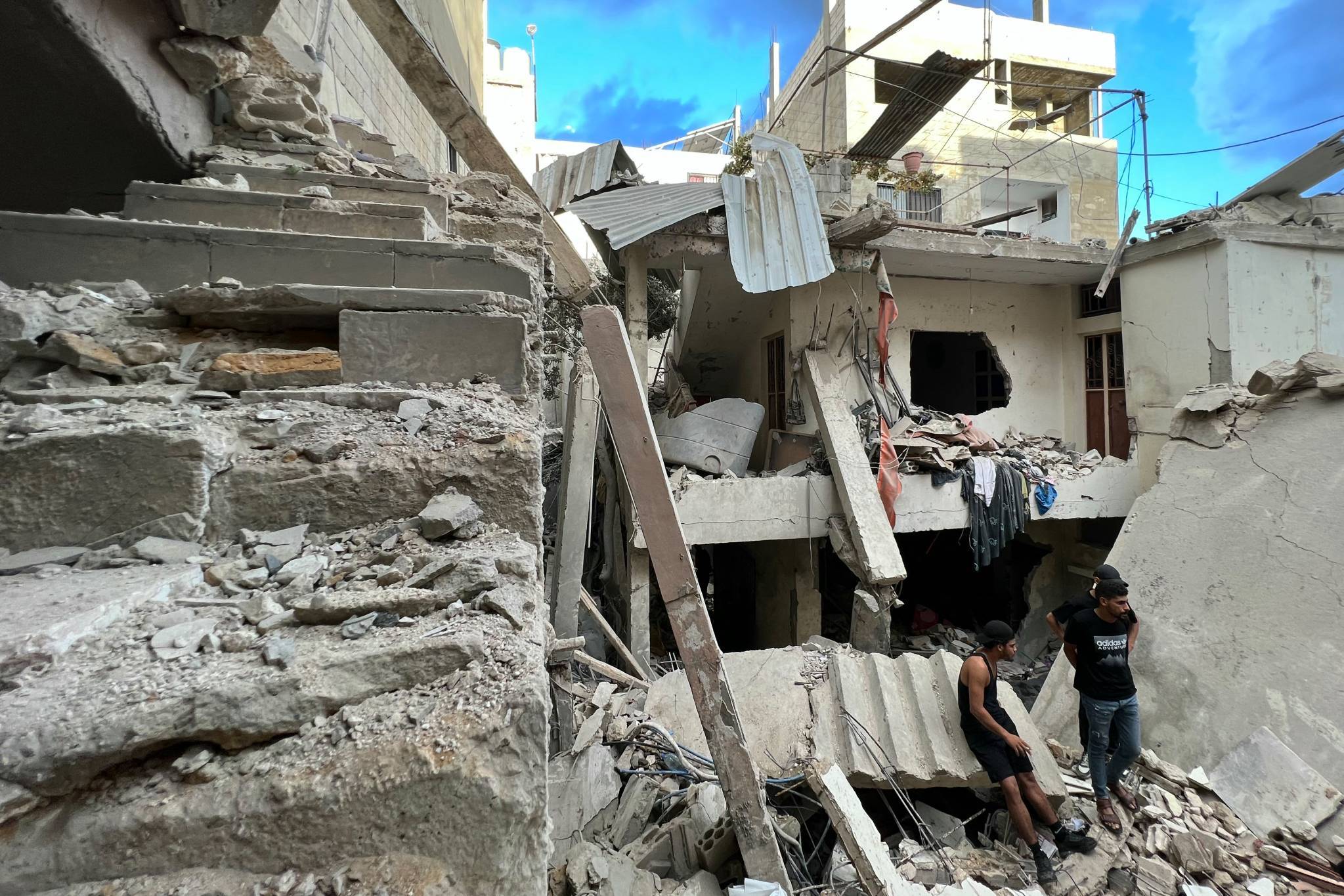
During the night, the Israeli air force also carried out an unprecedented strike on the Palestinian refugee camp of Ain al-Hilweh, on the outskirts of Saida, targeting the leader of the Al-Aqsa Martyrs' Brigades, the armed wing of Fatah, Mounir Maqdah, who reportedly escaped this assassination attempt. (Credit: Mahmoud Zayyat/AFP)
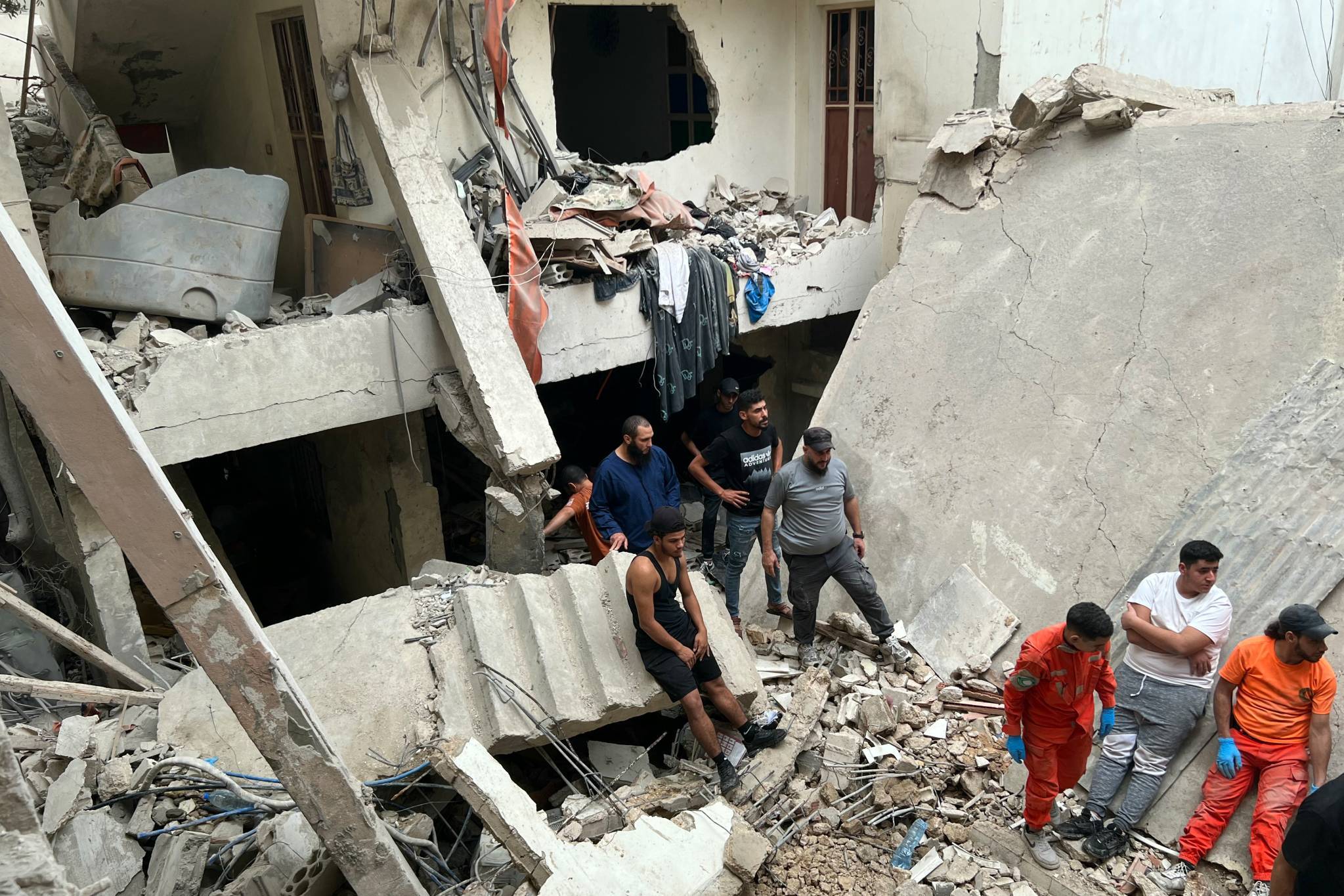
According to an initial assessment, this strike resulted in at least six deaths, includingMaqdah, three children, and several injuries. (Credit: Mahmoud Zayyat/AFP)
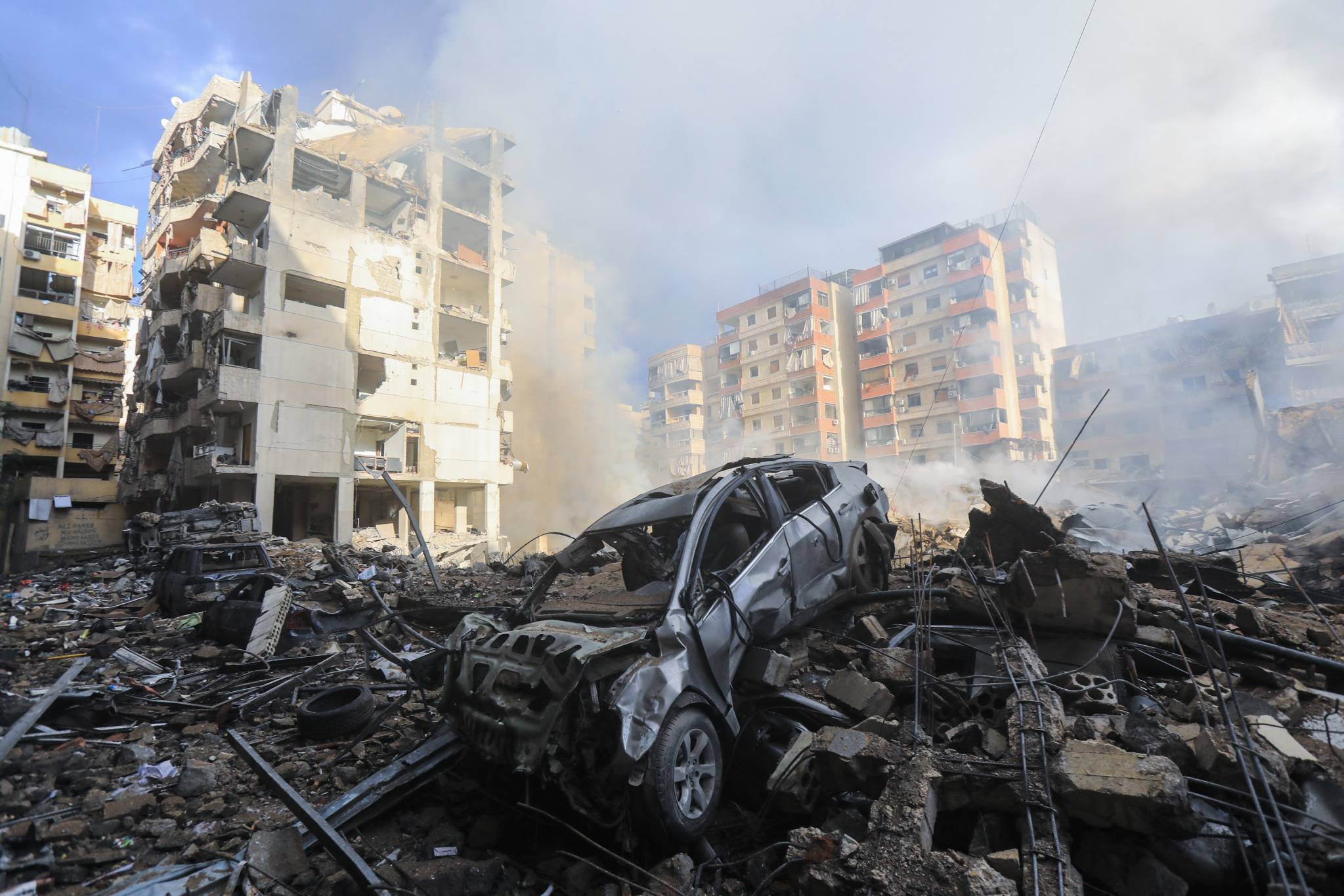
On Monday morning, residents discovered the ruins of buildings struck by the Israeli army overnight, as seen here in the Laylaki neighborhood of southern Beirut. (Credit: Anwar Amro/AFP)
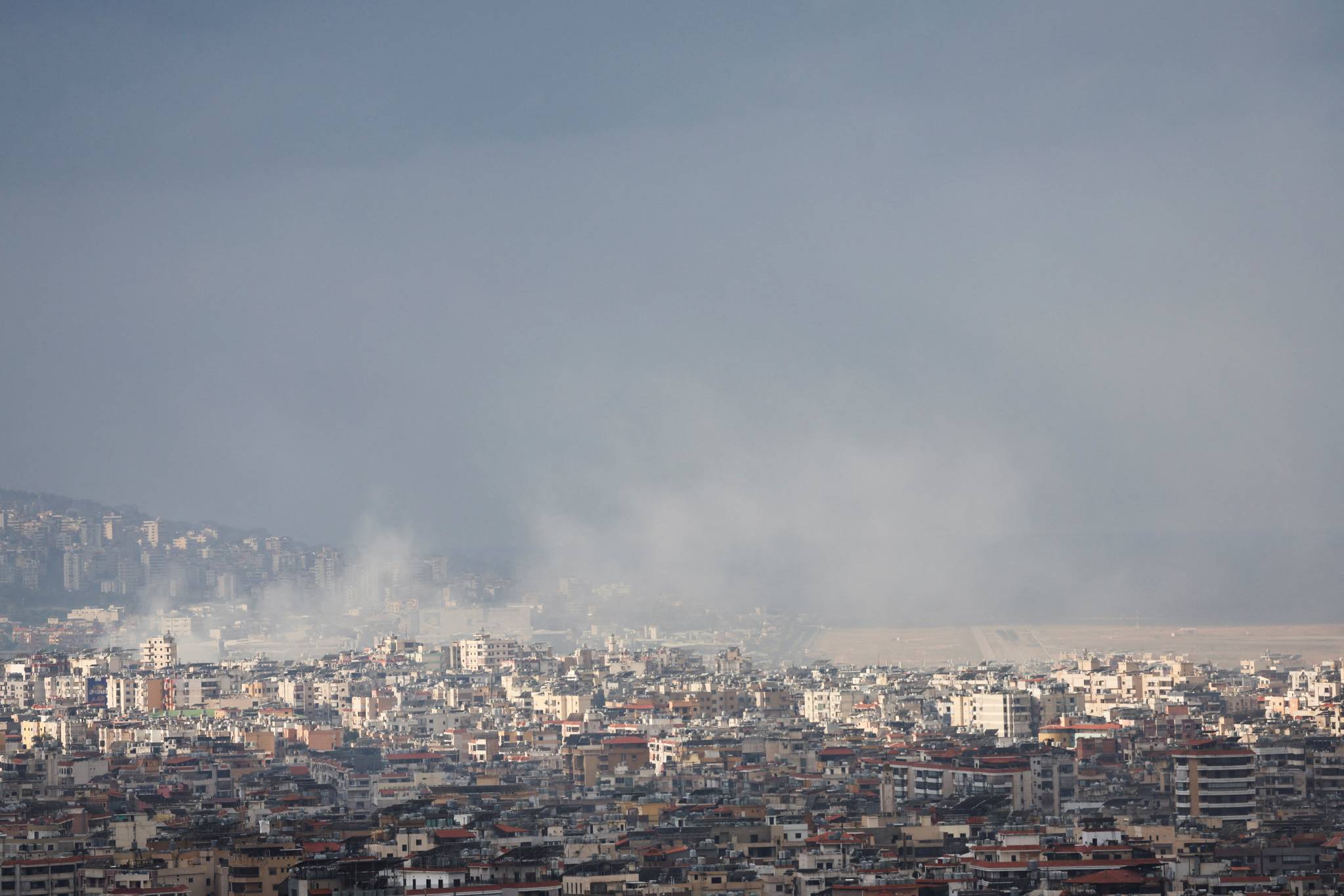
As smoke continued to rise above the southern suburbs of Beirut, not far from Beirut International Airport. (Credit: Amr Abdallah Dalsh/Reuters)